Defining the based treasury approach
Treasury management is the strategic oversight of an organization's financial assets, liabilities, and liquidity to achieve specific operational goals [src-1]. In the context of Web3 protocols, a "based" treasury rejects the gamble of speculative yield in favor of sovereignty and stability. This approach treats digital assets not as lottery tickets, but as the bedrock of protocol longevity.
The core philosophy rests on three pillars: liquidity, stability, and sovereignty. Liquidity ensures the protocol can meet immediate obligations without fire-selling. Stability protects the treasury from the volatility inherent in crypto markets. Sovereignty guarantees that the assets remain under the control of the protocol’s governance, free from external counterparty risk.
This strategy shifts the focus from maximizing short-term returns to securing long-term operational capacity. By anchoring the treasury in stable, liquid assets, protocols can fund development and community incentives regardless of market sentiment. It is a discipline that values survival over speculation, ensuring the protocol remains functional when others fail.
The Technical Stack for Secure Treasury Management
Building a treasury that prioritizes sovereignty and stability requires a shift from simple wallet addresses to a structured technical infrastructure. In the "based" strategy, the goal is to minimize single points of failure while maintaining clear governance over asset movement. This means moving beyond basic hot wallets and implementing a layered defense system that combines strict access controls with cold storage solutions.
At the core of this infrastructure is a multi-signature (multi-sig) framework. Instead of relying on a single private key, multi-sig requires multiple independent parties to approve transactions. This structure ensures that no single individual can unilaterally move funds, significantly reducing the risk of internal theft or external compromise. For daily operations, you might use a 2-of-3 setup, where two out of three designated guardians must sign off on any transfer. This balances security with operational efficiency, allowing for quick responses to market opportunities without sacrificing safety.
Cold storage remains the bedrock of long-term treasury security. By keeping the majority of assets offline in hardware wallets or dedicated secure servers, you protect against online threats like hacking or phishing. These devices generate and store keys locally, never exposing them to the internet. When combined with multi-sig, even if one device is compromised, the attacker cannot access the funds without the other required keys. This separation of duties is essential for maintaining the integrity of a based treasury.
To visualize the volatility these treasuries aim to hedge against, consider the price action of Bitcoin, the primary asset class for many on-chain treasuries.
Governance frameworks tie this technical stack together by defining who can propose, vote on, and execute transactions. Clear policies must outline spending limits, emergency protocols, and audit schedules. Regular audits of both the code and the operational procedures ensure that the infrastructure remains robust against evolving threats. By integrating these elements—multi-sig, cold storage, and clear governance—you create a treasury that is not just secure, but resilient enough to withstand market turbulence.
Optimizing Yield Without Risk
Generating yield on stable assets like USDC, USDT, and TIPS isn't about chasing the highest possible number; it's about protecting capital while earning a return that outpaces inflation. For a "based" treasury, sovereignty and stability are non-negotiable. This means prioritizing mechanisms with transparent, auditable infrastructure over opaque, high-risk lending protocols.
The core strategy involves a triage of liquidity needs. Short-term operational cash sits in regulated, on-chain stablecoin yields or money market equivalents. Longer-term reserves are allocated to inflation-protected securities to preserve purchasing power. By separating these buckets, you avoid the temptation to lock liquid funds into illiquid, high-yield traps.
Stablecoin Yields and Institutional Vehicles
Stablecoins like USDC and USDT offer yield primarily through lending protocols or institutional money market funds. The key is counterparty risk. Direct on-chain lending exposes you to smart contract risk and protocol insolvency. A more robust approach is using regulated platforms that back yields with short-term U.S. Treasuries, ensuring the yield is derived from real-world assets rather than speculative leverage.
Treasury Inflation-Protected Securities (TIPS)
TIPS are the bedrock of capital preservation against inflation. Issued by the U.S. Treasury, the principal value adjusts with the Consumer Price Index (CPI). This protects your treasury's purchasing power over 5, 10, or 30-year horizons. While not a "crypto-native" asset, integrating TIPS via regulated custodians or tokenized Treasury products provides a critical hedge for long-term reserves. For more details on how TIPS work, see the U.S. TreasuryDirect guide.
Comparing Yield Instruments
When selecting instruments, balance yield against liquidity and risk. The table below compares common options for stable asset yield generation in a Web3 treasury context.
| Instrument | Yield Source | Liquidity | Risk Level |
|---|---|---|---|
| USDC/USDT Lending | Protocol Lending Fees | High | Medium (Smart Contract) |
| Tokenized Treasuries | U.S. Treasury Bills | Medium | Low (Regulated) |
| TIPS | Inflation Adjustment | Low | Very Low (Sovereign) |
| Stablecoin Savings | Regulated Money Markets | High | Low (Counterparty) |
Essential Tools for Management
Managing these assets requires precision. While you need software for on-chain operations, having physical tools for secure record-keeping and audit trails is also part of a disciplined treasury workflow. The following tools are recommended for maintaining organized, secure treasury documentation.
As an Amazon Associate, we may earn from qualifying purchases.
Monitoring Market Conditions
Yield opportunities fluctuate with macroeconomic conditions. Monitoring real-time data for stablecoins and traditional benchmarks helps you rebalance effectively. The following widgets provide live data for key assets.
Note: Stablecoin prices are pegged to USD. For broader market context, monitor the Nasdaq Composite to gauge risk-on/risk-off sentiment.
Tools for a Sovereign Treasury
Managing a Web3 treasury requires more than just holding keys; it demands visibility and control. The "Based" strategy relies on transparency and stability, which means you need software that tracks liquidity across chains without exposing private keys to unnecessary risk. Traditional corporate treasury tools focus on fiat banking rails, but your assets live on the blockchain. You need tools built for that environment.
Start with analytics platforms like Nansen or Dune Analytics. These tools let you monitor wallet health and track large movements in real time. For execution, look into multisig solutions like Safe (formerly Gnosis Safe). They provide the infrastructure needed to distribute authority and prevent single points of failure. This is the backbone of a sovereign treasury.
For day-to-day operations, consider tools like Token Terminal for fundamental data or DeFi Llama for yield tracking. These help you make informed decisions about where to park idle capital. The goal is to reduce friction while maintaining strict security protocols. You are building a fortress, not a casino.

Hardware and Reference Guides
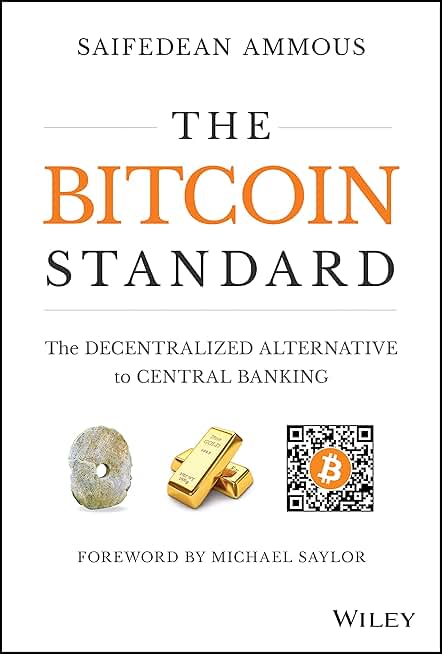
Security begins with the physical layer. Hardware wallets are non-negotiable for long-term storage. Pair this with educational resources to ensure your team understands best practices. The following items are essential for setting up a secure treasury infrastructure.


As an Amazon Associate, we may earn from qualifying purchases.
Risk management and compliance
Treasury operations in the Web3 space are high-stakes. Unlike traditional banking, there is no FDIC insurance and no central counterparty to reverse errors. Your strategy for stability and sovereignty depends entirely on your internal controls. A single compromised key or a misconfigured smart contract can drain a treasury in seconds. Therefore, compliance and audit trails are not just regulatory checkboxes; they are the structural integrity of your financial stack.
The Compliance Baseline
Treasury management focuses on optimizing the use of monetary assets, managing daily liquidity, and ensuring sufficient reserves. In the "based" context, this means adhering to strict internal governance that mirrors or exceeds traditional institutional standards. You must establish clear separation of duties. No single individual should have unilateral access to large value transfers. Implement multi-signature requirements for all significant transactions, ensuring that every move is authorized by a quorum of trusted stakeholders.
Audit Trails and Transparency
Transparency is your best defense. Every transaction must be recorded on-chain and correlated with internal records. This creates an immutable audit trail that can be reviewed by auditors or community members. Use tools that provide real-time visibility into fund flows. This doesn't mean publicizing every transaction, but rather ensuring that your internal ledger matches the blockchain state perfectly. This alignment builds trust and allows for rapid identification of anomalies.
Essential Tools for Secure Operations
To maintain this level of security, you need reliable infrastructure. While software wallets are common, hardware solutions are critical for cold storage. The following tools are recommended for securing your private keys and managing transactions securely:


As an Amazon Associate, we may earn from qualifying purchases.
Technical Monitoring
Monitoring market conditions is part of risk management. Volatility can impact treasury valuation and liquidity. Use technical charts to track asset performance and set alerts for significant price movements. This helps you make informed decisions about when to rebalance or hedge positions.
Frequently asked: what to check next
Treasury management in the Web3 space operates differently than traditional finance, yet the core principles of stability and sovereignty remain the same. Below are the most common questions about building a "based" treasury.
No comments yet. Be the first to share your thoughts!