The core constraint of a based treasury strategy
A "based" treasury strategy is not a single investment vehicle; it is a structural constraint that prioritizes long-term solvency and operational resilience over short-term yield chasing. In the current market environment, this approach requires organizations to treat cash, US Treasuries, and digital assets as interlocking parts of a single liquidity framework rather than isolated silos.
The primary constraint lies in balancing the four pillars of treasury management: cash flow, risk management, capital investment, and banking relationships. For modern entities, this means integrating traditional fixed-income instruments with volatile digital assets while maintaining strict controls. Deloitte notes that successful adoption requires incorporating specific treasury controls and ensuring the organization has the correct human capital and system automation to monitor these hybrid balances effectively.
This strategy directly impacts who is buying US treasuries now. Institutional investors are no longer just holding bonds for safety; they are using them as collateral for basis trades and as a stable anchor to offset the volatility of alternative holdings. The constraint is simple: every unit of risk taken in digital assets must be hedged by a commensurate unit of stability in traditional instruments, ensuring the treasury remains solvent through market cycles.
Based treasury strategy choices that change the plan
Choosing a treasury strategy requires balancing liquidity, yield, and risk. A "based" approach typically anchors the portfolio in high-quality, short-duration U.S. Treasuries while selectively allocating to higher-yielding or alternative assets. This section breaks down the concrete factors you must evaluate when constructing a 2026 treasury stack.
Yield vs. Duration Risk
Short-term Treasuries offer safety and liquidity but lower yields. Extending duration increases interest rate sensitivity, meaning price volatility rises if rates move against you. For 2026, consider the yield curve outlook: if steepening is expected, longer durations may offer better total returns, but only if you can withstand interim drawdowns. Match duration to your cash flow needs, not just current yield.
Liquidity Needs vs. Lock-up Periods
Not all treasury instruments are equally liquid. Money market funds and T-bills can be accessed quickly, while longer-term bonds or private credit may have lock-up periods or secondary market discounts. If your organization faces unpredictable cash outflows, prioritize instruments that can be sold or redeemed without significant penalty. Over-allocating to illiquid assets can create funding gaps during stress events.
Credit Quality vs. Yield Spread
U.S. Treasuries are considered risk-free, but corporate bonds or emerging market debt offer higher yields to compensate for credit risk. Evaluate the credit spreads relative to the economic cycle. In a stable growth environment, slightly lower-rated debt may outperform Treasuries. However, in a downturn, credit spreads widen, and prices drop. Diversify across credit qualities, but keep the core stable.
Operational Complexity vs. Return Enhancement
Simple treasury strategies (e.g., buying and holding T-bills) require minimal operational overhead. More complex strategies, such as basis trades or derivatives overlays, can enhance returns but require sophisticated systems, skilled staff, and robust monitoring. Deloitte notes that digital asset and complex treasury adoptions require strong controls and automation. If your team lacks the resources, stick to simpler, transparent instruments.
Alternative Assets and Digital Exposure
Some treasuries now include Bitcoin or other digital assets, as seen in Michael Saylor’s strategy at MicroStrategy. This approach treats digital assets as a non-correlated store of value rather than a cash equivalent. It introduces significant volatility and regulatory uncertainty. Only allocate to alternatives if they serve a specific strategic purpose and you can absorb potential losses without impacting core operations.
| Factor | U.S. Treasuries | Corporate Bonds | Digital/Alt Assets |
|---|---|---|---|
| Liquidity | High | Medium | Low |
| Yield Potential | Low-Medium | Medium-High | High/Volatile |
| Credit Risk | None | Moderate | High |
| Operational Cost | Low | Medium | High |
Build a practical treasury decision framework
A based treasury strategy requires more than just buying assets; it demands a structured approach to risk and liquidity. Treasury management strategies are methods organizations use to oversee cash, investments, and financial risks, ensuring they have enough liquidity to operate. To turn research into action, follow this step-by-step framework.

Establish the four pillars of treasury management: liquidity, risk, compliance, and technology. These pillars serve as the foundation for all subsequent decisions. Without clear definitions for each, your strategy will lack direction and leave you exposed to operational gaps.
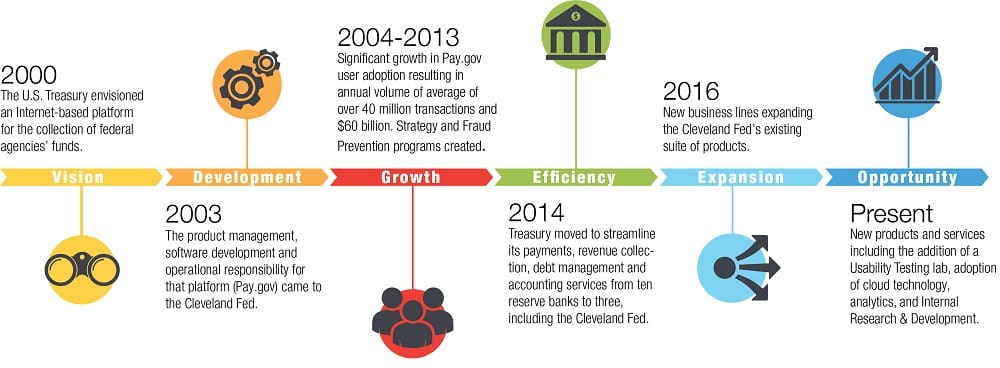
Understand who is buying US treasuries now to gauge market sentiment. Institutional demand often signals stability, while retail or foreign central bank activity can indicate shifts in global liquidity. Use this data to time your entry points rather than reacting to short-term noise.
Learn what Michael Saylor's Bitcoin treasury strategy entails to understand the potential for non-traditional asset allocation. While his approach is aggressive, analyzing his risk mitigation controls can help you decide how much, if any, digital assets fit your specific treasury profile.
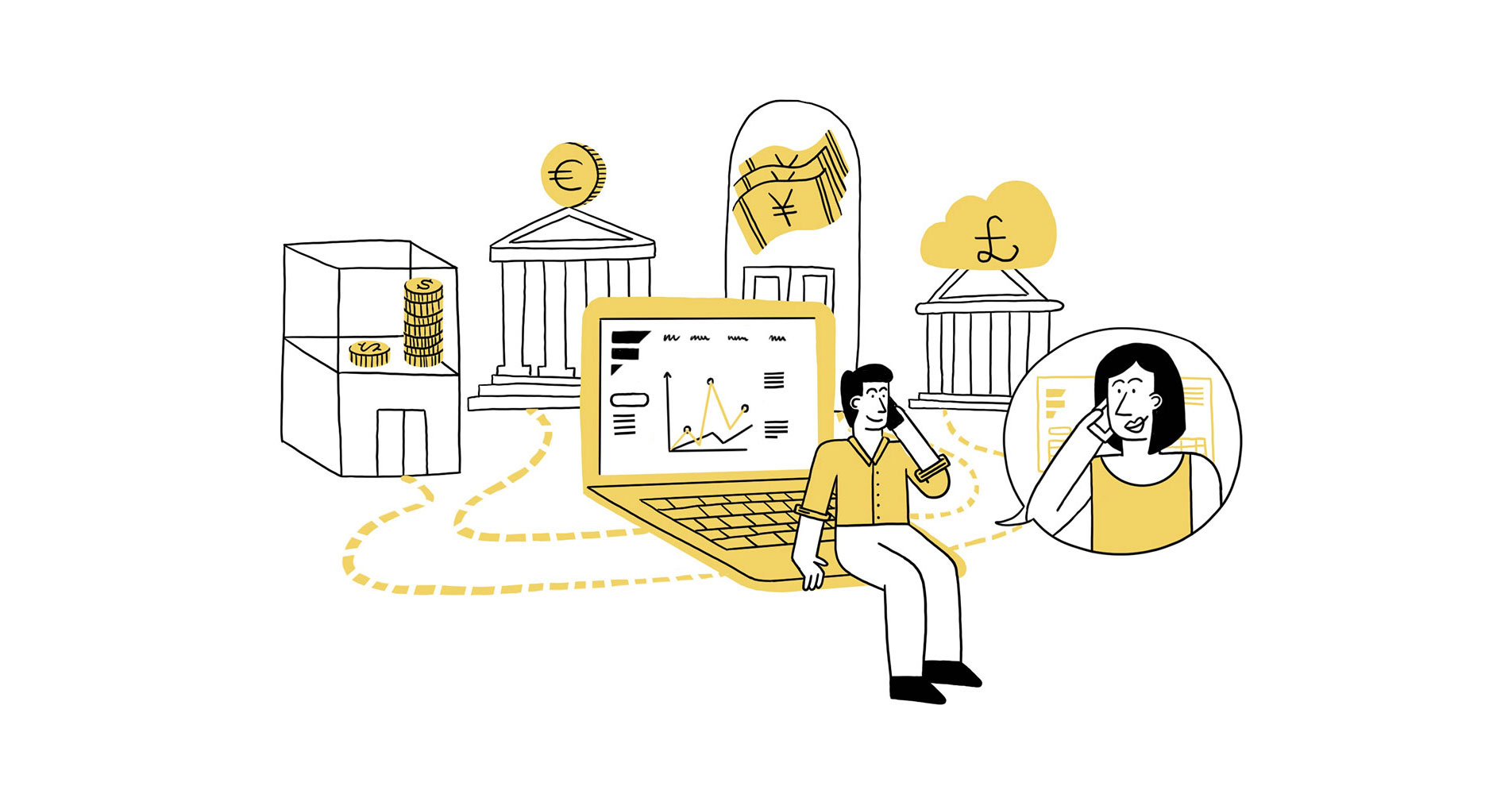
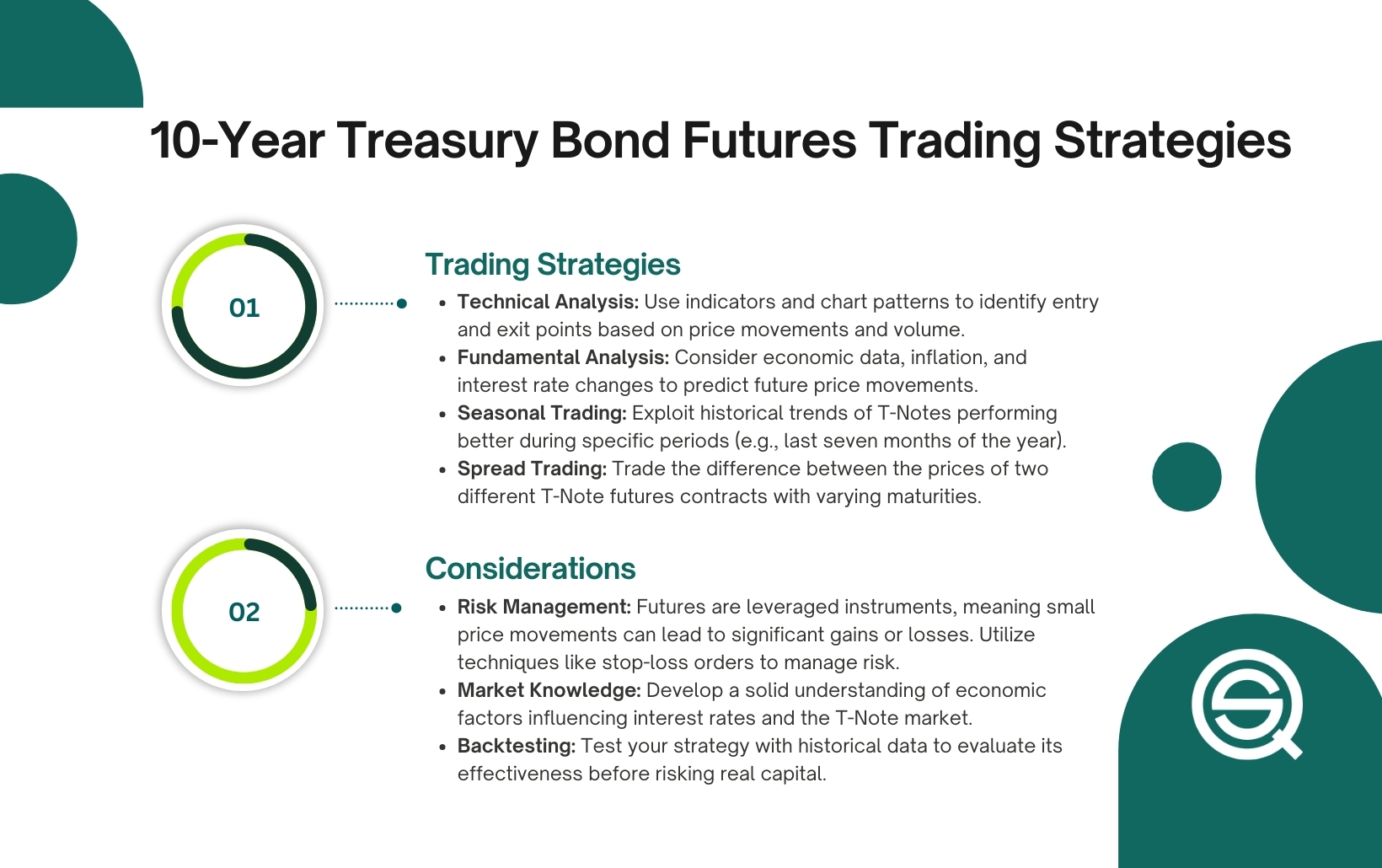
Analyze what the treasury basis trade is and whether it applies to your portfolio. This strategy exploits pricing inefficiencies between cash bonds and futures. It requires sophisticated monitoring and automation, so only pursue it if you have the necessary infrastructure and human capital.
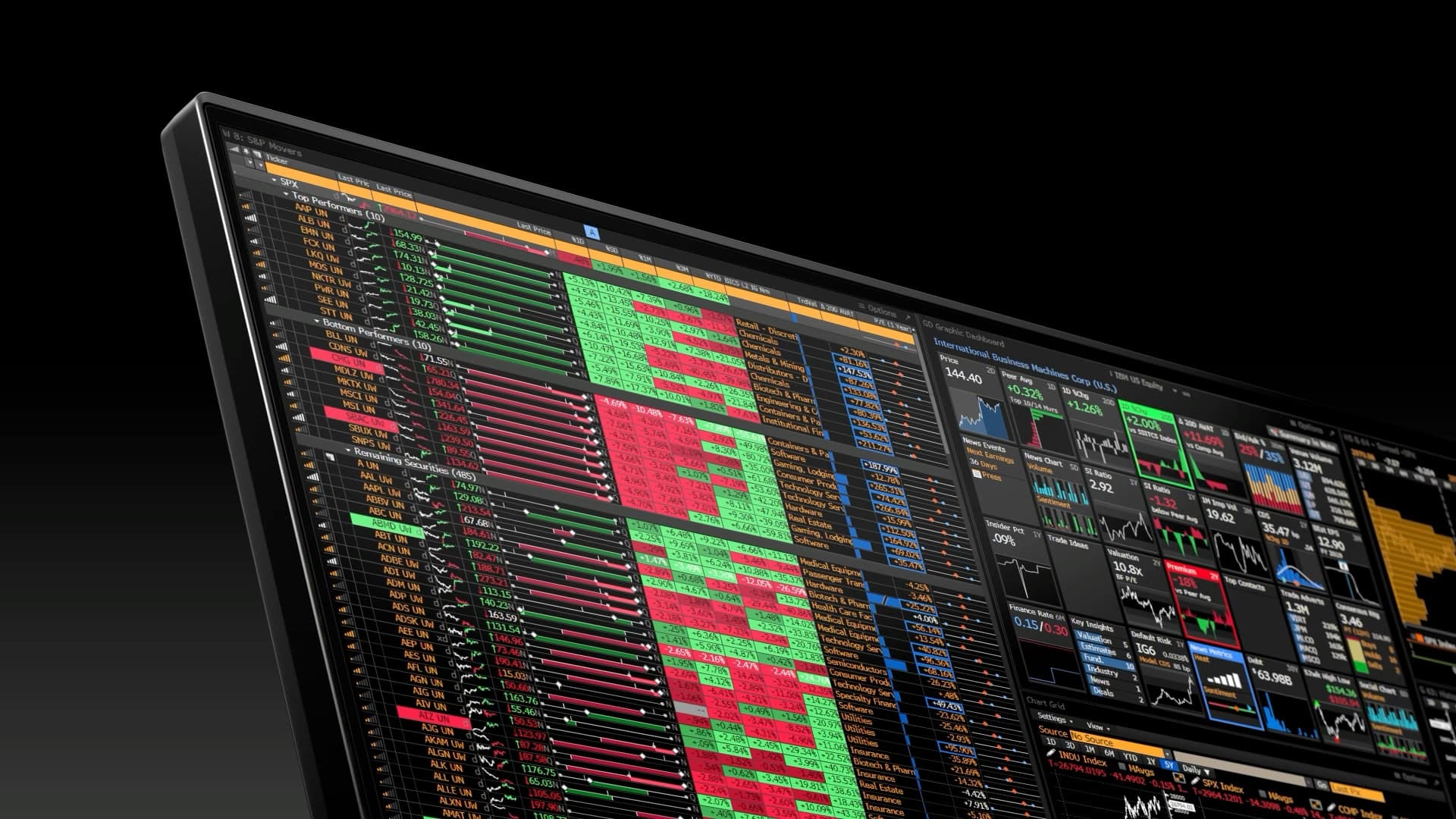
Ensure your organization has the correct system automation to enforce treasury controls. Digital asset adoption and traditional treasury management both require rigorous monitoring. Automated alerts and compliance checks reduce human error and protect your liquidity from unexpected market shocks.


As an Amazon Associate, we may earn from qualifying purchases.
Watchouts: Misleading Claims and Weak Options
Treasury managers navigating the 2026 landscape must distinguish between genuine yield opportunities and structural traps. Several common strategies promise safety but carry hidden liquidity risks or regulatory exposure. Identifying these weak options prevents capital erosion and ensures alignment with sustainable growth goals.
The "Safe" Digital Asset Trap Adopting Bitcoin as a treasury reserve, as seen in Michael Saylor’s strategy, introduces extreme volatility to a balance sheet designed for stability. While it hedges against fiat debasement, it fails the primary test of treasury management: preserving liquidity for operational needs. Treating volatile crypto assets as core reserves exposes the firm to sudden drawdowns that traditional cash equivalents do not.
Liquidity Illusions in Basis Trades The treasury basis trade—exploiting price differences between cash and futures markets—appears risk-free but relies on continuous funding. If margin requirements spike or spreads widen unexpectedly, these positions can trigger forced liquidations. This strategy works only in stable environments; in 2026’s fragmented rate environment, the cost of carry can easily erase the spread.
Over-Reliance on Short-Term Bills Parking all excess cash in 3-month T-bills creates reinvestment risk. As rates shift, rolling over these bills can result in significant income drops if the yield curve inverts sharply. A better approach involves laddering maturities across 1, 3, 6, and 12 months to smooth out income volatility and maintain access to capital without constant rolling.
Ignoring Counterparty Concentration Many firms concentrate deposits in a single large bank for yield pickup. This violates the four pillars of treasury management, specifically liquidity and counterparty risk mitigation. Diversifying across multiple financial institutions ensures that no single default impacts the organization’s ability to pay payroll or vendors.
The core mistake is prioritizing yield over resilience. Sustainable treasury strategies in 2026 require balancing the four pillars: liquidity, safety, compliance, and yield. Any option that compromises one for the others is a weak option.
Based treasury strategy: what to check next
Addressing practical objections and clarifying market mechanics helps align your treasury approach with 2026 infrastructure realities. These answers cover the primary actors, structural pillars, and specific trading strategies relevant to sustainable growth.
No comments yet. Be the first to share your thoughts!