What based treasury actually means
A based treasury is not a new asset class. It is a structural approach to managing digital cash reserves. The goal is to keep funds on-chain while maintaining the safety and yield profiles of traditional government debt. You are essentially moving the corporate treasury function into the Web3 stack.
This shift requires a different set of tools. Traditional treasury management relies on bank accounts and wire transfers. A based treasury relies on smart contracts, stablecoins, and on-chain lending protocols. The core challenge is bridging the gap between the speed of blockchain and the regulatory requirements of institutional finance.
The four pillars of treasury management still apply: liquidity, risk, compliance, and yield. However, the execution changes. Liquidity must be instant and programmable. Risk management involves monitoring smart contract exposure alongside credit risk. Compliance requires on-chain transparency rather than off-chain audits. Yield generation depends on decentralized finance (DeFi) mechanisms rather than bank interest rates.
This structure offers significant advantages for global operations. Funds can move across borders without intermediaries. Settlement is near-instant. But it also introduces new risks. Smart contract bugs, stablecoin de-pegging, and regulatory uncertainty are real threats. A based treasury is a powerful tool, but it demands rigorous technical and financial oversight.
Based treasury choices that change the plan
Moving treasury operations on-chain introduces a distinct set of variables that traditional balance sheets do not require. The decision to hold assets as "based" treasuries—typically meaning native tokens or on-chain stablecoins—requires weighing immediate liquidity against long-term yield potential. Institutional portfolios must evaluate how these assets behave during market stress, not just during bull runs.
The core tradeoff lies in the tension between yield generation and principal preservation. While on-chain lending protocols offer attractive nominal returns, they often come with smart contract risk and impermanent loss scenarios that traditional bonds do not. Conversely, holding native tokens provides governance rights and ecosystem alignment but exposes the treasury to significant volatility. Understanding these dynamics is essential for constructing a resilient Web3 portfolio.
To clarify these differences, the following comparison breaks down the primary tradeoffs between holding native ecosystem tokens, stablecoins, and tokenized traditional treasuries (TTNs). This framework helps treasury managers decide which asset class aligns with their specific liquidity and risk mandates.
| Asset Class | Yield Potential | Primary Risk | Liquidity Profile |
|---|---|---|---|
| Native Tokens | Low (Price Appreciation) | High Volatility | High (Exchange Listed) |
| Stablecoins | Medium (Lending Protocols) | Smart Contract/Depeg | Very High |
| Tokenized Treasuries | Low-Medium (Risk-Free Rate) | Issuer/Custodial | Medium-High |
The choice between these options is rarely binary. Most institutional treasuries adopt a hybrid approach, using stablecoins for daily operational liquidity and native tokens for long-term strategic growth. However, the allocation percentages must be dynamic, adjusting to interest rate environments and on-chain protocol health. A static allocation often leads to suboptimal returns or unexpected exposure to systemic risks.
Choose the next step
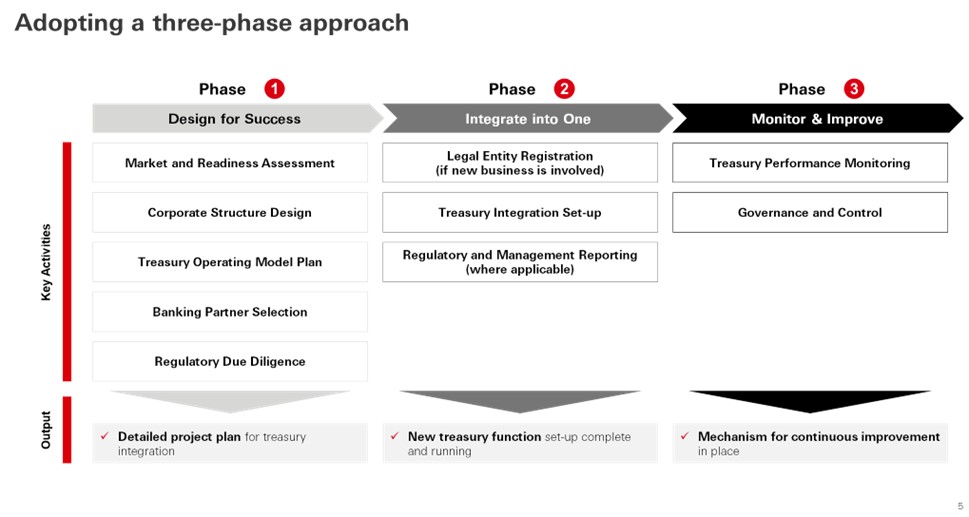
The Based Treasury Playbook works best as a clear sequence: define the constraint, compare the realistic options, test the tradeoff, and choose the path with the fewest hidden costs. That order keeps the advice usable instead of decorative. After each step, pause long enough to check whether the recommendation still fits the reader's actual situation. If it depends on perfect timing, unusual access, or a best-case budget, include a simpler fallback.

Spotting Weak Options in the 2026 Treasury Landscape
Institutional-grade Web3 treasury management demands precision, but the current market is littered with misleading claims and suboptimal tools. As you evaluate infrastructure for 2026, distinguishing between robust solutions and weak options is critical to preserving capital. Many platforms overpromise on yield or underdeliver on security, creating hidden risks that can erode portfolio value.
Ignoring liquidity limits to account for
Many treasury tools advertise high yields but fail to account for withdrawal friction or slippage during market stress. A treasury must maintain sufficient liquidity to meet operational obligations, not just chase APY. If a platform locks funds for extended periods or imposes steep exit fees, it is a weak option regardless of its headline return. Always verify the time-to-settle for any yield-bearing asset.
Overlooking Smart Contract Risk
Some Web3 treasury solutions rely on unverified or outdated smart contracts. In 2026, the attack surface remains significant, and a single vulnerability can drain assets. Weak options often skip third-party audits or use code with known exploits. Prioritize infrastructure with transparent, recent audit reports and bug bounty programs. Never trust a protocol solely based on its marketing materials.
Neglecting Regulatory Compliance
As regulations tighten globally, non-compliant treasury tools pose existential risks. Weak options often lack KYC/AML integration or operate in legal gray areas, exposing institutions to fines or asset freezes. Ensure your chosen infrastructure adheres to current jurisdictional requirements. Compliance is not optional; it is a core pillar of institutional-grade treasury management.
Relying on Single-Point Custody
Some platforms offer custody solutions without multi-signature or MPC (Multi-Party Computation) safeguards. This creates a single point of failure. Weak options may rely on a single key holder or centralized server, increasing the risk of internal fraud or external hack. Institutional portfolios require distributed control mechanisms to mitigate this risk effectively.
Based treasury: what to check next
Helpful gear
Use these product recommendations as a starting point, then choose the size, material, and price point that fit how you actually use the gear.

As an Amazon Associate, we may earn from qualifying purchases.
No comments yet. Be the first to share your thoughts!