What Based Treasury Means for Web3 Portfolios
In traditional finance, a corporate treasury department manages cash, liquidity, and risk to keep the business stable. In Web3, a "based treasury" applies this same discipline to digital assets. It is not about speculation; it is about survival and steady growth.
Think of your treasury like a reservoir. You need enough water (liquidity) to keep the crops (operations) alive during a drought, but you also want to store excess water for the future. If you let all the water evaporate (spend it all on volatile assets), the farm dies. If you keep it all in a dry bucket (idle stablecoins), it loses value to inflation and opportunity cost.
The goal is to balance these needs using proven financial principles. This means holding enough stablecoins for daily expenses, keeping a portion in low-risk government bonds (like US Treasuries) for yield, and only allocating a small percentage to high-risk assets like Bitcoin or Ethereum for long-term appreciation.
This approach removes the guesswork. Instead of chasing trends, you build a portfolio that can withstand market crashes while generating consistent returns. It turns your digital assets from a gamble into a reliable financial engine.
Weighing the tradeoffs of a based treasury strategy
Moving capital into a based treasury requires evaluating more than just yield. You are balancing liquidity constraints, regulatory compliance, and counterparty risk against the potential for stable, asset-backed returns. Unlike traditional cash management, which prioritizes immediate access to funds, a based treasury often locks capital into specific protocols or instruments to secure premium rates.
The decision matrix typically revolves around three core factors: the transparency of the underlying collateral, the efficiency of the settlement layer, and the legal enforceability of the claims. A strategy that offers high yield but opaque collateral exposes the portfolio to silent depegging or smart contract failures. Conversely, fully compliant structures may offer lower returns due to overhead costs. Understanding these tradeoffs is essential for institutional-grade positioning.
To visualize these comparisons, consider how different treasury vehicles stack up against each other. The following table breaks down the key evaluation criteria for common based treasury approaches.
| Feature | Liquid Stablecoin | Tokenized Bills | Money Market Fund |
|---|---|---|---|
| Liquidity | Instant (on-chain) | 24-48 hours | T+1 |
| Yield Source | Low (market rate) | High (T-bill coupon) | Medium (commercial paper) |
| Regulatory Clarity | Low | Medium | High |
| Counterparty Risk | Medium | Low | Low |
When selecting a vehicle, start by defining your liquidity horizon. If you need to move capital instantly during market volatility, liquid stablecoins remain the only true option, despite their lower yield. For longer-term holdings, tokenized treasury bills offer a compelling middle ground, providing direct exposure to risk-free rates with on-chain efficiency. However, this comes with the tradeoff of settlement delays and emerging regulatory frameworks.
Finally, always audit the counterparty. In a based treasury, your yield is often derived from the creditworthiness of the issuer or the protocol’s reserve managers. Diversifying across these categories can mitigate the risk of any single point of failure, ensuring your portfolio remains resilient across different market conditions.
How to choose the right treasury tools
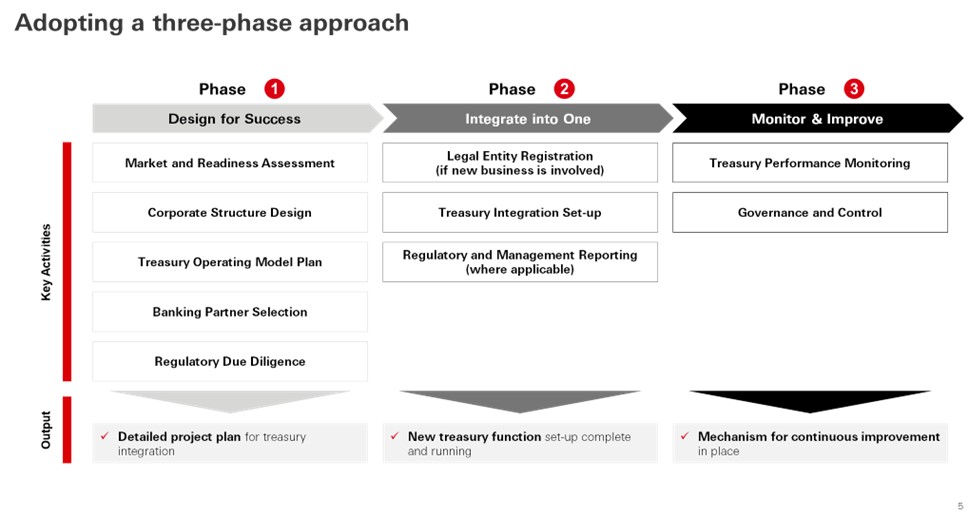
Building a web3 treasury is less about finding a single magic bullet and more about assembling a stack that balances security with operational speed. The best tools for your Based Treasury Playbook depend on your specific risk tolerance and the complexity of your holdings. Use this framework to evaluate options.

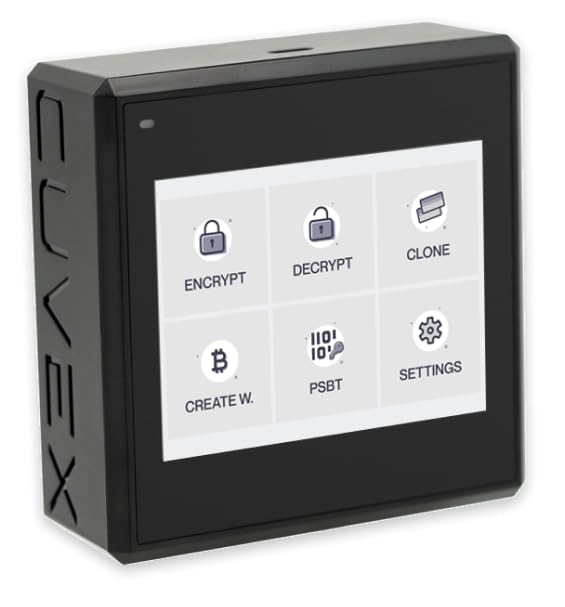
Security is your foundation. Look for multi-signature wallets that allow you to set custom spending limits and require multiple approvals for large transactions. This prevents single points of failure and ensures that no single person can drain the treasury.
You need real-time visibility into your assets. Tools that provide portfolio tracking, transaction history, and risk scoring are essential. This allows you to spot unusual activity immediately and understand the composition of your treasury at any given moment.
Idle assets lose value. Choose platforms that offer automated yield farming or staking strategies tailored for institutional-grade security. These tools help your treasury grow while you focus on strategy, ensuring your capital is always working for you.


As an Amazon Associate, we may earn from qualifying purchases.
When evaluating these products, prioritize those with a strong track record of security audits and active community support. The goal is to reduce friction while maintaining the highest standard of protection for your digital assets.
Watchouts for Web3 Treasury Managers
Institutional-grade Web3 portfolios face distinct risks that standard finance playbooks often miss. The gap between traditional treasury management and on-chain asset control is wide. Misleading claims about yield or security abound.
Treasury guidance in crypto lacks the regulatory clarity of traditional finance. Without clear rules, projects often conflate marketing with substance. You must separate signal from noise.
Weak Yield Claims
Many protocols promise unsustainable returns. These numbers rarely account for token depreciation or smart contract risk. Treat high APYs with skepticism. Verify the underlying revenue model.
Security Overstatements
"Battle-tested" does not mean "unhackable." Audits are snapshots in time, not guarantees. Check for active bug bounties and time-locked upgrades. Assume every contract is vulnerable until proven otherwise.
Liquidity Illusions
On-chain liquidity can vanish instantly. Check depth across multiple decentralized exchanges. Thin order books lead to severe slippage during market stress.
Governance Risks
Decentralized governance is not always decentralized. Whales or founding teams often control voting power. Review token distribution and voting thresholds before allocating significant capital.
No comments yet. Be the first to share your thoughts!