Defining the based treasury model
A Based Treasury strategy is an operational framework that treats digital assets not as speculative side-hustles, but as core balance sheet components. Unlike traditional corporate treasury management, which prioritizes fiat liquidity and low-yield safety, this model seeks to optimize capital efficiency by holding crypto-native assets and generating yield through on-chain mechanisms.
The distinction lies in the source of alpha. Traditional treasuries, such as those managed by public companies allocating billions into crypto, often hold assets like Bitcoin as a static reserve asset. Their primary goal is capital preservation and inflation hedging. In contrast, a Based Treasury actively manages its balance sheet to capture the unique yield opportunities of decentralized finance (DeFi) and crypto-native infrastructure.
This approach requires a fundamental shift in risk management. Instead of relying solely on traditional banking controls and fiat settlements, Based Treasuries must implement on-chain monitoring, smart contract auditing, and automated treasury controls. The goal is to maintain the safety of principal while maximizing the return on idle capital through programmable finance.
The market reflects this divergence. As public firms continue to allocate significant capital into crypto treasuries, the pressure to move beyond simple holding toward active yield generation is growing. This transition defines the modern Based Treasury: a hybrid structure that blends traditional financial rigor with the aggressive efficiency of crypto-native tools.
Core Asset Allocation Frameworks
A sustainable Based Treasury strategy begins with understanding the distinct roles of the primary asset classes: Bitcoin, Ethereum, and Stablecoins. Unlike traditional corporate treasuries that rely heavily on fixed-income securities for safety, a crypto-native treasury must balance liquidity needs against the unique risk/return profiles of digital assets. The goal is not merely to hold assets, but to structure them in a way that supports operational resilience while capturing yield.
Bitcoin: The Digital Reserve Asset
Bitcoin serves as the foundational layer of most modern treasury strategies, functioning similarly to a digital gold standard. Its primary value proposition lies in its scarcity and network security, making it the least volatile among major crypto assets relative to its long-term appreciation potential. For treasuries, Bitcoin is typically held as a long-term reserve rather than for daily operations. The risk profile is moderate compared to altcoins, but it still carries significant price volatility, requiring careful position sizing.
Ethereum: Yield and Utility
Ethereum offers a dual value proposition: store of value through its deflationary mechanics and yield generation through staking. Holding ETH allows a treasury to participate in the network's security via staking, generating a baseline yield that can offset holding costs. However, this comes with smart contract risk and validator operational complexity. For many treasuries, Ethereum represents a bridge between pure speculation and utility, providing both capital appreciation potential and a steady income stream from protocol participation.
Stablecoins: Operational Liquidity
Stablecoins provide the essential liquidity layer for a Based Treasury strategy. They are used for day-to-day operations, paying vendors, and managing short-term cash flow needs. While they offer minimal yield compared to BTC or ETH, their stability is crucial for mitigating portfolio volatility. Treasuries must carefully select stablecoin issuers based on reserve transparency and regulatory compliance to avoid counterparty risk. The primary risk here is not price volatility, but depegging events and regulatory scrutiny.
Comparing Risk and Return Profiles
Choosing the right allocation depends on your treasury's specific goals. Below is a comparison of the three primary asset classes across key metrics.
| Asset Class | Volatility | Yield Potential | Liquidity | Primary Use |
|---|---|---|---|---|
| Bitcoin | High | Low (0-2%) | High | Long-term Reserve |
| Ethereum | High | Medium (3-6%) | High | Growth & Staking Yield |
| Stablecoins | Low | Low (4-8%) | Very High | Operations & Liquidity |
Strategic Allocation Considerations
The optimal allocation varies by organization size and risk tolerance. Startups may lean heavily into ETH for its growth potential, while mature entities might prioritize BTC and stablecoins for stability. Regardless of the mix, regular rebalancing is essential to maintain the desired risk profile. Treasuries should also consider the tax implications of staking rewards and lending activities, as these can significantly impact net returns. For a deeper look at how public companies are structuring these strategies, DWF Labs provides comprehensive research on corporate crypto treasury allocations.
Custody and Infrastructure
A Based Treasury strategy depends on the technical backbone that keeps assets safe and accessible. You cannot build sustainable alpha if the infrastructure holding your capital is fragile. The choice between self-custody and institutional solutions dictates your risk profile, operational complexity, and ability to scale.
Self-Custody and Multi-Sig
Self-custody places control directly in your hands, eliminating counterparty risk from centralized exchanges. However, it requires rigorous key management. Multi-signature (multi-sig) wallets are the standard for serious players, requiring multiple private keys to authorize a transaction. This setup prevents a single point of failure, whether that failure is a compromised device or an internal rogue actor.
The trade-off is complexity. Managing key shares, backup procedures, and recovery protocols demands dedicated human capital and system automation. As Deloitte notes, mitigation strategies must include robust treasury controls to handle the operational weight of digital asset adoption. If your team cannot manage this, self-custody becomes a liability rather than a feature.
Institutional Custody
Institutional custody providers offer a middle ground, combining professional security with ease of use. They handle the heavy lifting of key storage, insurance, and regulatory compliance. This is ideal for organizations that prioritize operational efficiency over absolute self-sovereignty. The cost is a fee structure and a reliance on a third party’s security posture.
When selecting a provider, look for proof of reserves, clear insurance coverage, and transparent audit trails. The goal is to align the custody solution with your treasury’s liquidity needs. If you need immediate access for yield farming or DeFi integration, ensure the provider supports seamless API connectivity without sacrificing security.

Managing Risk and Compliance in Based Treasury Strategy
A successful Based Treasury strategy isn't just about finding yield; it's about surviving the drawdowns. Unlike traditional corporate treasuries that prioritize stability through government-backed securities, crypto-based treasuries face a unique triad of risks: smart contract vulnerabilities, regulatory shifts, and extreme market volatility. Protecting principal requires a defense-in-depth approach that treats compliance and technical security as foundational infrastructure, not afterthoughts.
Smart Contract and Technical Risk
The largest operational threat to any crypto treasury is code failure. Whether you are staking assets, providing liquidity, or using yield-generating protocols, you are exposed to the security posture of the underlying smart contracts. A single exploit can drain the treasury instantly. To mitigate this, rely on audited, battle-tested protocols with long track records. Avoid new, unaudited yields that promise unrealistic returns. Treat your treasury's smart contract exposure like a physical vault: only keep what you need for immediate operations in the "hot" wallets, and store the bulk of your assets in multisig cold storage with strict governance controls.
Regulatory Compliance and Governance
Regulatory uncertainty remains a persistent headwind for crypto treasuries. As governments worldwide refine their frameworks for digital assets, non-compliance can lead to frozen assets or legal penalties. A robust Based Treasury strategy must incorporate clear governance policies that define who can authorize transactions and under what conditions. This includes adhering to anti-money laundering (AML) standards and ensuring that your treasury's activities align with the evolving legal landscape in your jurisdiction. Transparency in reporting and holding is no longer optional; it is a requirement for institutional credibility and long-term sustainability.
Market Volatility and Liquidity Management
Crypto markets can swing double digits in a matter of hours. A treasury that is 100% exposed to volatile assets risks insolvency during a bear market. Effective risk management involves diversifying across stablecoins and low-volatility assets to maintain operational liquidity. This ensures that you can meet payroll, pay vendors, and cover emergency expenses without having to sell your core strategic holdings at a loss. Regularly rebalance your portfolio to maintain target allocations, treating volatility as a feature to be managed rather than a risk to be ignored.
Tools for treasury execution
A successful Based Treasury strategy relies on more than just holding assets; it requires the right infrastructure to manage liquidity, yield, and governance. The software landscape has matured to meet the demands of high-stakes financial decisions, offering specialized platforms that bridge the gap between traditional finance and on-chain operations.
Portfolio trackers are the foundation of visibility. These tools aggregate data across multiple wallets and chains, providing a real-time view of your holdings. Without accurate tracking, it is impossible to assess true exposure or rebalance effectively. Leading platforms now offer institutional-grade reporting that satisfies compliance requirements while maintaining the speed necessary for crypto markets.
Yield aggregators and governance tools complete the execution stack. Aggregators automate the search for the best risk-adjusted returns, while governance dashboards simplify the voting process for protocol upgrades. Together, these tools reduce operational friction and allow treasury teams to focus on strategic allocation rather than manual execution.



As an Amazon Associate, we may earn from qualifying purchases.
Building your treasury checklist
A robust based treasury strategy requires more than just buying assets; it demands a structured approach to custody, allocation, and ongoing monitoring. Use this checklist to audit your current setup or plan your initial deployment, ensuring you cover the critical bases identified by Deloitte and industry leaders.
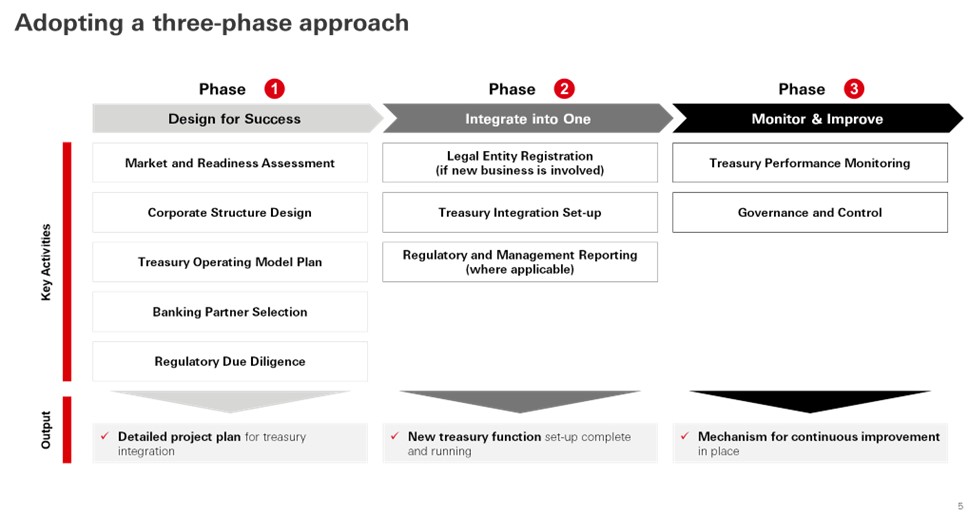
Align your asset allocation with your organization’s specific cash flow needs. Determine how much capital must remain liquid for operations versus how much can be deployed for yield or long-term appreciation.

Choose custodians that meet institutional-grade security standards. Whether using multi-signature wallets or third-party providers, ensure private key management follows strict internal controls to mitigate theft risk.

Deploy treasury management systems that offer real-time visibility into asset positions. Automation helps track compliance with your investment policy statement and flags anomalies before they become significant losses.
Document clear policies for asset movement, approval workflows, and regulatory reporting. Regular audits of your treasury processes ensure that your based treasury strategy remains aligned with evolving legal and financial standards.
Common questions on treasury strategy
Treasury management is less about chasing yield and more about managing the risk of holding the asset that backs the entire strategy. When you build a Based Treasury strategy, you are essentially borrowing against the stability of the underlying collateral.
No comments yet. Be the first to share your thoughts!