What is a based treasury?
A based treasury is not a passive vault; it is a strategic engine. At its core, it focuses on optimizing the use of monetary assets to ensure sufficient cash reserves for ongoing operations. By guaranteeing fund availability, it enables the execution of strategic initiatives aimed at achieving specific organizational goals.
Think of it as the nervous system of your financial health. Just as your body regulates temperature and blood flow to survive, a based treasury manages liquidity and risk to sustain your enterprise. It is not about hoarding wealth for its own sake, but about positioning capital to capture yield while protecting against volatility.
This approach shifts treasury management from a back-office function to a front-line competitive advantage. It requires a clear understanding of your assets, liabilities, and the tools available to manage them effectively. Without this foundation, even the most promising projects can stall due to liquidity constraints.
The primary objective is simple: maximize sustainable yield while minimizing risk. This means selecting the right instruments, timing your entries and exits, and maintaining enough liquidity to meet immediate obligations. It is a balancing act that requires constant attention and precise execution.
Weighing the tradeoffs in based treasury strategies
Treasury management is the strategic management of an organization's financial assets, liabilities, and liquidity to achieve specific goals. When building a "based" treasury strategy, you are essentially balancing three competing demands: yield, liquidity, and risk. There is no single correct configuration; instead, there is a set of tradeoffs that determine how resilient your treasury will be during market volatility.
To evaluate these tradeoffs, you must look beyond the headline yield. A high-yield instrument often comes with restricted access or higher counterparty risk. Conversely, highly liquid assets like short-term T-bills may offer lower yields but provide the flexibility needed for operational continuity. Understanding these mechanics is critical for any finance team aiming to optimize cash flow without exposing the organization to unnecessary fragility.
The following comparison highlights the primary tradeoffs across common treasury instruments. Use this framework to align your asset allocation with your organization's specific liquidity needs and risk tolerance.
| Instrument | Yield Profile | Liquidity | Primary Risk |
|---|---|---|---|
| Short-Term T-Bills | Low to Moderate | High | Interest Rate Sensitivity |
| Money Market Funds | Moderate | Very High | Credit/Counterparty |
| Commercial Paper | Moderate to High | Low | Default Risk |
| Corporate Bonds | High | Moderate | Market Volatility |
When selecting instruments, consider the cost of access. For example, while commercial paper offers higher yields than T-bills, it often requires significant minimum investments and has a secondary market that can dry up during stress. Money market funds provide daily liquidity but may carry fees that erode net returns during periods of low base rates.
Ultimately, the right strategy depends on your organization's cash flow forecast. If you have predictable, long-term capital, you can afford to lock in higher yields with lower liquidity. If your operations require daily cash access, prioritizing liquidity over yield becomes the only viable path. Always stress-test your chosen mix against potential rate hikes or credit downgrades to ensure your treasury remains robust under pressure.
Turn research into a practical based treasury strategy
Treasury management is the strategic management of an organization's financial assets, liabilities, and liquidity to achieve specific goals. For 2026, this means shifting from passive cash parking to an active, rules-based framework that prioritizes capital preservation while capturing sustainable yield in a volatile rate environment. The following steps outline how to build a treasury stack that balances safety, liquidity, and return.

Begin by mapping your cash flow cycles. Treasury management focuses on optimizing the use of monetary assets and ensuring sufficient cash reserves to sustain ongoing operations. Identify your operating reserves, capital expenditure needs, and debt service obligations. This baseline determines how much capital can be deployed into longer-duration assets without risking liquidity shortfalls.
Match instruments to your liquidity profile. Use overnight repurchase agreements or money market funds for immediate access, and ladder short-term T-bills or CDs for near-term needs. For capital that can remain invested for 12-24 months, consider intermediate-term Treasuries or high-grade commercial paper. This layered approach ensures you are not forced to sell assets at a loss to meet unexpected cash demands.
Manual cash management introduces operational risk and missed yield opportunities. Implement automated cash sweep programs that move excess balances into interest-bearing accounts or short-term investment vehicles overnight. This ensures every dollar earns a return while maintaining the liquidity needed for daily payroll, vendor payments, and tax obligations.

Interest rate movements directly impact the value of fixed-income holdings. Use technical indicators and macroeconomic data to gauge the Federal Reserve's trajectory. If rates are expected to fall, extend duration slightly to lock in higher yields. If rates remain elevated or rise, maintain shorter durations to avoid capital depreciation and reinvest at higher rates as instruments mature.
Market conditions and business needs change. Conduct a quarterly review of your treasury portfolio to ensure alignment with your liquidity targets and risk tolerance. Rebalance by selling underperforming or overexposed assets and reallocating to instruments that better fit the current rate outlook and operational cash flow projections.



As an Amazon Associate, we may earn from qualifying purchases.
Avoid Weak Options in 2026 Treasury Strategy
Treasury management focuses on optimizing the use of monetary assets, managing daily liquidity and risk, and ensuring sufficient cash reserves to sustain ongoing operations. By guaranteeing fund availability, treasury management enables the execution of strategic initiatives aimed at achieving the organization's goals [1]. However, many strategies fail because they rely on misleading claims or weak financial instruments that do not align with long-term sustainability.
Identifying these pitfalls is critical for maintaining a robust yield strategy. Below are common mistakes and weak options to avoid when building your 2026 treasury framework.
Over-Reliance on Short-Term Paper
Treasury teams often default to overnight repos or very short-term T-bills for perceived safety. While this provides immediate liquidity, it exposes the portfolio to significant reinvestment risk. As rates shift, the yield on these instruments can drop rapidly, eroding the overall return. A sustainable strategy requires a laddered approach that balances liquidity with longer-duration assets to lock in favorable rates.
Ignoring Credit Quality in Corporate Debt
Some treasury managers include high-yield corporate bonds in their portfolios to boost yield, assuming the risk is manageable. This is a weak option because credit spreads can widen unexpectedly during market stress, leading to capital losses that outweigh interest income. Stick to investment-grade corporates or government-backed securities to maintain stability. Always verify credit ratings from official sources before adding any corporate debt to your treasury mix.
Chasing Yield in Unproven Instruments
The allure of high yields often leads treasuries toward complex derivatives or non-standard fixed-income products. These instruments frequently lack transparency and can carry hidden fees or liquidity constraints. A simpler, more transparent approach using direct Treasury securities or money market funds often delivers more reliable results. Focus on instruments with clear pricing and easy exit strategies to avoid being locked into underperforming assets.
Monitor Market Trends
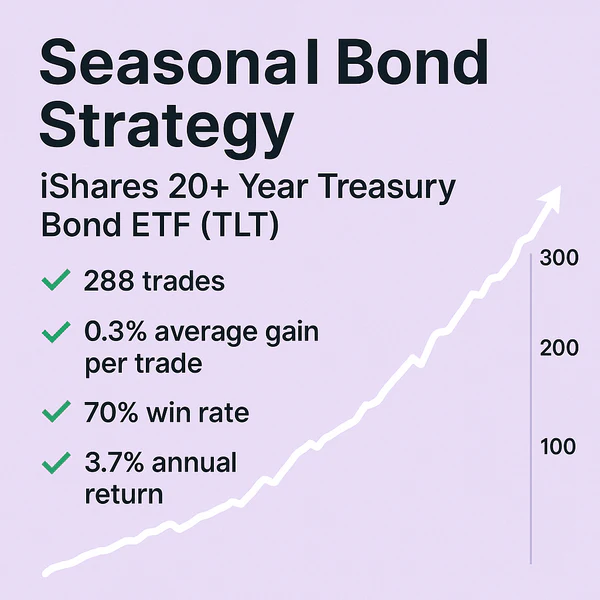
To stay ahead, keep an eye on key market indicators. Use the following chart to track broader market sentiment.
Based treasury: what to check next
Before committing capital to a based treasury strategy, it helps to separate the mechanics of traditional treasury management from the new opportunities created by decentralized infrastructure. The following questions address the practical objections and foundational definitions that often delay decision-making.
No comments yet. Be the first to share your thoughts!