What Based Treasury Management Actually Means
Treasury management is the strategic management of an organization's financial assets, liabilities, and liquidity to achieve specific goals. For a "Based" treasury, this means moving beyond simple cash preservation to active, data-driven deployment of capital. You aren't just hoarding reserves; you are engineering a balance sheet that can withstand market shocks while generating yield.
At its core, treasury management focuses on optimizing the use of monetary assets, managing daily liquidity, and ensuring sufficient cash reserves to sustain operations. In the context of a Based strategy, this involves guaranteeing fund availability for strategic initiatives. It requires a clear view of where every dollar sits, whether in short-term bills, stablecoins, or long-term bonds.
Managing treasury has become more complex, requiring tools that provide real-time visibility into exposure and risk. A modern Based treasury relies on technology to track liquidity across multiple chains and asset classes. This allows for rapid rebalancing when market conditions shift, ensuring that the organization remains solvent and agile.
The goal is to enable the execution of strategic initiatives aimed at achieving the organization's goals. This means your treasury isn't a passive vault but an active engine for growth. By understanding the tradeoffs between yield and liquidity, you can build a treasury that supports both immediate operational needs and long-term strategic expansion.
Based treasury choices that change the plan
Building a treasury strategy that relies on stablecoins or tokenized assets requires balancing yield potential against operational friction. Unlike traditional cash management, which prioritizes liquidity and regulatory safety above all else, based treasury models often seek higher returns through DeFi protocols or money market funds. This shift introduces new variables: smart contract risk, volatility exposure, and the complexity of on-chain settlement.
To evaluate these tradeoffs, finance teams must compare specific mechanisms side-by-side. The following table breaks down the core differences between holding cash equivalents, using short-term treasuries, and allocating to based treasury instruments. This comparison highlights where each option excels and where it introduces significant risk.
| Instrument | Liquidity | Yield Source | Primary Risk | Operational Complexity |
|---|---|---|---|---|
| Cash Equivalents (T-Bills) | High | Interest | Inflation | Low |
| Money Market Funds | High | Short-term rates | Counterparty | Low |
| Tokenized Treasuries | Medium | Underlying bond yield | Smart contract | Medium |
| DeFi Stablecoin Lending | Variable | Protocol fees/interest | Protocol failure | High |
| Stablecoin Staking | Low | Incentives | Depegging | High |
Assessing Liquidity and Settlement
Liquidity in based treasury is not just about speed; it is about certainty. Traditional bank transfers can take days to settle, creating cash drag. Tokenized assets offer near-instant settlement, but this speed is only valuable if the asset remains liquid during market stress. Money market funds provide high liquidity but are subject to redemption gates during extreme volatility. Tokenized treasuries sit in the middle, offering faster settlement than banks but requiring secondary market depth to exit large positions without slippage.
Evaluating Yield Sustainability
Yield in based treasury often comes from two sources: underlying interest (like bond coupons) and protocol incentives. Incentive-driven yield, common in DeFi lending or staking, is ephemeral and can vanish when subsidies end. Tokenized treasuries pass through the yield of the underlying U.S. Treasury bonds, making them more predictable but also subject to interest rate risk. Teams must distinguish between yield that is structural and yield that is speculative.
Weighing Risk Profiles
The primary risk in traditional treasury is counterparty failure or inflation erosion. In based treasury, smart contract risk becomes a dominant factor. A bug in a protocol’s code can lead to total loss, regardless of the underlying asset’s value. Additionally, stablecoins used in these strategies carry depegging risk, where the asset loses its 1:1 parity with the dollar. While tokenized treasuries mitigate some counterparty risk by holding actual bonds on-chain, they introduce new technical risks that require rigorous auditing and monitoring.
Operational Complexity
Finally, consider the operational overhead. Managing based treasury requires specialized knowledge of blockchain navigation, wallet security, and compliance reporting. Traditional treasury tools are mature and integrated with existing ERP systems. Based treasury tools are evolving rapidly but often require manual reconciliation and custom integrations. The complexity scales with the sophistication of the strategy, making it less suitable for teams without dedicated crypto infrastructure.
Choose the next step: Turn the research into a practical decision framework
Treasury management is the strategic management of an organization's financial assets, liabilities, and liquidity to achieve specific goals. For a based treasury strategy, this means moving beyond simple cash reserves to a structured approach that balances safety, yield, and operational flexibility. The goal is to ensure that funds are available when needed while maximizing returns on idle capital.
To build this framework, you need to evaluate three core areas: infrastructure, tools, and market research. Each area requires specific decisions that align with your organization's risk tolerance and time horizon. Below is a practical guide to selecting the right components for your treasury stack.

Start by choosing a platform that supports automated cash sweeps and real-time liquidity reporting. Your infrastructure should integrate with your existing banking partners and provide a single view of all assets. Look for systems that offer API access for seamless data flow and robust security protocols to protect sensitive financial data.
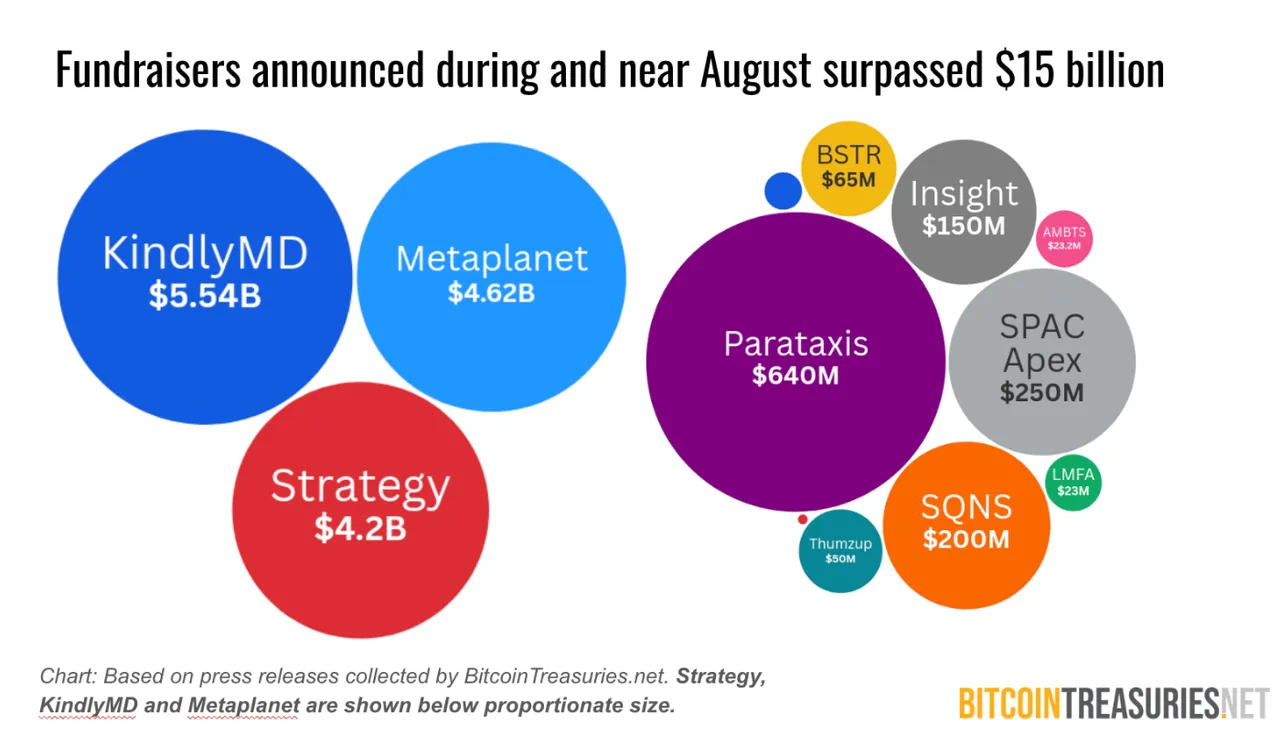
Deploy tools that automate daily liquidity management and risk monitoring. These tools should help you forecast cash flows accurately and identify opportunities for yield enhancement. Consider software that offers scenario analysis to test how different market conditions might impact your treasury position.
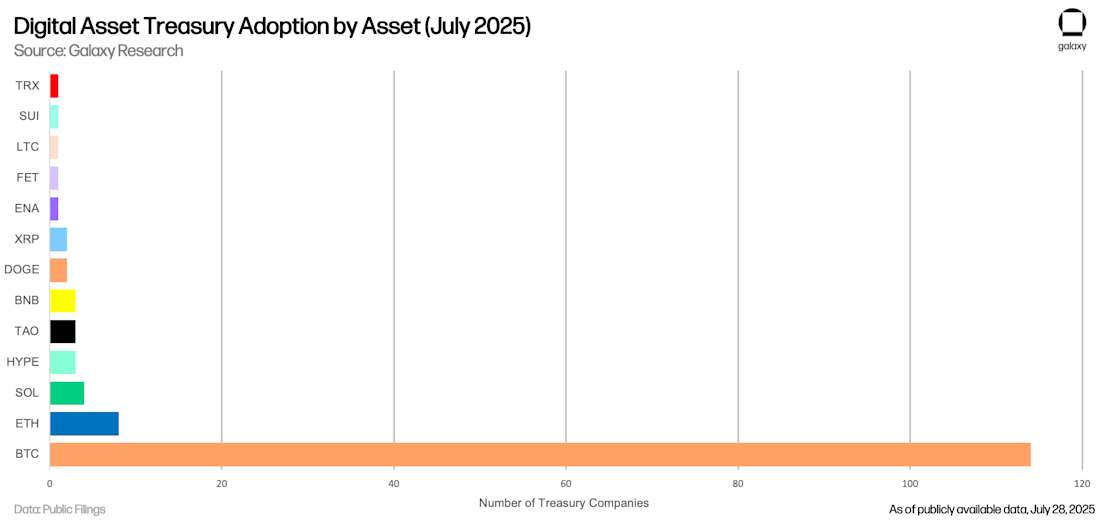
Regularly review market trends to adjust your treasury strategy. This includes monitoring interest rate movements, credit spreads, and currency fluctuations. Use this research to inform your asset allocation decisions and ensure your portfolio remains aligned with your long-term financial goals.



As an Amazon Associate, we may earn from qualifying purchases.
Treasury management focuses on optimizing the use of monetary assets, managing daily liquidity and risk, and ensuring sufficient cash reserves to sustain ongoing operations. By guaranteeing fund availability, treasury management enables the execution of strategic initiatives aimed at achieving the organization's goals. This structured approach ensures that your treasury is not just a cost center, but a value driver for your business.
Identify Weak Options in Treasury Strategy
Treasury management is often oversimplified as merely "keeping track of money." This vague framing can lead organizations to adopt weak, fragmented tools that fail to address liquidity risk or strategic goals. According to the ACT & AFP Guide to Treasury Technology, modern treasury functions have become significantly more complex, requiring integrated systems rather than disparate spreadsheets [src-serp-2].
Many strategies fall short because they prioritize low-cost software over functional depth. A common mistake is treating treasury as a back-office accounting task rather than a strategic asset management function. As defined by the Association for Financial Professionals, effective treasury management must actively optimize monetary assets and ensure sufficient cash reserves to sustain operations [src-serp-1].
When evaluating 2026 infrastructure, look for platforms that offer real-time liquidity visibility and automated risk hedging. Avoid solutions that require manual data reconciliation or lack integration with core banking APIs. The cost of weak options often exceeds the price of advanced tools when considering operational inefficiencies and missed yield opportunities.
Based treasury: what to check next
Treasury management focuses on optimizing the use of monetary assets, managing daily liquidity and risk, and ensuring sufficient cash reserves to sustain ongoing operations. By guaranteeing fund availability, treasury management enables the execution of strategic initiatives aimed at achieving the organization's goals [src-serp-1].
For those new to the field, think of treasury management as the organization’s financial nervous system. It doesn’t just track where money is; it actively positions capital to absorb shocks and fund growth. Without this oversight, even profitable companies can face liquidity crises.
Understanding these fundamentals helps clarify why infrastructure and market research are not optional extras but core components of a resilient financial strategy.
No comments yet. Be the first to share your thoughts!