Defining the modern based treasury
The era of passive holding is over. In 2026, a "based" treasury is no longer defined by the sheer volume of assets sitting in a cold wallet, but by the efficiency of its yield-generating infrastructure. Traditional treasury management focuses on preserving capital through conservative liquidity management, but the on-chain landscape demands active deployment. A based treasury prioritizes protocol token stability and consistent yield over speculative exposure.
This shift requires treating treasury operations as a continuous loop of optimization rather than a static storage solution. According to industry standards, treasury management involves the strategic oversight of financial assets and liabilities to meet specific organizational goals iongroup.com. In the context of decentralized protocols, this means ensuring that every unit of capital contributes to the network's security and sustainability without introducing excessive volatility risk.
The distinction lies in the operational mindset. Reactive decision-making often leads to scrambling for liquidity when market conditions shift, a common pitfall for treasuries lacking robust forecasting trovata.io. A based treasury leverages real-time data and advanced analytics to anticipate these shifts, maintaining a balanced ledger that supports both immediate operational needs and long-term protocol health.
Ultimately, being "based" is about resilience through yield. It is the difference between hoarding resources and deploying them to strengthen the ecosystem. This approach transforms the treasury from a passive vault into an active engine of value, ensuring that the protocol remains solvent and competitive regardless of broader market trends.
Yield optimization strategies for 2026
Treasury management has shifted from simple cash preservation to active yield generation. In 2026, the "Based Treasury" approach relies on integrating traditional stability with decentralized finance mechanisms. This strategy requires a disciplined selection of yield sources, balancing risk-adjusted returns against operational complexity.
The foundation of this strategy is understanding the distinct roles of different yield-generating assets. Stablecoins offer predictable, albeit lower, yields through lending protocols, while native tokens provide higher returns through staking but carry volatility risks. Liquidity provision adds another layer, offering fees from trading pairs but exposing capital to impermanent loss. Treasuries must allocate capital across these buckets based on their specific risk tolerance and liquidity needs.
Effective forecasting is critical to this process. Without robust scenario planning, treasurers can be forced into reactive decision-making, scrambling for liquidity solutions at unfavorable terms. Integrating real-time data with advanced analytics allows for proactive adjustments to yield strategies, ensuring that capital is always deployed efficiently. This proactive stance transforms treasury management from a passive function into a strategic asset.

To contextualize potential returns, it is essential to monitor live market data. The following widget displays current price and yield metrics for major stablecoins, providing a real-time benchmark for yield optimization strategies.
Essential treasury infrastructure tools
Managing a Based Treasury requires more than just holding assets; it demands a secure, efficient operational backbone. In a high-stakes environment, the software and multisig solutions you choose dictate your ability to react to volatility and maintain liquidity. The right infrastructure acts as the central nervous system of your treasury, ensuring that every transaction is verified, recorded, and executed without unnecessary friction or risk.
Choosing the wrong tool can lead to reactive decision-making, forcing you to scramble for liquidity solutions at unfavorable terms. Effective treasury management relies on integrating real-time data with advanced analytics, allowing you to forecast scenarios rather than just reacting to them. Below is a comparison of the core software categories and multisig standards required to build a resilient treasury stack.
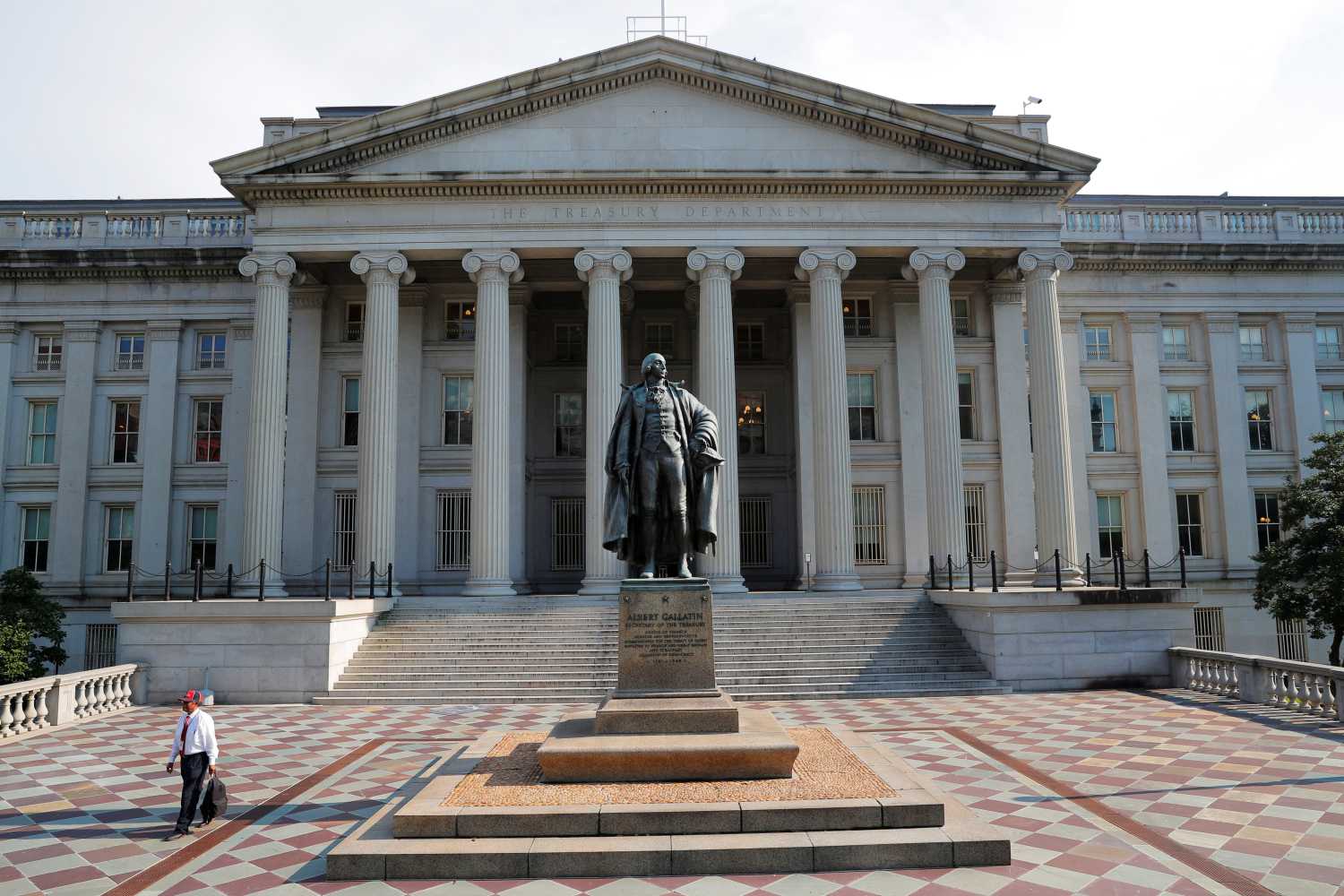
Comparing Treasury Management Solutions
The table below outlines the key distinctions between common treasury management approaches, focusing on security, ease of use, and integration capabilities. Selecting the right combination depends on your specific risk tolerance and operational volume.
Hardware and Physical Security
For physical security and hardware wallet management, consider using dedicated hardware devices to store private keys offline. These tools provide an additional layer of protection against digital threats. When selecting hardware, prioritize devices with established reputations for security and open-source firmware.


As an Amazon Associate, we may earn from qualifying purchases.
Analyzing Market Conditions and Managing Risk
Treasury management is the strategic management of an organization's financial assets, liabilities, and liquidity to achieve specific goals. In the current market, this means looking beyond simple balance sheets to understand how macroeconomic shifts impact your underlying assets. The 2026 landscape for Based Treasuries requires a shift from passive holding to active risk mitigation.
Navigating Volatility with Data
Understanding recent price action is essential for any treasury strategy. The chart below illustrates the volatility patterns relevant to major treasury assets, helping you gauge entry and exit points based on real-time market behavior rather than historical averages.
Diversification and Hedging Strategies
Relying on a single asset class leaves a treasury exposed to sudden devaluations. Effective forecasting and scenario planning require integrating real-time data with advanced analytics to avoid reactive decision-making. Without this, treasurers are often forced into scrambling for liquidity solutions at unfavorable terms.
To mitigate this, consider the following approaches:
- Inflation Protection: Instruments like Treasury Inflation-Protected Securities (TIPS) adjust their principal value based on the Consumer Price Index. While traditionally used for fiat, similar index-linked stablecoins are emerging in the Based Treasury space to preserve purchasing power during high-inflation periods.
- Asset Diversification: Spread exposure across different asset classes. For example, holding a mix of stablecoins, tokenized real-world assets (RWA), and liquid crypto assets can smooth out volatility.
- Hedging Mechanisms: Use decentralized finance (DeFi) protocols to hedge against downside risk. Options and futures markets on-chain allow treasuries to lock in prices, protecting against sudden market drops.
The Role of Technology
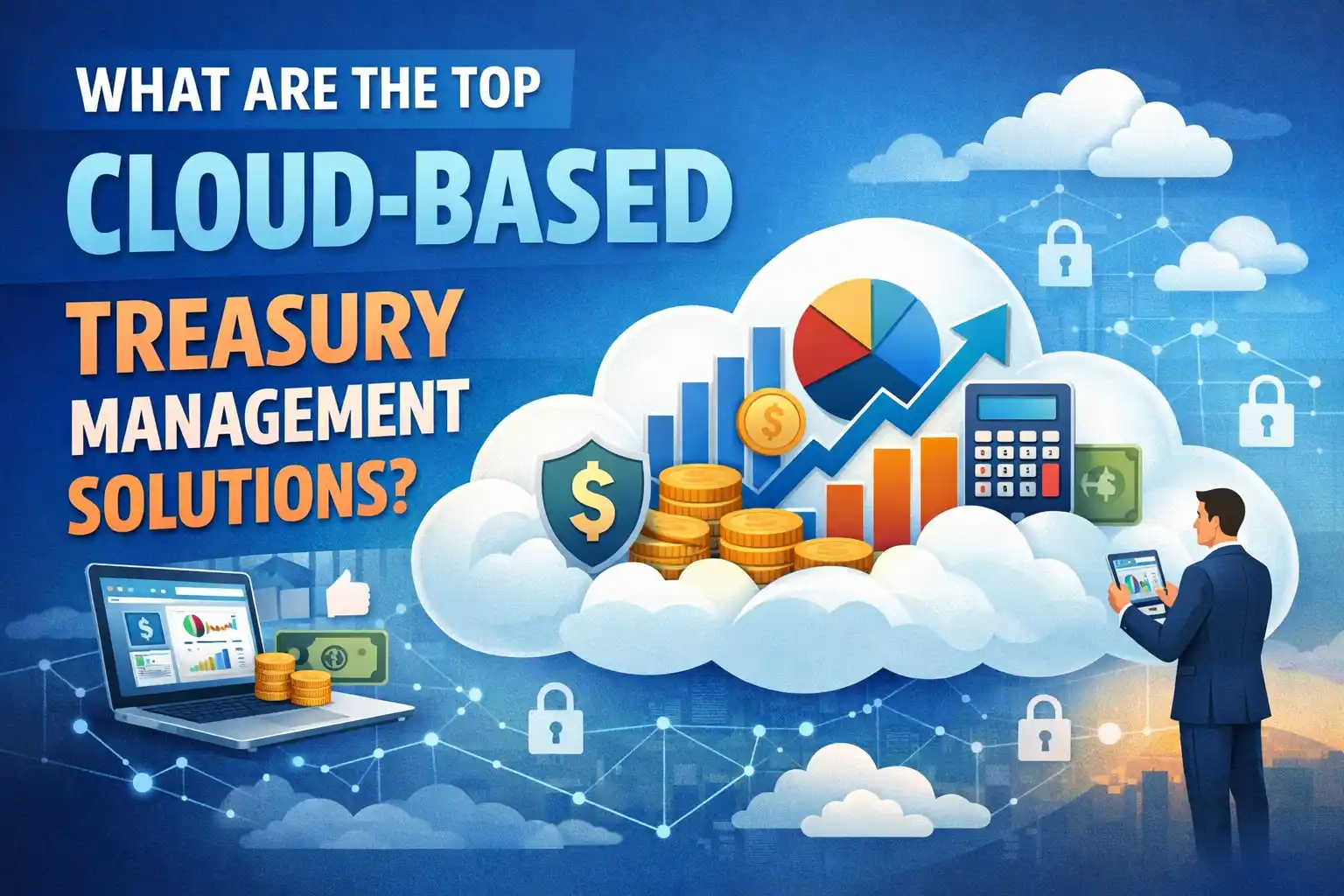
Modern treasury management relies on cloud-based systems that provide real-time visibility into asset performance. These tools enable treasurers to monitor liquidity positions, automate rebalancing, and execute trades with minimal latency. The image below shows a typical cloud-based treasury management interface, highlighting the importance of user-friendly dashboards for complex financial operations.
By combining robust data analysis with strategic diversification, organizations can build treasuries that are resilient to market shocks. The goal is not just to preserve capital, but to ensure that liquidity is always available when needed, regardless of market conditions.
Common Treasury Management Mistakes
Even with robust infrastructure, treasury teams often stumble on foundational planning errors. The most frequent pitfall is poor cash forecasting. Without accurate, real-time data integration, treasurers are forced into reactive decision-making. This reactive stance often leads to scrambling for liquidity solutions under pressure, typically at higher costs or less favorable terms than strategic planning would allow.
Lack of liquidity planning compounds this issue. Treasuries must maintain enough accessible capital to meet short-term obligations without disrupting operations. When liquidity buffers are insufficient or misallocated, even temporary market fluctuations can trigger solvency concerns or expensive emergency borrowing. Effective scenario planning requires integrating live data with advanced analytics to anticipate these gaps before they become critical.
To avoid these traps, treat forecasting as a continuous process rather than a periodic exercise. Regularly stress-test your liquidity assumptions against various market scenarios. This proactive approach ensures that your treasury remains resilient, allowing you to make strategic moves rather than emergency fixes when market conditions shift.
Frequently asked questions about based treasuries
What are the most common treasury management mistakes?
The most frequent error is poor cash forecasting, which forces treasurers into reactive decision-making. This reactive stance often leads to scrambling for liquidity solutions under pressure, typically at higher costs or less favorable terms than strategic planning would allow. To avoid this, treasuries must maintain accurate, real-time data integration and conduct regular stress tests against various market scenarios.
How do I ensure regulatory compliance for a based treasury?
Compliance hinges on strict adherence to official guidelines from primary sources like the Association for Financial Professionals (AFP). Their guides provide case studies and practitioner insights that help structure treasuries within legal boundaries, reducing audit risk. Relying on these authoritative sources ensures your treasury operations remain transparent and compliant with evolving regulations.
What tools are essential for treasury infrastructure?
Modern treasury infrastructure relies on provider-backed tools for accurate market visibility. Using live widgets for price tracking and technical charts helps monitor asset performance in real-time. This data-driven approach replaces static estimates, allowing for more precise decision-making and risk management. Key components include multisig wallets for security and cloud-based dashboards for real-time liquidity monitoring.
No comments yet. Be the first to share your thoughts!