Defining the based treasury approach
A based treasury strategy is a high-conviction, yield-focused approach to digital asset management that actively generates returns rather than passively accumulating assets. In crypto, "based" signals a commitment to real yield—returns derived from actual network activity and protocol utility—rather than speculative price appreciation alone. This method treats digital assets as core treasury holdings with an explicit mandate to produce sustainable cash flow.
Unlike traditional passive holding (HODLing), which relies solely on market cycles for value realization, a based treasury prioritizes active yield generation. This involves deploying assets into staking, lending, or liquidity provision mechanisms where the underlying protocol distributes rewards. The goal is to build a treasury that supports itself through operational income, reducing reliance on external capital injections or asset sales to fund operations.
This approach requires rigorous due diligence to ensure the yield sources are sustainable and not merely inflationary token emissions. By anchoring treasury decisions in verified protocol activity, organizations can create more resilient financial structures that withstand market volatility. The emphasis is on quality of yield over quantity, ensuring that the returns generated are backed by genuine economic demand within the ecosystem.
Core infrastructure for a based treasury
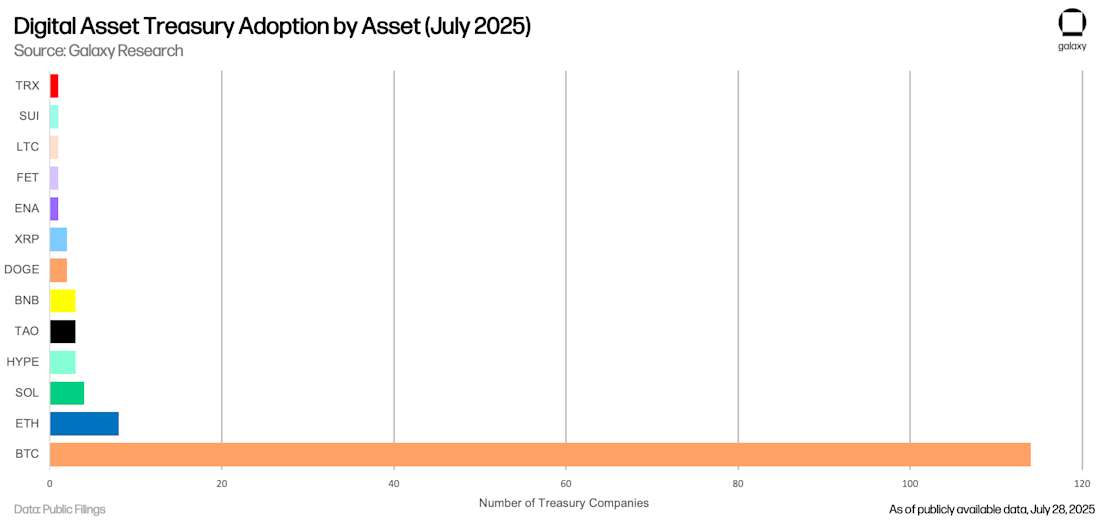
A based treasury strategy requires more than just buying Bitcoin; it demands a technical stack that balances high-conviction yield with institutional-grade security. The infrastructure must support three pillars: secure custody, automated execution, and continuous risk monitoring. Without this foundation, exposure to volatility or operational failure can quickly erode the treasury's value.
Custody and Security
Secure storage is the bedrock of any digital asset treasury. Public companies and sophisticated entities typically rely on multi-signature wallets or institutional-grade custodians to mitigate single points of failure. Deloitte notes that effective mitigation strategies involve incorporating robust treasury controls and ensuring the organization has the correct system automation to manage these assets Deloitte. This means moving away from simple hot wallets and adopting solutions that require multiple cryptographic keys for transactions, thereby reducing the risk of unauthorized access.
Automated Execution and Sweeps
Once assets are secured, the next layer involves automated execution. Manual rebalancing is prone to human error and latency, which can be costly in volatile markets. Automated cash sweeps and yield aggregation protocols allow the treasury to deploy idle capital efficiently. These systems can automatically move funds between stablecoins, lending protocols, or staking contracts to capture the best available yield without constant manual intervention. This automation is critical for maintaining the "based" nature of the treasury, ensuring that every satoshi is working toward the long-term goal.
Risk Management and Monitoring
Finally, continuous risk monitoring ensures that the treasury remains aligned with its strategic priorities. This involves tracking not just price movements but also smart contract risks, protocol solvency, and liquidity constraints. DWF Labs highlights that public firms allocating billions into crypto must carefully structure these strategies to withstand market cycles DWF Labs. Effective monitoring tools provide real-time alerts on exposure levels, allowing the treasury team to adjust positions before risks become critical.

Asset Context
Understanding the underlying asset's price action is essential for timing treasury deployments. The following chart illustrates the recent performance of Bitcoin, the primary reserve asset for most based treasuries.
Comparing treasury tool stacks
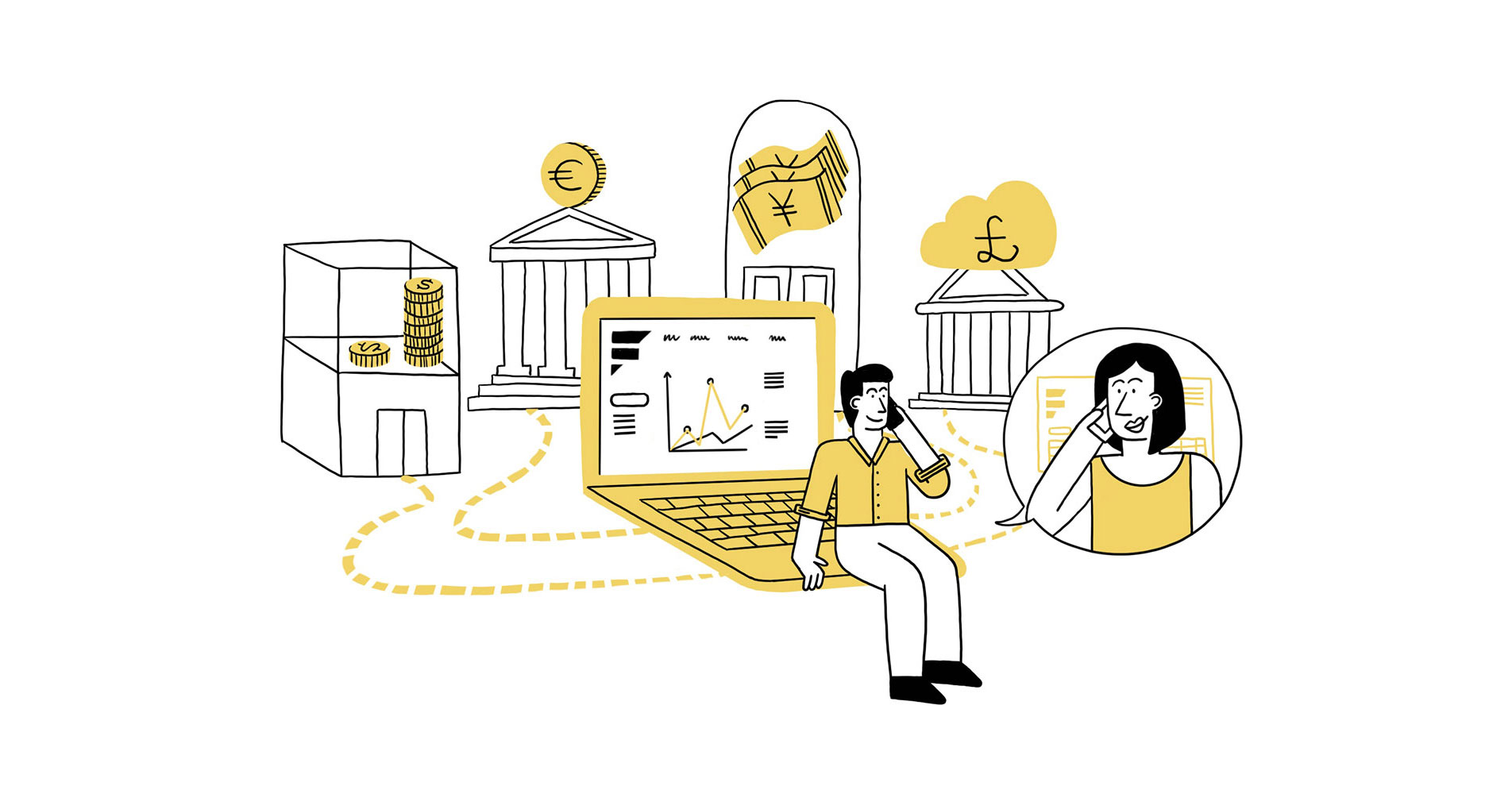
Your treasury stack is the engine room. It handles incoming payments, investments, debt, and financial risks to keep operations running and strategic priorities funded [src-serp-5]. For a based strategy, you need tools that offer high-conviction yield without sacrificing security or liquidity. The market offers three main categories: custody solutions, yield aggregators, and analytics platforms. Each plays a distinct role in your workflow.
Custody, Yield, and Analytics
Custody is your vault. It secures the principal. Yield tools grow the principal. Analytics tell you if you are winning. A robust stack combines all three, ensuring you are not just making money, but keeping it safe and visible.
| Feature | Custody Solutions | Yield Aggregators | Analytics Platforms |
|---|---|---|---|
| Primary Role | Asset security & access | Yield generation | Performance tracking |
| Key Metric | Security audits & uptime | APY & risk score | ROI & exposure |
| Risk Factor | Custodial risk | Smart contract risk | Data latency |
| Best For | Long-term holds | Active cash management | Strategic decision-making |
Evaluating Your Current Stack
Most teams start with a single platform that tries to do everything. This creates a single point of failure. A better approach is to specialize. Use a regulated custodian for your core treasury. Use a yield aggregator for idle cash. Use an analytics platform to see the full picture. This separation of duties reduces risk and improves clarity.
| Feature | Custody | Yield | Analytics |
|---|---|---|---|
| Security | High | Medium | Low |
| Yield Potential | Low | High | N/A |
| Data Visibility | Low | Medium | High |
| Complexity | Medium | High | Medium |
The Based Approach
A based treasury strategy prioritizes transparency and control. It avoids opaque products and hidden fees. It uses tools that provide real-time data and clear risk metrics. By comparing your current stack against these standards, you can identify gaps and optimize for long-term sustainability [src-serp-2].
Market research and yield sources
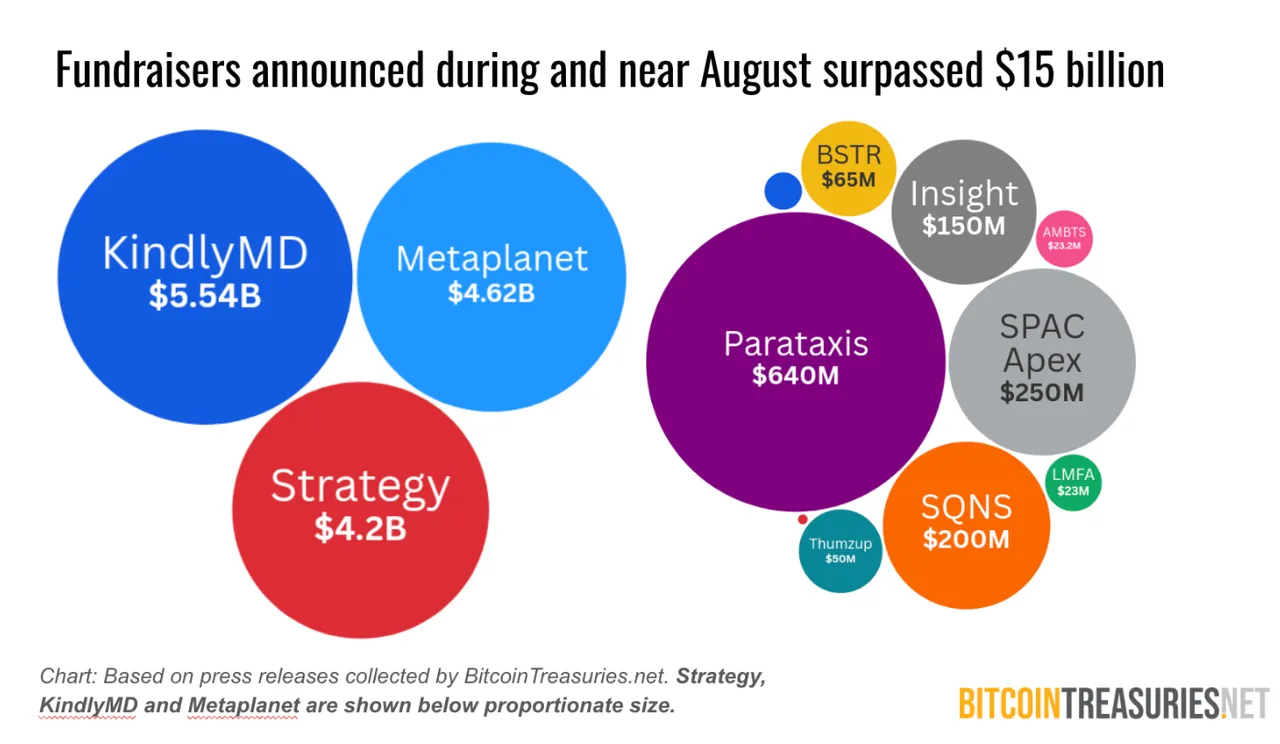
The first step in building a based treasury is separating sustainable yield from inflated APYs. Many protocols advertise double-digit returns, but these numbers often rely on token emissions that will eventually dry up. A true based strategy prioritizes assets backed by real economic activity, such as cash flow from lending or fees from trading volume.
To identify these sources, you need to look at the underlying mechanics of the yield. Is it coming from stablecoin interest, DeFi lending rates, or liquid staking derivatives? Research the protocols offering these yields. Check their total value locked (TVL), audit history, and revenue reports. If a protocol cannot clearly explain where the yield comes from, it is likely a Ponzi-nomics scheme rather than a sustainable investment.
Focus on assets that generate yield even during bear markets. U.S. Treasuries and high-grade corporate bonds provide a baseline of safety and predictable returns. In the crypto space, look for protocols that distribute fees from actual usage, such as lending platforms or decentralized exchanges. These yields are harder to manipulate and more likely to persist over time.
Avoid chasing the highest APY on aggregator sites. These numbers are often temporary incentives designed to attract liquidity. Instead, build a diversified portfolio that mixes stable, low-risk assets with higher-yield opportunities. This approach reduces risk while still capturing the upside of the market.
Risk management and compliance
A based treasury isn't just about chasing yield; it's about ensuring that yield actually survives. You can have the highest conviction in your strategy, but if a smart contract gets drained or a regulatory hammer drops, your treasury is gone. The goal is to build a fortress that allows you to sleep at night while the market moves.
Before deploying any capital, you need to know exactly what you're interacting with. This means getting professional audits from reputable firms for every protocol you use. Don't rely on community hype or a single review. Treat your treasury like a bank vault; you wouldn't leave the door open because a friend said the lock was "probably fine."
Never keep your entire treasury in one stablecoin. Even the most "pegged" assets can de-peg during extreme market stress. Spread your holdings across at least two or three major stablecoins (like USDC and USDT) and consider a portion in on-chain government bonds or tokenized treasuries for stability. This reduces single-point failure risk.

Compliance isn't optional. Stay updated on how agencies like the SEC or local governments interpret treasury activities. The Government Finance Officers Association (GFOA) emphasizes that proper risk management includes compliance with investment objectives and regulations. Ignorance of the law isn't a defense when it comes to treasury funds.
Use multi-signature wallets with time locks for large transactions. This gives your team a window to react if a wallet is compromised. It adds friction to malicious actors and prevents accidental large transfers. Think of it as a safety buffer that buys you time to assess and mitigate threats.
| Risk Type | Mitigation Strategy |
|---|---|
| Smart Contract Exploit | Professional audits & bug bounties |
| Stablecoin De-peg | Multi-stablecoin diversification |
| Regulatory Action | Legal counsel & compliance monitoring |
| Key Compromise | Multi-sig & time locks |
By following these steps, you're not just managing money; you're managing risk. This approach ensures your based strategy remains robust, compliant, and ready for whatever 2026 throws at it.
Frequently asked: what to check next
What is a treasury strategy?
A treasury strategy is the framework an organization uses to manage its cash flows, investments, and borrowings. Its primary goal is to ensure financial sustainability while supporting broader strategic priorities. As noted by ARLING Close, this involves balancing liquidity needs with yield generation to maintain operational stability.
How does a "based" treasury strategy differ from traditional methods?
Traditional treasury strategies often prioritize safety and liquidity above all else, typically holding assets in cash or low-yield government securities. A "based" treasury strategy, as seen in modern corporate digital asset adoption, treats high-conviction yield as a core component rather than an afterthought. According to DWF Labs, public companies are increasingly allocating significant capital into crypto assets to capture this yield, shifting from passive holding to active strategic deployment.
Is this approach suitable for all organizations?
No. A based treasury strategy carries higher risk and requires robust internal controls. Deloitte emphasizes that successful adoption depends on incorporating strict treasury controls, ensuring the right human capital, and automating systems to monitor exposure. It is best suited for organizations with sufficient liquidity buffers and a clear risk tolerance framework.
What are the first steps to implementing this strategy?
Start by auditing your current cash position and identifying idle capital that can be deployed without risking operations. Next, define your risk parameters and select a diversified set of high-conviction yield sources. Finally, implement automated monitoring tools to track performance and mitigate risks in real-time, as recommended by Kyriba for strategic treasury teams.
Helpful gear
Use these product recommendations as a starting point, then choose the size, material, and price point that fit how you actually use the gear.


As an Amazon Associate, we may earn from qualifying purchases.
No comments yet. Be the first to share your thoughts!