The based treasury limits to account for
Treasury management is the strategic management of an organization's financial assets, liabilities, and liquidity to achieve specific goals. For institutional players, this means moving beyond simple cash hoarding to active optimization of monetary assets. The core constraint of a "Based" treasury is not just holding value, but ensuring sufficient cash reserves to sustain ongoing operations while executing strategic initiatives.
This approach focuses on optimizing the use of monetary assets and managing daily liquidity risk. By guaranteeing fund availability, treasury management enables the execution of strategic initiatives aimed at achieving the organization's goals. It is a discipline that requires precise alignment between short-term operational needs and long-term asset allocation.
Managing treasury has become more complex in recent years. Institutions must navigate volatile markets while maintaining strict liquidity buffers. The challenge lies in balancing yield generation with the imperative of capital preservation. A robust Based treasury strategy treats liquidity not as idle cash, but as strategic ammunition ready for deployment.
Based treasury choices that change the plan
Choosing a base asset for corporate or institutional treasury reserves is not a generic liquidity decision; it is a structural bet on the future of digital settlement. While traditional cash and short-term government bills offer stability, they often suffer from negative real yields in high-inflation environments. On-chain assets like USDC and USDT provide 24/7 accessibility and programmability, but they introduce counterparty, regulatory, and smart-contract risks that do not exist in traditional banking.
To evaluate these tradeoffs, institutions must look beyond simple APY comparisons. The decision hinges on three concrete factors: regulatory resilience, settlement finality, and operational complexity. A comparison table below breaks down the primary attributes of the leading options.
| Asset Class | Yield Profile | Primary Risk | Access & Liquidity |
|---|---|---|---|
| US Treasuries | Market-driven (T-bills) | Interest rate & inflation | T+1 settlement, banking hours |
| USDC (Circle) | Variable (money market) | Regulatory & reserve transparency | 24/7, instant on-chain |
| USDT (Tether) | Variable (money market) | Counterparty & regulatory | 24/7, instant on-chain |
| Traditional Savings | Low (FDIC insured) | Inflation erosion | T+1 settlement, banking hours |
Regulatory and Legal Clarity
The most significant differentiator is the legal status of the reserve asset. US Treasuries are backed by the full faith and credit of the US government, offering the highest degree of legal certainty. In contrast, stablecoins like USDC are issued by private entities. While Circle has improved transparency by providing monthly attestations, the regulatory landscape for stablecoins is still evolving. Institutions must assess whether their legal counsel is comfortable with the current framework for holding digital assets as legal tender reserves.
Operational and Technical Risk
Traditional treasury management relies on established banking rails with clear recourse mechanisms for errors or fraud. On-chain treasury management requires self-custody solutions or reliance on third-party custodians. This introduces smart contract risk—the possibility that code vulnerabilities could lead to fund loss. Additionally, the irreversible nature of blockchain transactions means that operational errors, such as sending funds to the wrong address, cannot be undone. Institutions must invest in robust internal controls and multi-signature wallets to mitigate these risks.
Liquidity and Settlement Speed
For businesses operating globally, the ability to move funds instantly is a competitive advantage. On-chain assets settle in minutes, regardless of weekends or holidays. Traditional banking systems often involve delays, especially for cross-border transfers. However, this speed comes with volatility in network fees (gas costs) and potential congestion during peak market hours. Institutions must factor in the cost and reliability of these transactions when modeling their cash flow needs.
How to build a based treasury framework
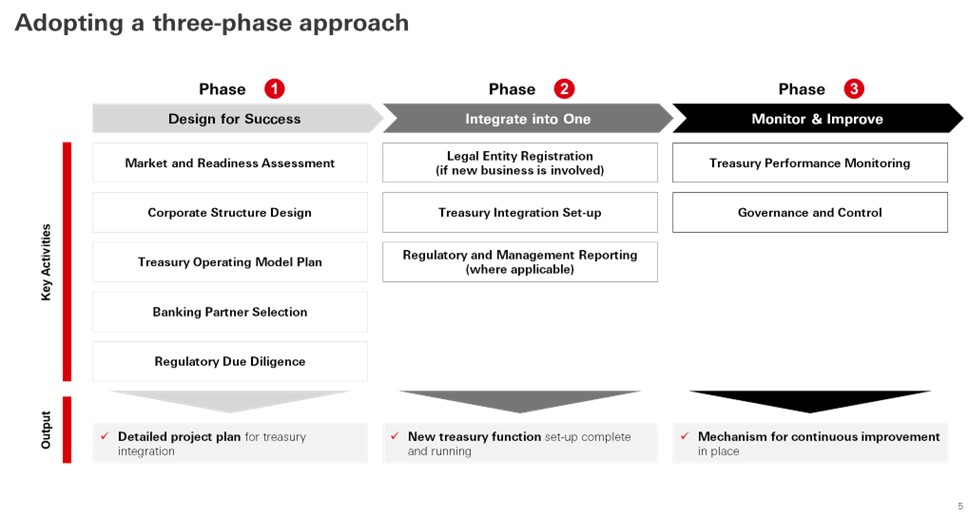
Treasury management is the strategic management of an organization's financial assets, liabilities, and liquidity to achieve specific goals. For institutional adoption of based treasuries, this means moving beyond simple cash preservation to active, risk-adjusted yield generation. The framework below outlines the practical steps to transition your treasury operations from traditional custodial models to a based architecture.

Start by mapping your operational cash needs against your investment timeline. Institutional treasuries must distinguish between immediate working capital and long-term reserves. Based treasury strategies often involve staking or locking assets for yield, which reduces immediate liquidity. Calculate the minimum cash buffer required for daily operations, then allocate only the surplus to based treasury instruments. This ensures you can meet payroll and vendor obligations without forced liquidation during market volatility.
Institutional adoption requires robust custody solutions that meet regulatory standards. Unlike self-custody wallets, institutional custodians provide multi-signature controls, insurance coverage, and audit trails. Evaluate providers based on their support for specific based treasury protocols and their ability to integrate with your existing ERP systems. The infrastructure must handle the complexity of managing both fiat and digital assets while maintaining strict compliance with anti-money laundering (AML) and know-your-customer (KYC) regulations.
Diversification is critical to mitigating the risk of any single protocol failure. Allocate your based treasury assets across multiple high-quality validators or lending protocols. This reduces exposure to single-point-of-failure risks while capturing yield from different sources. Consider a mix of liquid staking derivatives and fixed-term deposits to balance yield potential with flexibility. Regularly rebalance the portfolio to maintain the desired risk profile and ensure that yield generation aligns with your overall financial objectives.
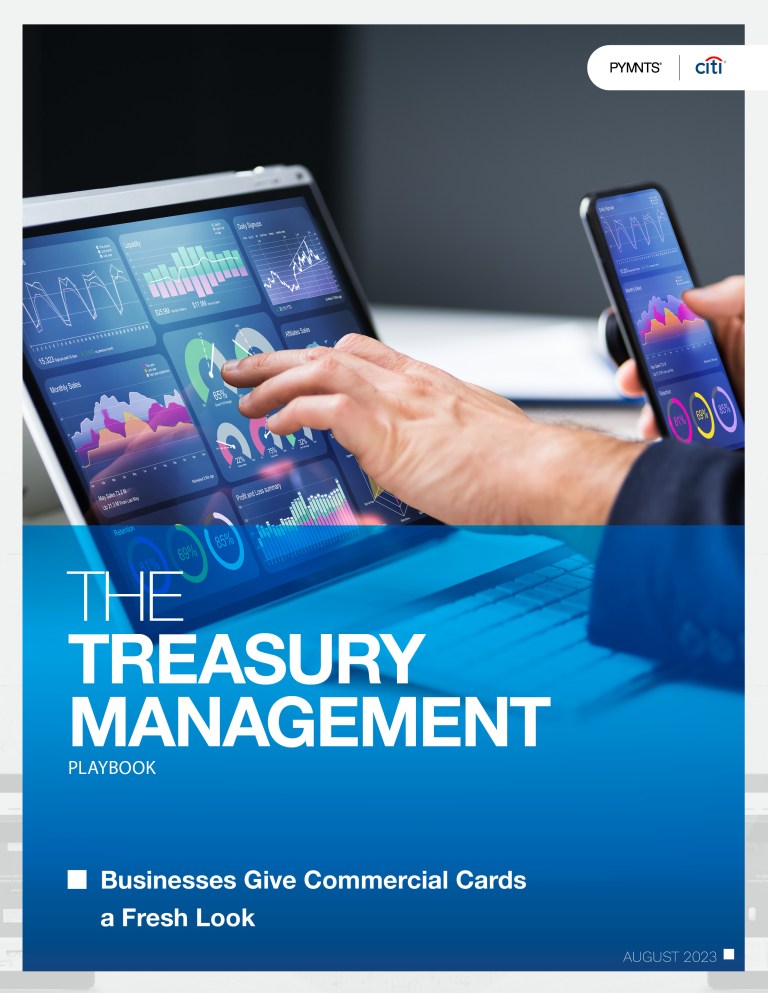
Real-time visibility into your treasury position is non-negotiable for institutional-grade management. Implement dashboards that aggregate data from all custodial and protocol sources. Monitor key metrics such as total value locked (TVL), yield rates, and exposure to smart contract risk. Automated reporting tools should generate compliance-ready reports for internal stakeholders and external auditors. This transparency builds trust with investors and regulators, demonstrating that your based treasury strategy is managed with the same rigor as traditional financial assets.
Spotting Misleading Claims in Treasury Strategies
Treasury management focuses on optimizing the use of monetary assets, managing daily liquidity and risk, and ensuring sufficient cash reserves to sustain ongoing operations [1]. However, the market is crowded with strategies that prioritize complexity over utility. Institutional players must distinguish between genuine risk mitigation and marketing fluff that obscures actual costs.
The "High Yield" Trap
Many pitches promise elevated returns by bundling short-term treasuries with derivatives or illiquid alternatives. While these structures may boost headline yields, they often introduce hidden counterparty risks and reduced liquidity during market stress. A true treasury strategy should prioritize capital preservation and immediate access to funds, not speculative upside. If the yield seems too good to be true, it likely is.
Over-Reliance on Automated Tools
Treasury technology has advanced significantly, with platforms now offering real-time visibility into cash positions [2]. Yet, automation is not a substitute for strategic oversight. Relying solely on algorithmic rebalancing without human review can lead to missed regulatory changes or misaligned liquidity needs. Tools should augment decision-making, not replace it. Regular audits of automated workflows are essential to catch errors before they become costly.
Ignoring Regulatory Shifts
Regulatory frameworks for digital assets and traditional treasuries are evolving rapidly. Strategies that ignore these shifts risk non-compliance, fines, or frozen assets. Always verify that your treasury infrastructure can adapt to new reporting requirements and custody standards. Staying compliant is not just a legal obligation; it is a core component of risk management.
[1] https://www.financialprofessionals.org/glossary/treasury-management [2] https://www.treasurers.org/ACTmedia/Guide_to_Treasury_Technology.pdf
Based treasury: what to check next
Before committing capital to tokenized treasuries, it helps to separate the mechanics of traditional cash management from the realities of blockchain infrastructure. This section addresses the practical objections that often delay institutional adoption.
These distinctions highlight why based treasuries are not just a digital copy of old methods, but a structural shift in how capital is secured and moved.
No comments yet. Be the first to share your thoughts!