Defining the based treasury approach
A based treasury strategy shifts the center of gravity for Web3 resilience away from traditional fiat stability and toward native asset control. In this model, an organization’s liquidity and long-term value are anchored in the protocol’s own token or core digital assets, rather than relying primarily on stablecoins or traditional market instruments. This approach prioritizes on-chain transparency and direct protocol-level governance, creating a tighter alignment between the entity’s survival and the health of the underlying blockchain ecosystem.
This distinction marks a fundamental departure from corporate treasury management as defined by traditional financial standards. As noted by Deloitte in their analysis of digital asset adoption, conventional treasury functions focus heavily on mitigation, monitoring, and human capital automation to protect fiat-based capital. A based treasury, by contrast, treats the native asset not just as a reserve, but as the primary instrument of sovereignty. It accepts the volatility inherent in crypto markets as a trade-off for higher potential upside and greater autonomy from traditional banking rails.
The implications for governance are significant. When a treasury holds native assets, it often holds voting power. This transforms the treasury from a passive vault into an active participant in the protocol’s evolution. Public companies and DAOs adopting this model are essentially betting on their own infrastructure. According to research from DWF Labs, public firms have allocated over $40 billion into crypto treasuries, with total holdings reaching $85 billion. This capital isn’t just sitting idle; it is deployed to secure network participation and influence strategic direction.
While this strategy offers resilience against institutional de-risking, it introduces new complexities. The treasury must navigate market cycles while maintaining operational liquidity. To understand the current market context for these native assets, it is essential to monitor real-time price action and technical indicators.
Core infrastructure layers for digital assets
A based treasury strategy relies on a technical stack that balances institutional-grade security with blockchain-native efficiency. The goal is to protect assets from single points of failure while maintaining the liquidity needed for operational agility. This infrastructure rests on three pillars: secure custody, multi-signature governance, and reliable oracle integrations.
Custody and Multi-Signature Governance
For high-stakes treasury management, self-custody is non-negotiable, but it must be structured to prevent unauthorized access. Multi-signature (multisig) wallets are the standard implementation, requiring multiple private keys to authorize transactions. This setup ensures that no single individual can move funds, effectively neutralizing insider threats and external hacking attempts.
Institutions often deploy hardware security modules (HSMs) or specialized custody solutions like Fireblocks or Anchorage Digital to store private keys in air-gapped environments. These systems integrate with multisig frameworks such as Gnosis Safe, allowing for complex transaction policies. For example, a treasury might require two out of five authorized signers for transactions under $100,000, and all five for larger amounts. This tiered approach aligns security controls with risk levels.
Image:

Oracle Integrations for Data Integrity
Treasury strategies often involve automated rebalancing or yield generation that depends on real-time market data. Oracles serve as the bridge between on-chain smart contracts and off-chain information, ensuring that treasury decisions are based on accurate, tamper-proof price feeds.
Using decentralized oracle networks like Chainlink is critical. These networks aggregate data from multiple sources, reducing the risk of manipulation that could occur with a single data provider. For a treasury holding volatile assets, reliable oracle integration ensures that automated liquidations or rebalancing triggers execute at fair market values, protecting the treasury from slippage and exploitation.
Monitoring and Volatility Management
Managing volatility is inherent to digital asset treasuries. A TechnicalChart of Bitcoin illustrates the magnitude of price swings that treasury strategies must withstand. Without robust infrastructure, these fluctuations can erode capital reserves or trigger unintended liquidations.
Deloitte notes that effective digital asset adoption requires "treasury controls" and "system automation" to mitigate risks (Deloitte, Treasury's trajectory amid digital assets adoption). This means your infrastructure must not only hold assets but also monitor them in real time. Automated alerts for unusual transaction patterns or oracle failures are essential components of a resilient treasury stack.
By integrating these layers—secure custody, multisig governance, and reliable oracles—you create a foundation that supports both security and operational flexibility. This technical backbone allows your treasury to remain resilient against market volatility and cyber threats.
Comparing treasury management tools
Choosing the right Web3 treasury platform is less about finding a feature checklist and more about matching your operational risk profile. A tool that excels at multi-chain liquidity management might lack the granular access controls needed for a DAO with strict governance requirements. To make an informed decision, we evaluate leading platforms across three critical dimensions: security architecture, reporting clarity, and integration flexibility.
The landscape has shifted from simple wallet aggregation to comprehensive financial operating systems. Modern tools now offer real-time reconciliation, automated compliance checks, and deep integration with DeFi protocols. Below, we break down how the top contenders stack up against each other.
| Platform | Security Focus | Reporting Capabilities | Integration Ease |
|---|---|---|---|
| Safe{Wallet} Multi-Sig | MPC & multi-sig with strict threshold rules | Basic transaction logs; external analytics required | High; widely supported by dApps and wallets |
| Fireblocks | Institutional-grade MPC-CVC with hardware isolation | Advanced audit trails and real-time P&L | Medium; API-first, requires development resources |
| Copper | Custodial and non-custodial hybrid with 24/7 monitoring | Comprehensive tax and compliance reporting | High; plug-and-play for enterprises and DAOs |
| Panda | Smart contract-based multi-sig with role-based access | Real-time dashboard with asset allocation views | High; seamless integration with common DeFi protocols |
Security and Access Controls
Security is the non-negotiable baseline. Institutional platforms like Fireblocks and Copper prioritize institutional custody standards, using Multi-Party Computation (MPC) to split private keys. This means no single point of failure. For decentralized autonomous organizations (DAOs), tools like SafeWallet and Panda offer more flexibility, allowing for complex multi-sig setups where transactions require approval from multiple stakeholders. When evaluating these tools, look for support for hardware security modules (HSMs) and clear role-based access controls (RBAC) to prevent internal fraud.
Reporting and Compliance
Web3 treasuries generate complex transaction histories that can be a nightmare for accounting. Traditional spreadsheets fail when dealing with cross-chain swaps, yield farming rewards, and gas fees. Enterprise-grade tools like Copper and Fireblocks offer automated reporting that maps on-chain activity to off-chain accounting standards. This reduces the risk of compliance errors and simplifies tax preparation. For smaller treasuries, platforms like Panda provide intuitive dashboards that visualize asset allocation in real time, helping you understand your exposure without needing a dedicated finance team.
Integration and Ecosystem Fit
The best treasury tool is the one your team actually uses. Integration ease depends heavily on your existing tech stack. If you are deeply embedded in the Ethereum ecosystem, SafeWallet offers the smoothest experience due to its widespread adoption. For teams requiring API-driven automation, Fireblocks provides robust developer tools. Copper sits in the middle, offering a user-friendly interface with strong API capabilities for those who want both ease of use and technical flexibility. Consider whether you need a plug-and-play solution or a customizable platform that can grow with your strategy.
Research assets for liquidity and regulatory safety
Treasury management starts with knowing what you own. Your goal isn't to chase the highest yield; it's to ensure the treasury can meet obligations without forced liquidation. This means prioritizing liquidity and regulatory clarity over short-term speculation.
Start by evaluating the asset's liquidity profile. Can you exit the position quickly without significant slippage? For Web3 treasuries, this often means sticking to large-cap assets with deep order books. Compare this against traditional benchmarks like U.S. Treasuries, which GMO notes prioritize for "liquidity and safety of principal" by backing investments in securities secured by the full faith and credit of the U.S. government [src-serp-1].
Next, assess regulatory status. Assets with clear legal standing reduce existential risk. Avoid tokens in regulatory gray areas where future enforcement could freeze assets or restrict transfers. Use provider-backed data to verify current market conditions rather than relying on historical highs.
Monitor market conditions with live data
Static data is dangerous. A snapshot from last month doesn't reflect today's volatility. Use live widgets to track the assets you hold. This provides a real-time view of valuation context, helping you make decisions based on current market reality rather than stale narratives.
For deeper analysis, look at the technical structure. Understanding support levels and volume trends helps you avoid buying into weakening momentum. The chart below shows recent price action, offering a visual cue for market health.
By combining liquidity checks, regulatory due diligence, and live market monitoring, you build a resilient foundation. This approach shifts the focus from guessing market direction to managing treasury risk effectively.
Risk management and compliance steps
Building a based treasury is less about finding the highest yield and more about ensuring the vault doesn’t open for the wrong key. In Web3, where code is law and regulation is still writing its own constitution, resilience comes from rigorous, layered security. You need to treat your treasury strategy with the same scrutiny as a sovereign wealth fund, blending smart contract audits with operational discipline.
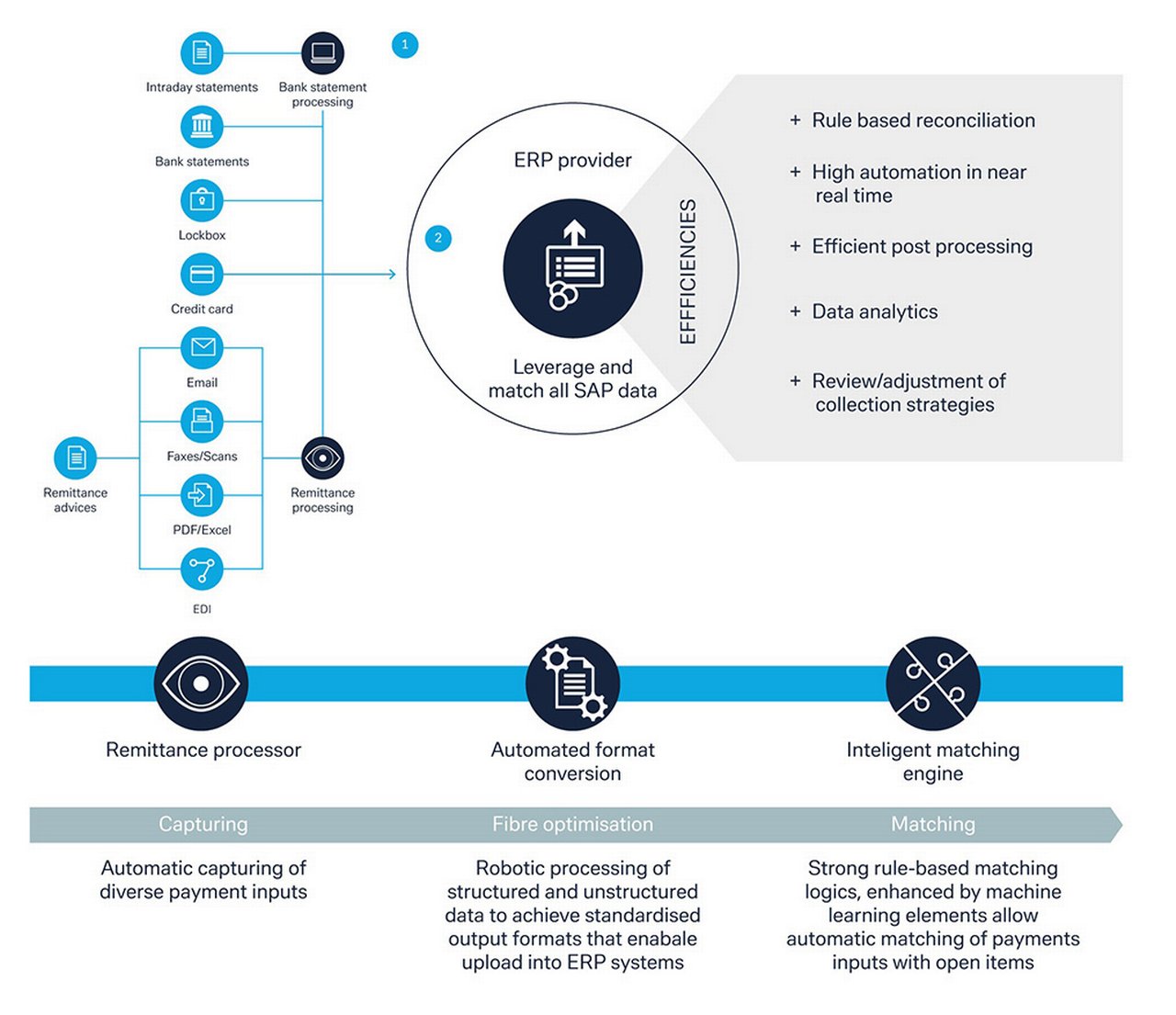
Before any capital moves, your treasury contracts must pass independent audits from reputable firms. This isn’t a formality; it’s the primary defense against exploits. Look for reports that detail specific vulnerabilities found and, more importantly, how they were patched. Treat the audit as a living document—re-audit whenever you introduce significant logic changes or new yield strategies.
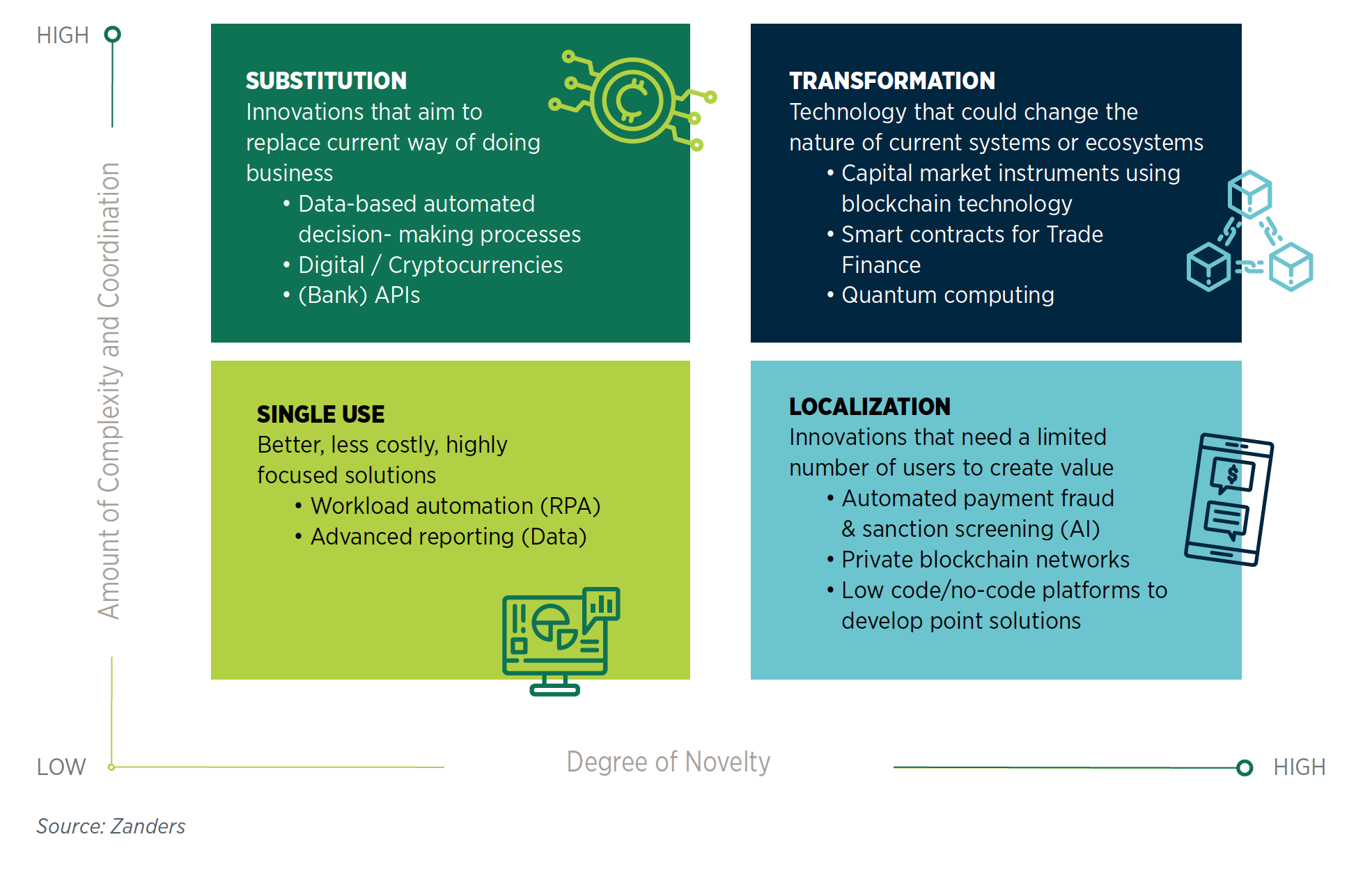
Never rely on a single private key. Implement a multi-signature wallet (like Gnosis Safe) requiring multiple distinct signers to approve transactions. This distributes power and prevents a single point of failure. Define clear thresholds for different transaction sizes; small operational expenses might need two signatures, while major capital reallocations should require a majority or unanimous consent from your treasury council.
The regulatory landscape for digital assets is shifting rapidly. Stay informed on SEC, CFTC, and international guidelines regarding treasury holdings. If your treasury holds stablecoins or tokenized securities, ensure you are meeting KYC/AML requirements where applicable. Compliance isn’t just about avoiding fines; it’s about maintaining the legitimacy and longevity of your protocol in the eyes of institutional partners.
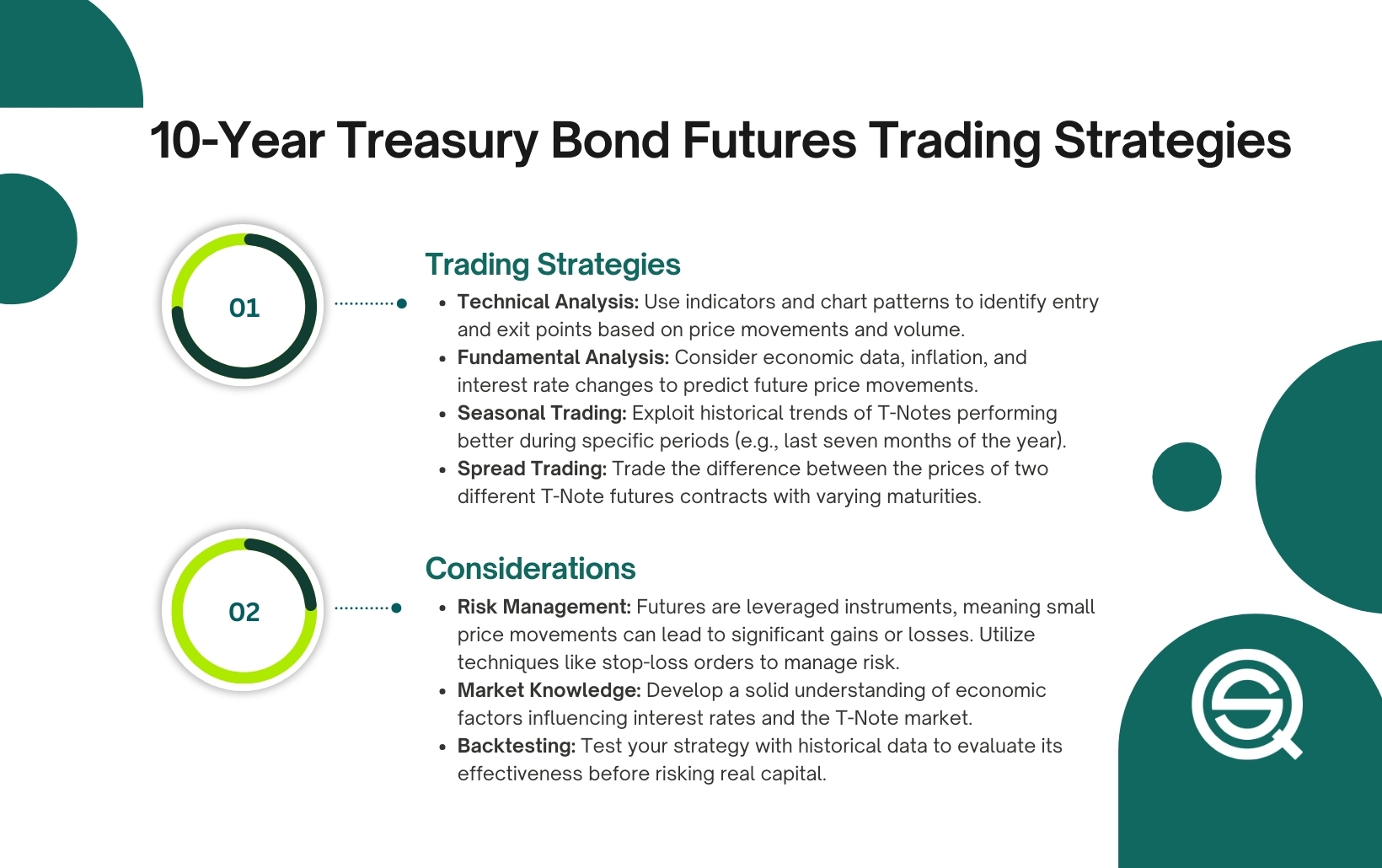
Conduct regular phishing simulations and access reviews for team members with treasury visibility. Use hardware wallets for cold storage and ensure private keys are never stored in plain text or cloud drives. Establish a clear incident response plan: if a key is compromised or a contract is flagged, know exactly who calls whom and how funds are frozen or moved to safety within minutes.
Treasury management in Web3 requires a balance of technical rigor and legal awareness. By following these steps, you build a fortress that can withstand both market volatility and regulatory scrutiny.
Frequently asked questions on treasury strategy
What are the 4 pillars of treasury management?
Traditional treasury management rests on four core pillars: liquidity management, financial risk management, funding and capital structure, and corporate governance. In a Web3 context, these map directly to maintaining stablecoin reserves, hedging against volatility, managing debt or token issuance, and enforcing strict internal controls. Organizations must ensure they have enough liquid assets to meet obligations while protecting the principal from market swings.
What is the treasury investment strategy?
A treasury investment strategy prioritizes safety and liquidity over high-yield speculation. The goal is to preserve capital while generating modest returns to offset operational costs. This typically involves allocating funds to low-risk instruments like U.S. Treasury bills or high-grade money market funds. For Web3 treasuries, this means balancing stablecoins with blue-chip assets like Bitcoin or Ethereum, ensuring that daily operations aren't jeopardized by market volatility.
Are treasury bonds still safe under Trump?
U.S. Treasury bonds remain backed by the full faith and credit of the United States government, making them one of the safest assets globally. While political rhetoric can influence short-term market sentiment, the structural integrity of the debt does not change with administration. Investors should focus on the issuer's creditworthiness rather than political cycles. For more on how institutional strategies view this safety, see the GMO US Treasury Strategy.
What does an XRP treasury mean?
An XRP treasury strategy involves holding XRP as a reserve asset, often for cross-border payments or liquidity provision. Unlike stablecoins, XRP is volatile, so its value fluctuates with market demand. Organizations using XRP must actively manage the risk of devaluation while leveraging its speed and low transaction costs. This approach is distinct from holding stablecoins, as it introduces significant price risk that requires active hedging or conversion strategies.
Helpful gear
Use these product recommendations as a starting point, then choose the size, material, and price point that fit how you actually use the gear.


As an Amazon Associate, we may earn from qualifying purchases.
No comments yet. Be the first to share your thoughts!