What is a based treasury?
A "based treasury" in Web3 refers to a protocol's strategy of holding core, high-quality assets—typically Ethereum (ETH) or stablecoins—to generate sustainable yield, rather than relying on token inflation to fund operations. This model prioritizes protocol-owned liquidity, ensuring the project has the financial runway to build and iterate without constantly selling its native governance token.
Traditional corporate treasury management focuses on optimizing cash reserves and managing risk to sustain ongoing operations [1]. In the Web3 context, this translates to treating ETH not just as a speculative asset, but as a productive capital base. Instead of burning treasury funds to pay for development, protocols deploy these assets into DeFi yield-generating strategies, creating a self-sustaining economic loop.
This approach distinguishes itself from legacy models by removing the pressure to constantly issue new tokens. By anchoring the treasury in assets with inherent utility and yield potential, protocols can align long-term incentives with their users and developers.
Core infrastructure for treasury management
A based treasury guide must address the technical and organizational layers that keep digital assets safe and compliant. Without a robust infrastructure, even the best yield strategies fail under operational risk or security breaches. This section outlines the essential tools required to manage a treasury effectively in a decentralized environment.
Multisig Wallets and Governance Tools
Security begins with access control. Multisignature (multisig) wallets require multiple private keys to authorize transactions, preventing single points of failure. For a based treasury, this often involves combining hardware wallets with multisig protocols like Gnosis Safe. Governance tools then translate these security controls into decision-making processes, allowing stakeholders to propose, vote on, and execute treasury moves transparently.
Compliance and Reporting Frameworks
Treasury management focuses on optimizing the use of monetary assets while managing daily liquidity and risk. In the crypto space, this means integrating compliance frameworks that track transaction history and adhere to regulatory standards. Official sources emphasize that designing a treasury management system requires clear policies for audit trails and risk assessment to ensure sufficient cash reserves and operational sustainability.

Monitoring and Yield Tracking
Effective treasury infrastructure relies on real-time monitoring. A TechnicalChart of major stablecoin yields or ETH-based strategies helps treasury managers visualize performance trends and adjust allocations accordingly. This data-driven approach ensures that the treasury remains aligned with its strategic goals, balancing safety with yield generation.
Essential tools for yield and liquidity
Managing a based treasury isn't just about holding assets; it's about making them work. In 2026, the infrastructure for yield and liquidity has matured, offering institutions and sophisticated operators a suite of specialized tools. These platforms bridge the gap between traditional cash management and on-chain efficiency, ensuring your treasury remains liquid while capturing yield.
Automated cash pooling and netting
Treasury management software (TMS) has evolved from simple ledger tracking to automated liquidity optimization. Modern platforms use algorithms to pool cash across subsidiaries and net intercompany transactions in real time. This reduces the amount of idle capital sitting in low-yield accounts and minimizes external borrowing costs. For a based treasury, this means your stablecoin reserves can be aggregated and deployed more efficiently, reducing fragmentation.
On-chain yield aggregators
For digital assets, yield aggregators act as smart contract-based vaults that automatically allocate capital across lending protocols, liquidity pools, and staking mechanisms. Instead of manually rebalancing positions, your treasury delegates this task to the protocol. These tools are essential for maximizing returns on idle USDC or USDT, though they require careful due diligence regarding smart contract risk and impermanent loss. They represent the "yield-bearing" core of a modern based treasury stack.
Tokenized treasury bills (T-Bills)
The integration of traditional finance assets into the blockchain ecosystem has created a new category of yield-bearing instruments. Tokenized T-Bills allow treasuries to hold short-term US government debt directly on-chain. This provides the safety and yield of traditional treasuries with the liquidity and settlement speed of crypto. It is a critical tool for maintaining a "risk-free" baseline in your yield strategy, bridging the gap between fiat stability and digital accessibility.
Real-time liquidity dashboards
Visibility is the foundation of liquidity management. Advanced treasury dashboards aggregate data from multiple banks, exchanges, and DeFi protocols into a single view. These tools provide real-time insights into cash positions, upcoming obligations, and yield performance. Without this unified view, treasuries risk liquidity shortages or missed yield opportunities. The ability to see your entire financial footprint in one place is non-negotiable for active treasury management.

Comparison of yield strategies
Choosing the right tool depends on your risk tolerance and liquidity needs. The table below compares common strategies available in 2026.
| Strategy | Risk Level | Est. APY | Liquidity |
|---|---|---|---|
| Tokenized T-Bills | Low | 4.5-5.5% | None (Secondary Market) |
| Stablecoin Lending | Medium | 5-8% | Instant |
| Liquidity Pooling | High | 8-15% | Variable |
How to conduct market research and risk assessment
Building a robust based treasury guide starts with rigorous due diligence. You aren't just looking for yield; you're looking for safety and reliability. In a high-stakes environment, assumptions are liabilities. You need to ground your decisions in official data and primary sources, not third-party speculation. This approach minimizes exposure to hidden risks and ensures your treasury strategy remains resilient against market volatility.
Use official sources for primary data
Start with the U.S. Treasury and the Bureau of the Fiscal Service. These entities provide the most accurate reference data on government securities, auction results, and fiscal operations. The USSGL (U.S. Standard General Ledger) offers a uniform chart of accounts that standardizes federal agency accounting, providing a clear benchmark for how public funds are managed and reported. Relying on these primary sources ensures your analysis is based on verified facts rather than interpreted estimates.
Analyze yield curves and basis points
Treasury yields move in basis points, where one basis point equals 0.01%. Understanding these small shifts is critical for assessing interest rate risk. A 50 basis point change might seem minor, but it significantly impacts the present value of long-term holdings. Monitor the yield curve to identify inversion points, which often signal economic slowdowns. This data helps you time your entries and exits, protecting your treasury from sudden rate shocks.
Assess liquidity and operational risk
Treasury management focuses on optimizing monetary assets and managing daily liquidity. Ensure your strategy includes sufficient cash reserves to sustain ongoing operations during market stress. Review practical guides from financial professional organizations to understand current resilience strategies. These resources highlight key issues affecting treasury functions, helping you build organizational strength against uncertainty.
Leverage provider-backed widgets for real-time data
Static data quickly becomes obsolete in treasury management. Use live widgets to track current treasury yields and market trends in real time. This allows you to react swiftly to market changes, ensuring your based treasury guide remains relevant and effective. By integrating real-time data into your research, you maintain a competitive edge and make informed decisions based on current market conditions.
How to set up your based treasury
Building a based treasury requires a structured approach to liquidity and yield generation. This workflow guides you through the essential steps for implementation, ensuring your assets are secure and productive.
Security is the foundation of any treasury. Deploy a multi-signature wallet (such as SafeWallet) to govern fund access. Require multiple independent keys to authorize transactions, preventing single points of failure and protecting against unauthorized transfers.
Determine how your capital will grow. Allocate funds between stablecoin lending protocols and liquid staking derivatives based on your risk tolerance. Ensure you understand the smart contract risks and impermanent exposure associated with each yield source.
Manual rebalancing is inefficient. Use automated sweepers to move idle cash into yield-bearing accounts immediately. Set up recurring transactions for debt service or operational expenses to maintain consistent liquidity without constant manual intervention.
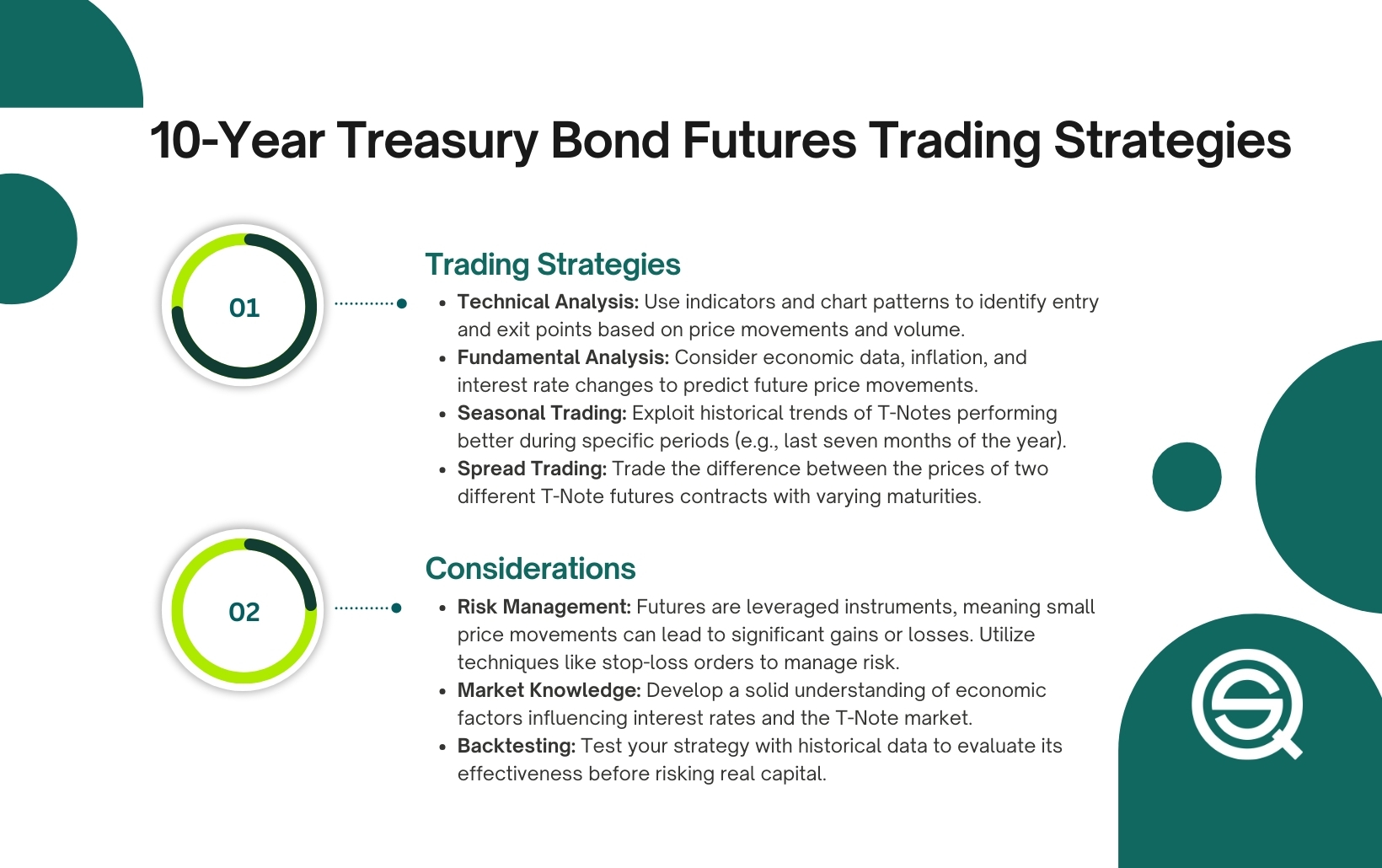
Track your treasury’s health using live dashboards. Integrate oracle feeds to verify asset prices and monitor protocol health. Regular audits of your smart contract interactions ensure that your yield strategies remain compliant and secure over time.
Common questions about treasury management
Treasury management is the strategic oversight of an organization’s financial assets, liabilities, and liquidity. It ensures that enough cash is available to sustain daily operations while managing risk and supporting long-term goals [1].
What is treasury management for dummies?
In simple terms, treasury management focuses on optimizing monetary assets, managing daily liquidity, and ensuring sufficient cash reserves. By guaranteeing fund availability, it enables the execution of strategic initiatives aimed at achieving the organization's goals [2].
What is a treasury basis point?
A basis point is a unit of measure used in finance to describe the percentage change in the value or rate of a financial instrument. One basis point is equivalent to 0.01% (1/100 of a percent) or 0.0001 in decimal form. If interest rates rose from 2.00% to 2.50%, it would be said that rates rose 50 basis points [3].
Helpful gear
Use these product recommendations as a starting point, then choose the size, material, and price point that fit how you actually use the gear.


As an Amazon Associate, we may earn from qualifying purchases.
No comments yet. Be the first to share your thoughts!