The based treasury limits to account for
Treasury management is the strategic management of an organization's financial assets, liabilities, and liquidity to achieve specific goals. In the context of Based Treasury, this definition shifts from passive cash holding to active yield generation. The constraint here is not just about safety, but about maximizing return within a defined risk tolerance without compromising operational liquidity.
The four pillars of treasury management—liquidity, risk management, funding, and investment—form the backbone of this strategy. Liquidity ensures you can meet short-term obligations. Risk management protects against market volatility. Funding secures necessary capital, while investment grows the surplus. Ignoring any one of these pillars creates a structural weakness that can undermine the entire treasury strategy.
Choosing the right treasury management system is critical for executing this playbook. The best system provides real-time visibility into cash positions and automates routine transactions. Without robust infrastructure, even the most sophisticated yield strategies can fail due to operational errors or delayed decision-making. The system must support both traditional banking interfaces and modern API integrations for seamless data flow.
How does the Treasury work in practice? It works through continuous monitoring and adjustment. Market conditions change, and yield opportunities shift. A static approach quickly becomes obsolete. The Based Treasury playbook requires dynamic rebalancing, where assets are moved between instruments based on current yield curves and risk assessments. This agility is what separates successful treasury operations from stagnant ones.
For investors, understanding these constraints is essential. The goal is sustainable yield, not speculative gains. This means prioritizing assets that provide consistent returns over time, rather than chasing high-risk opportunities that may disappear. The Based Treasury approach is built on stability, transparency, and long-term value creation.
Evaluating treasury choices that change the plan
Building a sustainable yield strategy requires balancing liquidity, cost, and operational complexity. There is no single "best" system; the right choice depends on your asset base, regulatory requirements, and risk tolerance. Before committing capital, you must evaluate how each option impacts your cash flow, tax liability, and administrative overhead.
The following comparison highlights the core tradeoffs between traditional centralized banking, automated digital platforms, and hybrid solutions. Use this framework to identify where your current processes create friction or unnecessary risk.
| Evaluation Factor | Traditional Bank Treasury | Automated Digital Platform | Hybrid Approach |
|---|---|---|---|
| Liquidity Access | Limited to business hours and manual approvals | 24/7 real-time visibility and instant transfers | Real-time reporting with manual approval gates |
| Cost Structure | High fixed fees, wire charges, and account maintenance | Lower per-transaction fees, scalable subscription models | Moderate fixed costs with variable transaction fees |
| Integration Depth | Deep legacy system compatibility, complex API setup | Plug-and-play with modern ERP and accounting tools | Custom integrations for legacy core with modern front-end |
| Fraud Prevention | Manual reconciliation and physical checks | AI-driven anomaly detection and multi-factor auth | Automated monitoring with manual override capabilities |
| Regulatory Compliance | Built-in for specific jurisdictions, hard to update | Auto-updates for global standards, audit trails | Centralized compliance engine with local flexibility |
When selecting a treasury management system, consider the "four pillars": cash positioning, payments, liquidity, and risk management. A robust system must address all four simultaneously. If your current setup silos these functions, you risk operational blind spots that can lead to liquidity crunches or compliance failures. The goal is not just yield optimization, but resilient infrastructure that supports your broader financial strategy.
For many organizations, the hybrid approach offers the most practical path forward. It allows you to maintain the security and regulatory familiarity of traditional banking while adopting the efficiency and transparency of digital tools. Start by auditing your current pain points—whether they are slow reconciliation, high fees, or lack of real-time data—and match them against the capabilities outlined above.
Build a Based Treasury Decision Framework
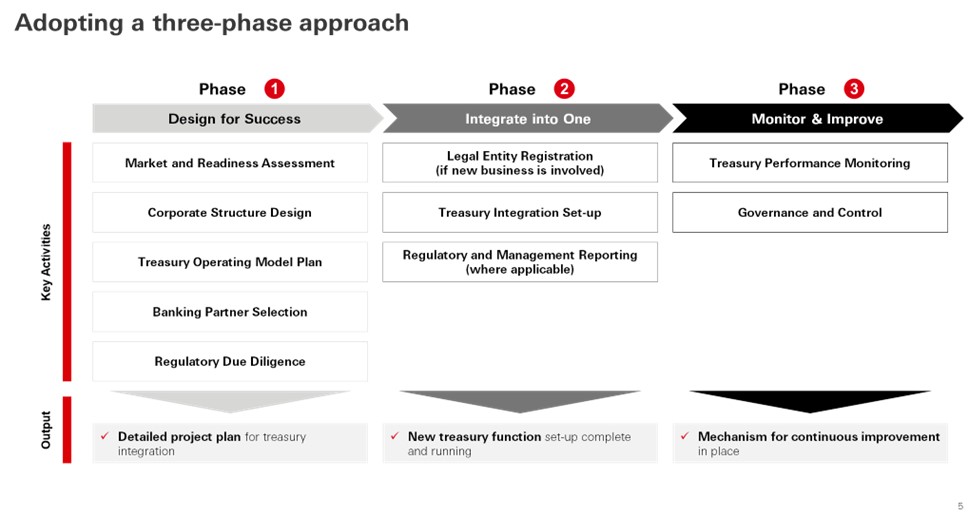
Treasury management is the strategic management of an organization's financial assets, liabilities, and liquidity to achieve specific goals. Rather than chasing fleeting yield trends, a Based Treasury Playbook relies on four structural pillars: liquidity, risk management, compliance, and operational efficiency. These pillars form the foundation of any resilient financial strategy, ensuring that capital remains accessible while protecting against market volatility.
To implement this framework, you must first establish a clear hierarchy of needs. This involves distinguishing between operational cash flow requirements and strategic investment opportunities. By separating these functions, you can allocate resources more effectively, ensuring that short-term obligations are never jeopardized by long-term yield pursuits. This separation is critical for maintaining stability during periods of market turbulence.
Next, integrate technology to streamline operations. Modern treasury management systems provide real-time visibility into cash positions, enabling faster decision-making and reducing manual errors. Automation allows finance teams to focus on strategic analysis rather than data entry, improving overall efficiency. When selecting a treasury management system, prioritize platforms that offer robust reporting, seamless bank connectivity, and strong security protocols.
Finally, continuously monitor and adjust your strategy based on market conditions and regulatory changes. Regular audits and stress tests help identify potential vulnerabilities before they become critical issues. By staying informed and proactive, you can adapt to changing economic landscapes and maintain a competitive edge. This dynamic approach ensures that your treasury strategy remains effective and resilient over time.

Identify short-term cash obligations and set aside reserves. This ensures operational stability and prevents cash flow disruptions during unexpected market shifts or economic downturns.
Allocate excess capital across low-risk instruments like TIPS, money market funds, and short-term bonds. Diversification mitigates risk while capturing sustainable yield in a volatile environment.
Establish strict limits on exposure to high-yield or speculative assets. Use hedging strategies to protect against interest rate fluctuations and currency risks that could erode returns.

Deploy treasury management software to track cash positions and automate reconciliations. Real-time data visibility improves decision-making and reduces manual errors in financial reporting.


As an Amazon Associate, we may earn from qualifying purchases.
Spotting Weak Options in the 2026 Treasury Playbook
As the yield curve stabilizes, the temptation to chase "safe" treasury products often leads investors into traps disguised as security. Many retail-focused offerings promise institutional-grade stability while hiding liquidity constraints or hidden fees. In the 2026 landscape, distinguishing between genuine infrastructure and marketing fluff requires a rigorous audit of the underlying asset structure.
The "Guaranteed Yield" Mirage
Many non-bank treasury products advertise fixed returns that appear competitive with high-yield savings accounts. However, these yields are often subsidized by short-term promotional periods or linked to volatile underlying assets. A genuine treasury instrument derives its yield from the risk-free rate, not from leverage or speculative derivatives. If the yield significantly outpaces the current 10-year Treasury note without a corresponding increase in credit risk, the claim is likely misleading.
Liquidity Lockups and Hidden Fees
Institutional treasury management relies on the ability to access capital during stress events. Retail products often impose lockup periods or early withdrawal penalties that effectively erase the yield advantage. Additionally, management fees are frequently deducted from the principal rather than the yield, silently eroding your capital base. Always verify the redemption terms and fee structure in the prospectus, not just the marketing brochure.
Misaligned Regulatory Oversight
Not all "treasury" products are regulated by the same bodies. Some are structured as private funds or insurance products, lacking the FDIC or SIPC protections associated with traditional bank accounts. This regulatory arbitrage allows providers to offer higher yields but exposes investors to counterparty risk. Ensure the product is backed by actual U.S. Treasury securities or qualifies for standard deposit insurance before committing capital.
Based treasury: what to check next
Before committing capital to a Based Treasury strategy, it helps to separate the mechanics of government debt from corporate treasury operations and the specific risks of inflation-linked instruments. Here are the practical answers to the most common objections.
No comments yet. Be the first to share your thoughts!