What is a Based Treasury?
A Based Treasury is a decentralized governance mechanism that manages an organization's financial assets directly on the blockchain. Unlike traditional corporate treasury management, which relies on opaque banking ledgers and centralized intermediaries, a Based Treasury operates with full on-chain transparency. Every transaction, reserve balance, and strategic allocation is publicly verifiable in real time.
The term "Based" signals a specific ideological and technical commitment to decentralization. It moves beyond simple asset storage to emphasize verifiable proof of reserves and community-aligned security protocols. This approach treats the treasury not just as a balance sheet, but as a public good that participants can audit independently.
Security in a Based Treasury is enforced through multi-signature (multi-sig) smart contracts. These contracts require multiple independent parties to approve transactions, eliminating the risk of a single compromised key draining funds. This technical structure ensures that long-term value preservation is prioritized over short-term, unilateral decision-making.
While traditional treasuries focus on liquidity and risk management within closed financial systems, a Based Treasury integrates these functions into a public, programmable infrastructure. The result is a system where trust is derived from code and consensus rather than institutional reputation, creating a more resilient framework for Web3 organizations in 2026.
Core Infrastructure Layers
A Based Treasury guide must prioritize security and transparency above all else. The technical stack supporting your treasury is the backbone of your organization's financial integrity. Without robust infrastructure, even the most well-intentioned treasury strategies can fail due to smart contract vulnerabilities or data inaccuracies.
Multi-Signature Wallets
Multi-signature (multisig) wallets are the first line of defense. They require multiple private keys to authorize transactions, preventing any single individual from moving funds unilaterally. This structure distributes risk and ensures that large transfers undergo collective review. For high-stakes financial decisions, a 2-of-3 or 3-of-5 multisig setup is standard practice among reputable DAOs.
Smart Contract Auditing
Before deploying any treasury management contracts, rigorous auditing is non-negotiable. Audits identify vulnerabilities in your code that could lead to exploits or fund loss. Reputable firms provide detailed reports that highlight risks and recommend fixes. Never skip this step; the cost of an audit is negligible compared to the potential loss of treasury assets.
Oracle Integration
Real-time asset valuation relies on accurate price feeds. Oracles like Chainlink provide decentralized, tamper-proof data feeds that update asset prices on-chain. This ensures your treasury reports reflect current market values, preventing manipulation and enabling accurate financial planning. Without reliable oracles, your treasury's reported health is just a guess.

Generate Yield Without Compromising Principal
Building a sustainable yield strategy in your Based Treasury starts with diversification. Relying on a single protocol or asset class exposes your principal to unnecessary risk. Instead, spread exposure across stablecoin lending, liquid staking derivatives, and tokenized real-world assets. This approach balances safety with returns, ensuring your treasury remains resilient even when market conditions shift.
Compare Yield Strategies Side-by-Side
Not all yield sources are created equal. Some offer higher APYs but come with smart contract risk or liquidity constraints. Below is a comparison of common strategies to help you decide where to park your capital based on your risk tolerance and liquidity needs.
| Strategy | Est. APY | Risk Level | Liquidity |
|---|---|---|---|
| USDC on Aave | ~4-5% | Low | Instant |
| stETH | ~3-4% | Medium | High (via Lido) |
| Tokenized T-Bills | ~5% | Very Low | T+1 Days |
| Curve Stableswap | ~2-3% | Low | Instant |
Contextualize with Live Market Data
Yield rates fluctuate with market demand. Always check the current price of underlying assets like ETH and major stablecoins before committing funds. This ensures your yield calculations reflect real-time conditions, not stale data.
Mitigating Risk in Your Based Treasury
Managing a Based Treasury requires more than just picking the right assets; it demands a rigorous defense against smart contract failures, governance exploits, and market volatility. Without a structured risk framework, even the most innovative treasury strategies can collapse under the weight of a single exploit or regulatory shift. We break down the essential steps to harden your infrastructure and protect capital.
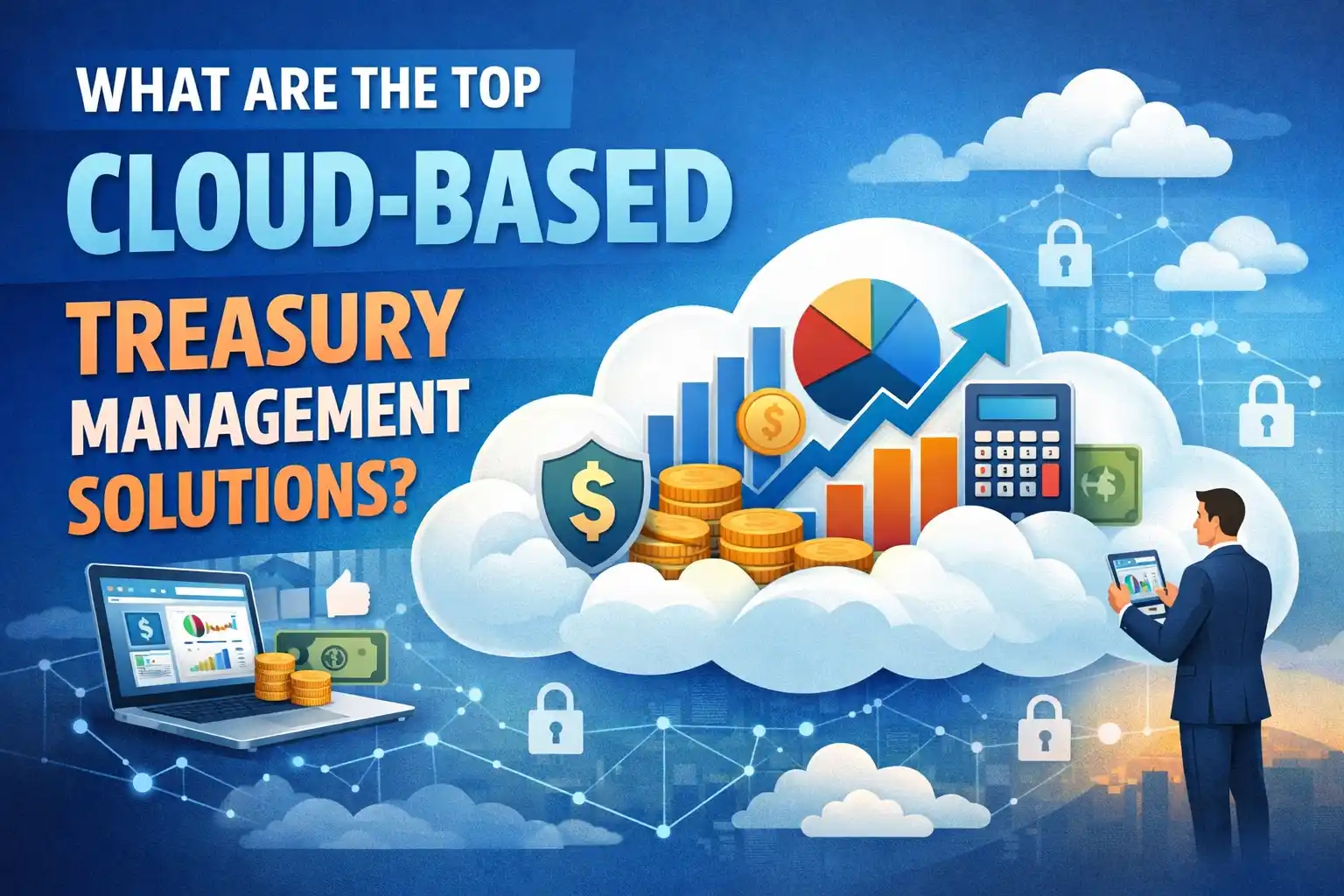
Never deploy code without independent verification. Engage reputable firms to audit your smart contracts for vulnerabilities like reentrancy or integer overflows. Treat the audit report as a living document; address every finding before going live, and consider continuous monitoring tools to catch regressions in future updates.

Centralized control is a single point of failure. Use multi-signature wallets (multisig) requiring multiple distinct keys to authorize transactions. This prevents a single compromised key from draining the treasury. Distribute keys among trusted community members or core team members to ensure no single entity holds excessive power.
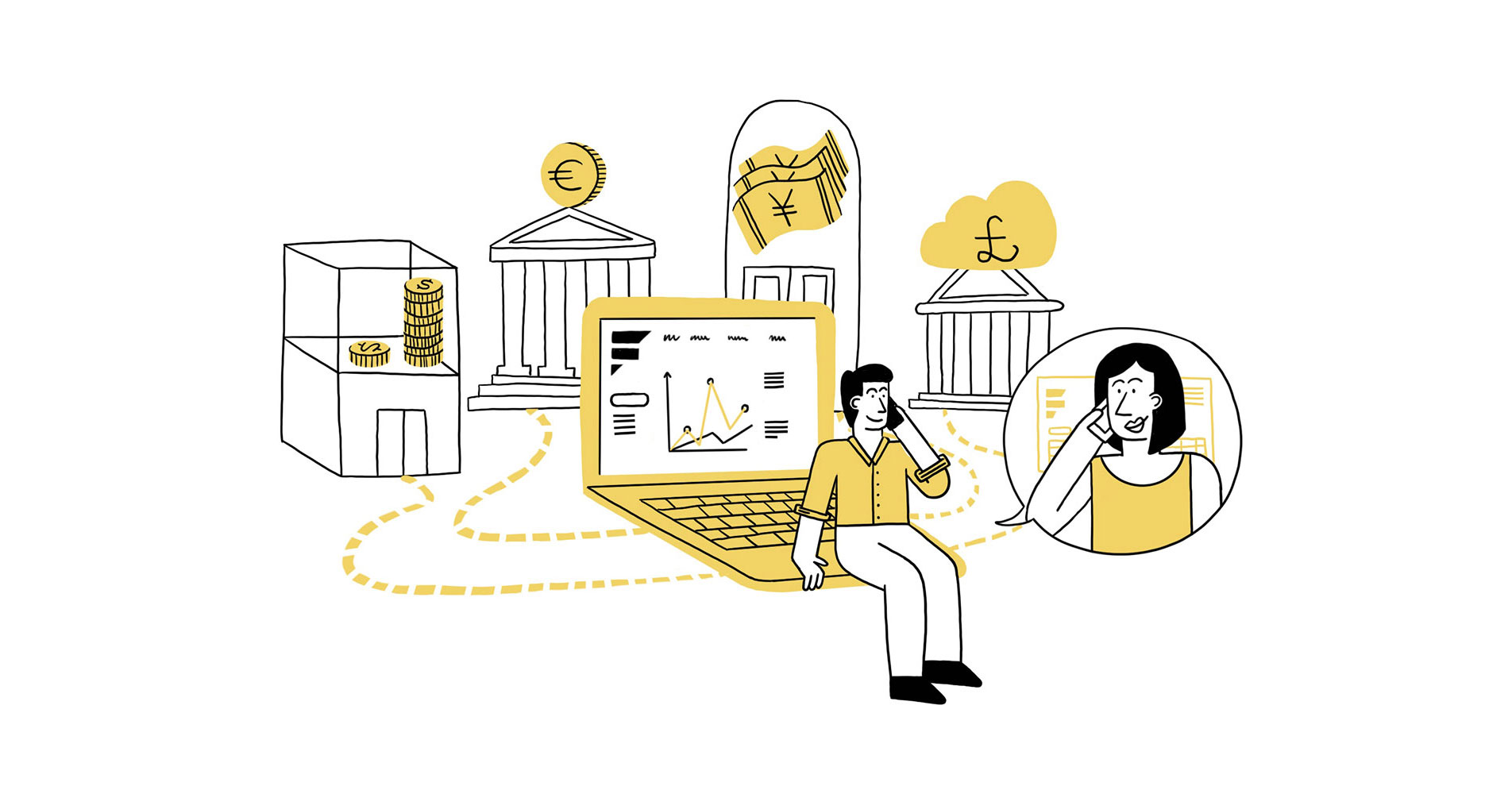
Concentrating treasury funds in a single volatile asset exposes you to catastrophic drawdowns. Diversify across stablecoins, blue-chip cryptocurrencies, and potentially traditional assets where possible. This hedging strategy smooths out volatility, ensuring the treasury retains purchasing power even during market downturns.

Risk management is not a one-time task. Set up real-time alerts for unusual transaction patterns, large withdrawals, or governance proposals that deviate from standard procedures. Continuous monitoring allows you to react instantly to potential threats, minimizing damage before it escalates into a full-scale exploit.
By following these steps, you build a resilient Based Treasury that can withstand the pressures of the Web3 landscape. Prioritize security and diversification to safeguard your assets for the long term.
Essential tools for your Based Treasury guide
Managing a Based Treasury requires more than just holding keys; it demands visibility. The right software stack turns chaotic on-chain activity into clear, auditable reports. This section of the Based Treasury guide highlights the dashboards and tools that keep your operations compliant and transparent.
For tracking multi-chain assets and generating real-time reports, you need robust treasury management software. These platforms aggregate data from various wallets and protocols, giving you a single source of truth for cash positioning and fraud prevention. Without this visibility, decision-making becomes a guessing game.
Security remains the foundation of any treasury operation. Physical hardware wallets provide the necessary cold storage for your most critical assets, ensuring that your digital wealth is protected from online threats. Integrating these devices with your software dashboard creates a secure workflow for signing transactions.


As an Amazon Associate, we may earn from qualifying purchases.
Frequently asked: what to check next
What is a Based Treasury guide?
A Based Treasury guide provides the foundational framework for managing digital asset reserves. It outlines how protocols can safely hold, allocate, and grow treasury assets while adhering to strict security standards. This approach ensures that the treasury remains solvent and aligned with the protocol's long-term goals.
What are the four pillars of treasury management?
Effective treasury management relies on four core pillars: liquidity management, risk mitigation, yield generation, and governance alignment. Liquidity ensures the protocol can meet immediate obligations. Risk mitigation protects against market volatility and smart contract failures. Yield generation optimizes idle asset returns, while governance alignment ensures treasury actions reflect community consensus.
What is the "Green Book" for banks?
The "Green Book" refers to the OCC Bulletin 2023-30, which provides guidance on banks' use of crypto assets. It outlines expectations for safe and sound practices, including risk management frameworks and capital adequacy. While focused on traditional banking, its principles on risk assessment are increasingly relevant for Web3 treasury operations.
How do I handle treasury regulations?
Treasury regulations vary by jurisdiction but generally require transparency and compliance with tax laws. In the U.S., the IRS treats crypto assets as property, meaning transactions trigger taxable events. Protocols should consult legal counsel to ensure their treasury management practices align with local securities and tax regulations.
What is USSGL?
The Uniform System of Federal Accounts (USSGL) provides a uniform chart of accounts and technical guidance for federal agencies. While primarily used by the U.S. government, its standardization principles offer a useful model for DAOs seeking to create consistent accounting practices for their treasuries.
No comments yet. Be the first to share your thoughts!