The based treasury limits to account for
A Based Treasury constraint is the rule that locks a protocol’s core value into a specific, high-quality reserve asset. For most DAOs, this means holding only USDC and short-duration US Treasuries. This constraint is not just a risk management tactic; it is a structural design choice that defines the protocol’s identity and operational limits.
When a protocol enforces this constraint, it accepts lower yield potential in exchange for maximum stability. The treasury becomes a passive anchor rather than an active trading desk. This approach removes the volatility risk associated with holding volatile governance tokens or speculative altcoins. The primary goal shifts from capital appreciation to capital preservation and consistent yield generation.
The tradeoff is clear. Protocols with strict Based Treasury constraints cannot leverage their reserves for aggressive expansion or speculative bets. They must generate revenue through fees or external partnerships. This creates a disciplined financial environment where every expense must be justified by the steady yield from the reserve. It is a conservative strategy, but it builds long-term trust with users who prioritize security over speculative growth.
Based treasury choices that change the plan
Shifting from traditional fiat treasuries to crypto-based holdings introduces distinct operational variables. The decision is not merely about asset appreciation; it is a structural choice regarding liquidity, compliance, and counterparty risk. Organizations must weigh the volatility of digital assets against the stability of government securities.
Liquidity and Market Depth
Cash equivalents in traditional systems offer instant settlement with zero slippage. Crypto assets, even major caps like Bitcoin, can experience significant price impact during large-scale transactions. A $10 million sell order in BTC may shift the market price by 0.5% or more depending on depth, whereas Treasury bills settle at face value. This friction requires careful timing and potentially split execution strategies to avoid adverse price movement.
Regulatory and Compliance Burden
Traditional treasuries operate within a mature framework of GAAP, SOX, and clear banking regulations. Crypto treasuries face a fragmented regulatory landscape. While the SEC and CFTC provide some guidance, the classification of assets (security vs. commodity) remains a moving target. Companies must invest in specialized legal counsel and compliance monitoring tools to navigate reporting requirements, tax implications, and anti-money laundering (AML) protocols that differ significantly from standard banking.
Counterparty and Custody Risk
In traditional finance, FDIC insurance and clearinghouse guarantees mitigate counterparty risk. In crypto, "not your keys, not your coins" is the operational reality. Custody solutions range from centralized exchanges (CEX) to multi-signature hardware wallets. CEXs introduce third-party risk (e.g., bankruptcy, hacking), while self-custody demands rigorous internal security protocols. The tradeoff is between convenience and control, with no single solution offering the same level of insured safety as a major bank.
| Factor | Traditional Fiat | Crypto-Based | Operational Impact |
|---|---|---|---|
| Settlement Speed | T+1 or Instant | Minutes to Hours | Cash flow planning requires buffer |
| Price Stability | Low volatility | High volatility | Hedging strategies become essential |
| Regulatory Clarity | High (GAAP/SOX) | Evolving | Higher legal and compliance costs |
| Custody Insurance | FDIC/NCUA | None (mostly) | Requires private insurance or self-custody |
How to Choose the Right Treasury Management Tool
Selecting the correct infrastructure is the foundation of a successful Based Treasury strategy. Treasury management is the strategic management of an organization's financial assets, liabilities, and liquidity to achieve specific goals. In the context of digital assets, this means moving beyond simple cold storage to a system that balances security, yield, and operational efficiency.
The market offers various solutions, from self-custody hardware wallets to institutional-grade custodians. Your choice depends on your risk tolerance and operational scale. Below is a framework to evaluate your options.

Start by determining who controls the private keys. Self-custody offers maximum control but requires rigorous internal processes. Custodial solutions reduce operational burden but introduce counterparty risk. For high-stakes allocations, multi-signature wallets with geographically distributed signers are the industry standard for mitigating single-point failures.
Treasury tools must support your desired yield strategy. If you are holding stablecoins for operational expenses, prioritize low-slippage DEX integrations or regulated money market funds. For long-term appreciation, look for platforms that offer native staking or lending opportunities with transparent smart contract audits. Ensure the tool allows for rapid rebalancing without significant transaction costs.
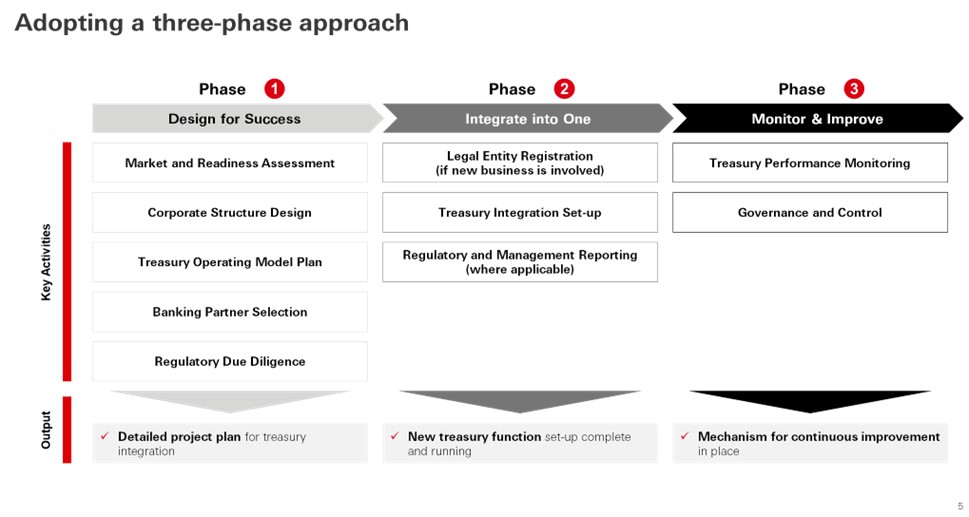
As regulations tighten, your treasury tool should simplify compliance. Look for features like automated transaction monitoring, KYC/AML integration, and detailed reporting exports. These tools help you adhere to local laws and maintain a clear audit trail, which is essential for institutional investors and auditors reviewing your Based Treasury operations.

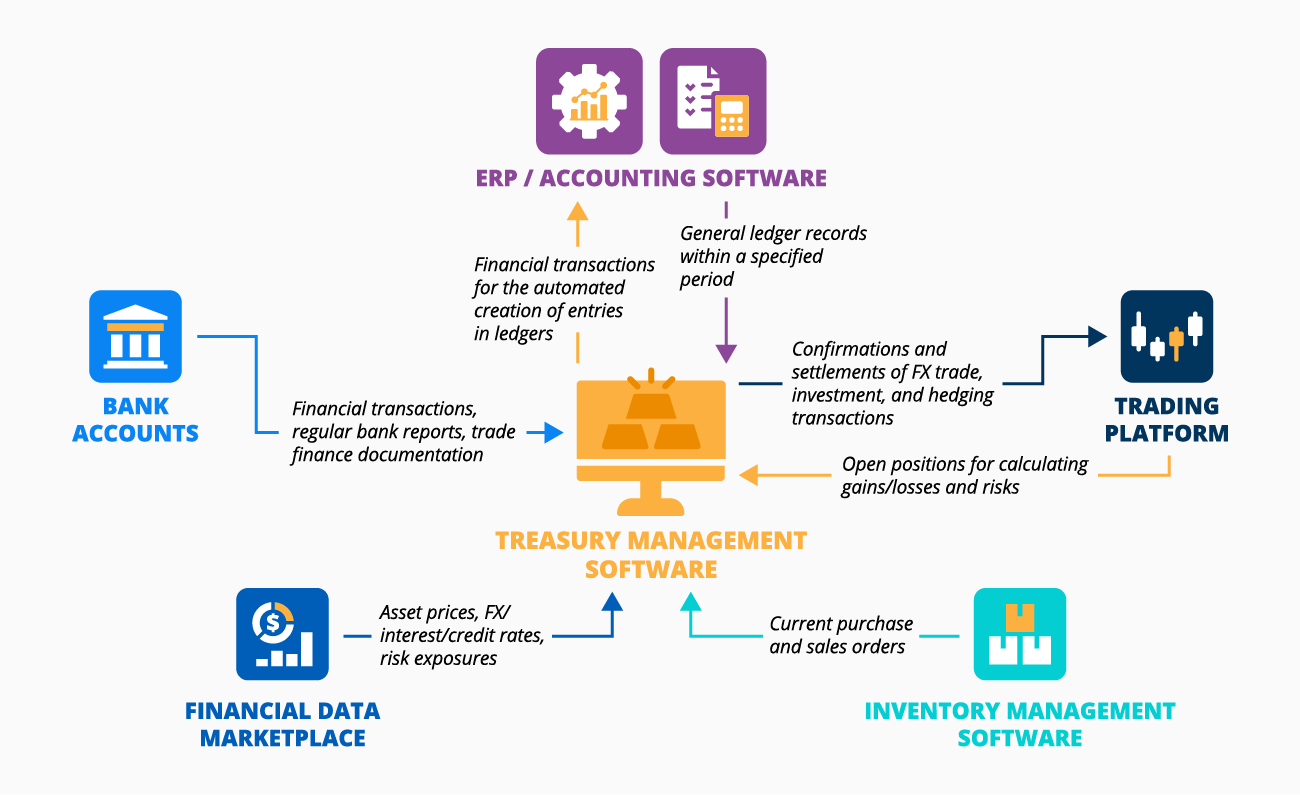
Before committing significant capital, test the user interface and API capabilities. A cumbersome interface leads to human error, which is the leading cause of treasury losses. Ensure the platform provides real-time balance updates, supports batch transactions, and integrates with your existing accounting software to maintain accurate financial records.


As an Amazon Associate, we may earn from qualifying purchases.
Choosing the right tool requires balancing security, yield, and compliance. By following this framework, you can build a treasury infrastructure that supports your strategic allocation goals while mitigating operational risks.
Watch Out for Weak Treasury Options
Not all "based" treasury strategies hold up under scrutiny. As 2026 approaches, several common approaches rely on misleading claims or outdated infrastructure. Identifying these weak options is critical to avoiding capital erosion. Below are the most prevalent traps.
Reliance on Unverified Yield Claims
Many platforms promise outsized returns by bundling low-grade commercial paper with unstable stablecoins. These yields often ignore counterparty risk and liquidity traps. Always verify the underlying assets against official Bureau of the Fiscal Service guidance rather than marketing decks.
Ignoring Regulatory Shifts
Treasury management requires strict adherence to evolving fiscal standards. Using tools that do not align with the Uniform System of Federal Accounts (USSGL) creates compliance blind spots. Weak options often skip these technical checks, leaving organizations exposed to audits or frozen assets.
Poor Infrastructure Integration
A treasury tool is only as strong as its integration. Many popular solutions lack real-time reconciliation with core banking systems. This disconnect leads to reporting errors and delayed decision-making. Prioritize platforms that offer seamless, auditable data flows rather than manual workarounds.
Based treasury: what to check next
Treasury management is the strategic management of an organization's financial assets, liabilities, and liquidity to achieve specific goals [src-1]. When applied to crypto, "Based Treasury" means anchoring that strategy in native crypto infrastructure rather than traditional fiat rails. This shift introduces unique technical and regulatory considerations that differ from conventional corporate finance.
Is based treasury safe for long-term holdings?
Safety depends on your infrastructure choices. Unlike bank deposits, crypto assets require active security management. You must use multi-signature wallets, hardware security modules, and regular audits. Relying on a single hot wallet is a significant risk. Treat your treasury like a fortress, not a savings account.
How do I handle tax obligations for crypto assets?
Tax rules vary by jurisdiction but generally treat crypto as property. Every transfer, swap, or yield event can trigger a taxable event. You need specialized accounting software that tracks cost basis across chains. Traditional spreadsheets often fail to capture the complexity of DeFi interactions. Consult a tax professional familiar with digital assets before deploying capital.
What tools are best for managing based treasuries?
You need a Treasury Management System (TMS) that supports blockchain data. Look for platforms that offer real-time balance tracking across multiple chains. Integration with accounting software is essential for compliance. Avoid manual tracking, which is prone to error and lacks audit trails.
Can I earn yield without increasing risk?
Yield often correlates with risk. Lending protocols may face smart contract vulnerabilities. Staking locks your capital, reducing liquidity. The safest approach is diversification across low-risk stablecoin yields and blue-chip staking. Never allocate more than you can afford to lose to high-yield strategies.
No comments yet. Be the first to share your thoughts!