Defining the based treasury model
Traditional corporate treasury management is built on a simple premise: preserve capital, manage liquidity, and mitigate risk. As the Ion Group notes, it is the strategic management of an organization's financial assets and liabilities to achieve specific goals [1]. In the Web3 world, this definition has been hijacked by short-term speculation. Many projects treat their treasury like a casino, chasing yield farming opportunities or dumping tokens to fund operations, which ultimately erodes trust and value.
The based treasury model flips this script. It prioritizes protocol sovereignty and long-term alignment over immediate liquidity extraction. Instead of viewing assets as disposable fuel for marketing sprints, a based treasury treats them as the foundational equity of the protocol. This approach emphasizes self-custody, ensuring that control remains with the community or a transparent multisig rather than a centralized entity. It demands radical transparency, where every transaction is visible on-chain, allowing holders to verify the health of the project in real-time.
Core principle: A based treasury prioritizes protocol sovereignty and long-term alignment over immediate liquidity extraction.
This shift is not just philosophical; it is structural. By holding assets in stablecoins or blue-chip cryptocurrencies like Bitcoin and Ethereum, based treasuries insulate themselves from the volatility that often plagues their own governance tokens. The goal is survival and compounding value, not quick flips. When a DAO adopts this model, it signals to the market that it is here for the long haul, building a durable infrastructure rather than a fleeting hype cycle.
Ultimately, this approach is about discipline. It requires resisting the urge to monetize every minor opportunity and instead focusing on the steady accumulation of resources that can sustain the protocol through market cycles. This is the difference between a project that burns out and one that builds.
Core Infrastructure for a Based Treasury
A secure based treasury isn't just about holding assets; it's about building a stack that survives a hostile market and a hostile actor. In 2026, the days of single-key wallets and informal multisig setups are over. You need a technical foundation that separates signers from storage, automates compliance, and enforces governance without becoming a bottleneck.
Think of your treasury infrastructure like a bank vault. The vault door (the smart contract) needs multiple independent keys (signers) to open, but the keys themselves shouldn't be sitting on the desk. They should be in a secure, offline location or managed by a specialized service. This separation of duties is the first line of defense against both external hacks and internal fraud.
Multi-Sig Wallets and Secure MPC
The standard for institutional-grade security is now Multi-Party Computation (MPC) combined with threshold signatures. Unlike traditional multisig where each signer holds a full private key, MPC splits the key into shards distributed across different devices or servers. No single point of failure exists, and transactions are signed collaboratively without ever reconstructing the full key.
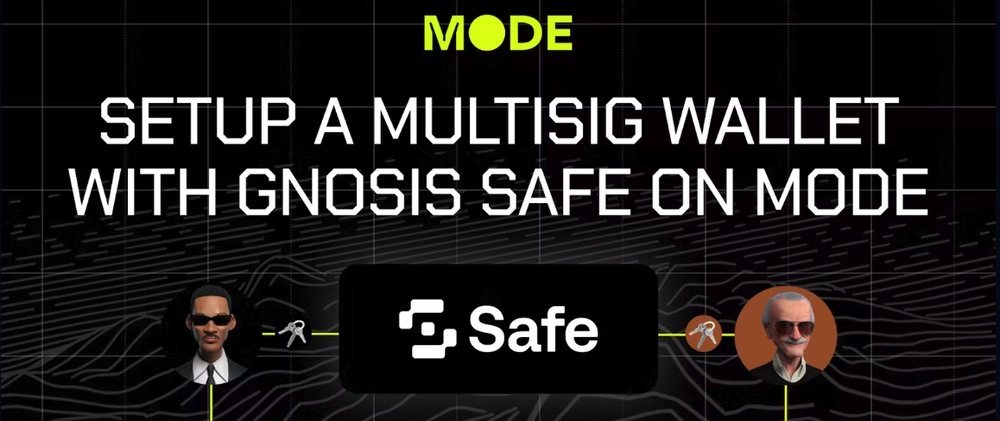
For most DAOs and Web3 projects, Gnosis Safe (now Safe) remains the gold standard for execution. However, the signing layer is where MPC shines. Solutions like Fireblocks or Web3Auth provide enterprise-grade key management that integrates directly with Safe. This setup allows you to require, for example, 3 out of 5 signers to approve a transaction, with those signers being mobile devices, hardware wallets, or institutional custodians.
On-Chain Governance Frameworks
Infrastructure isn't just about security; it's about decision-making. A treasury is useless if the team can't move funds efficiently, but too much freedom invites disaster. On-chain governance frameworks like Snapshot for off-chain signaling and Tally or Colony for on-chain execution provide the necessary structure.
The key is to link your governance outcomes directly to your treasury execution. When a proposal passes on-chain, it should automatically trigger the transaction in your Safe. This creates an immutable audit trail and removes the need for manual intervention, which is often where errors or security lapses occur. By automating the flow from governance vote to treasury action, you reduce operational risk and increase transparency.
Technical Context: ETH Price Action
The value of your treasury infrastructure is directly tied to the volatility of the assets you hold. Understanding the price action of your primary asset class is essential for treasury management, as it informs your rebalancing strategies and risk exposure.
Balance Your Treasury Mix
Treasury management isn't just about accumulating assets; it's about managing the flow between safety, liquidity, and growth. In a high-stakes environment, a portfolio that is too aggressive exposes your DAO to volatility, while one that is too conservative loses purchasing power to inflation and opportunity costs. The goal is a balanced mix that supports operational needs while preserving capital.
Think of your treasury like a three-chambered vessel. The first chamber holds stablecoins for immediate liquidity—payroll, vendor payments, and emergency reserves. The second holds native tokens (like ETH or SOL) to capture ecosystem growth and governance power. The third holds yield-generating assets, such as staked derivatives or treasury bills, to generate passive income that offsets operational burn. Adjusting the ratio of these chambers determines your project's resilience.
Stablecoins like USDC or USDT form the bedrock of liquidity. They are essential for day-to-day operations but offer minimal yield. Native tokens provide upside potential but introduce volatility risk. Yield-generating assets, such as liquid staking derivatives or real-world asset (RWA) tokens, bridge the gap by offering returns with moderate risk. Balancing these requires understanding your burn rate and market conditions.
To visualize these trade-offs, compare the risk and return profiles of common treasury asset classes. This comparison helps you decide how much exposure to take on each asset type based on your project's stage and risk tolerance.
For live market context, keep an eye on the current price action of major assets like ETH, as volatility here directly impacts the value of your native token holdings.
A practical approach is to maintain a 60-30-10 split for early-stage projects: 60% stablecoins for safety, 30% native tokens for growth, and 10% in yield-generating assets. As your treasury grows and stabilizes, you might shift to a 40-40-20 split, increasing exposure to yield and growth assets. Regular rebalancing is key to maintaining this balance, especially during market swings.
Essential tools and platforms
Running a based treasury is less about guesswork and more about having the right instruments in your kit. You need software that tracks assets in real time, executes trades with precision, and flags security risks before they become headlines. The landscape has shifted from simple wallet management to integrated operational stacks.
Think of these tools as the dashboard and engine of your DAO. Without them, you are flying blind. Below is a curated list of the essential categories and specific platforms that professional treasuries rely on to stay solvent and secure.
Analytics and Execution Dashboards
Visibility is the first line of defense. Tools like Ripple Treasury and Nansen provide deep liquidity analytics, allowing you to see where your funds are deployed and how they perform against benchmarks. For execution, platforms like CowSwap or 1inch offer decentralized trading that minimizes slippage and MEV (Maximal Extractable Value) loss, which is critical when moving large positions.
These dashboards consolidate data from multiple chains into a single view. Instead of checking five different block explorers, you get a unified report on cash flow, yield, and exposure. This consolidation saves hours of manual accounting and reduces the risk of human error.

Security Auditing and Risk Management
Security isn't a one-time event; it's a continuous process. Services like OpenZeppelin and Trail of Bits offer smart contract auditing that verifies the integrity of your treasury contracts. For ongoing monitoring, Forta and CertiK Skynet provide real-time threat detection, alerting your team if a contract behaves unexpectedly or if a known vulnerability is exploited elsewhere in the ecosystem.
Integrating these tools into your workflow means you catch issues before they drain the vault. It is the difference between a minor patch and a catastrophic loss.
Hardware and Physical Security
Even the best software can be compromised if the private keys are stored on a connected device. Hardware wallets are non-negotiable for treasury management. Devices like the Ledger Nano X or Trezor Model T provide offline storage for your most critical keys. For multi-signature setups, consider Safe (formerly Gnosis Safe) which allows for social recovery and multi-party approval workflows.
Investing in physical security devices protects against remote hacks and phishing attacks. It is the most cost-effective insurance policy you can buy.


As an Amazon Associate, we may earn from qualifying purchases.
Choosing the Right Stack
Your tool stack should match your treasury's complexity. A small DAO might only need a hardware wallet and a basic analytics dashboard. A larger organization will require a full suite including auditing, execution, and risk monitoring. The key is to start with the basics and scale up as your assets grow.
Don't overcomplicate your setup. The best treasury tool is the one your team actually uses consistently. Start with visibility, add security, and then optimize for execution.
Setup Checklist for Your Based Treasury
A robust treasury doesn't happen by accident. It requires a structured approach to security, compliance, and asset management. Follow this step-by-step checklist to build a resilient foundation for your DAO or project.
Define clear roles for treasury management. Assign responsibilities for signing, monitoring, and auditing. Use multi-signature wallets to ensure no single person controls funds. This reduces the risk of insider threats and unauthorized transactions.
Enable time-locks on transactions to allow for community review. Integrate security monitoring tools to detect suspicious activity. Regularly audit your smart contracts and wallet configurations. This proactive stance helps prevent exploits and maintains trust with stakeholders.
Don't rely on a single token. Allocate funds across stablecoins, native assets, and strategic investments. This diversification protects your treasury from market volatility. Rebalance holdings periodically to maintain your target allocation and risk profile.
Stay updated on local and international regulations affecting digital assets. Consult with legal experts to ensure your treasury operations are compliant. Maintain detailed records of all transactions for reporting purposes. This helps avoid legal pitfalls and builds credibility.
Set up regular reporting schedules to keep the community informed. Use dashboards to track treasury performance and asset allocation. Transparency fosters trust and encourages community participation. Adjust strategies based on performance data and market conditions.
By following this checklist, you create a secure, compliant, and efficient treasury. This foundation supports long-term growth and resilience for your project.
No comments yet. Be the first to share your thoughts!