What the based treasury model actually means
A based treasury is a protocol’s financial backbone, but it operates on different logic than traditional corporate finance. In the 2026 crypto infrastructure landscape, this model prioritizes protocol sovereignty and long-term alignment over short-term profit maximization. The core objective is sustainable yield that reinforces the network’s stability rather than extracting maximum value for immediate stakeholders.
Traditional treasury management focuses on balancing assets and liabilities to ensure liquidity and meet regulatory obligations. It is often defensive, aimed at preserving capital against market volatility. A based treasury, by contrast, is an active participant in the ecosystem it supports. It deploys capital to secure the network, incentivize honest behavior, and maintain the token’s utility.
This shift transforms the treasury from a passive vault into a strategic engine. The funds are not just stored; they are deployed to align economic incentives with the health of the protocol. This approach requires a deep understanding of on-chain mechanics, governance dynamics, and the specific role the token plays in the broader financial stack.
Core strategy for sustainable yield
Managing a based treasury is less about chasing the highest possible APY and more about balancing liquidity, risk, and yield. The goal is to ensure your protocol has the cash needed for operations and security audits without exposing the bulk of assets to volatile or illiquid strategies. This requires a disciplined approach to maturity structures and counterparty selection.
Liquidity and maturity management
Treasury management is the strategic management of an organization's financial assets, liabilities, and liquidity to achieve specific goals. For a protocol, this means maintaining a tiered structure where immediate operational needs are covered by highly liquid assets, while longer-term reserves are deployed into instruments with slightly longer maturities. This approach, often referred to as optimizing the maturity structure, ensures that you are not forced to sell assets at a loss during a market downturn to meet short-term obligations.

Risk mitigation and counterparty selection
Risk mitigation in a based treasury focuses on counterparty risk and regulatory compliance. Unlike traditional corporate treasury management, which often relies on established banking relationships, protocol treasuries must carefully select custodians and yield providers. This involves auditing the legal structure of yield-generating protocols and ensuring that smart contract risks are mitigated through multi-signature wallets and time-locked transactions. The "Green Book" from the U.S. Treasury provides a comprehensive guide for financial institutions handling federal payments, emphasizing the importance of strict compliance and secure handling of funds, principles that should be mirrored in on-chain treasury management.
Yield generation without compromising security
Yield generation should be viewed as a secondary benefit to capital preservation, not the primary objective. Sustainable yield comes from low-risk instruments such as short-term Treasury bills or highly audited, diversified yield protocols. High-yield strategies often carry hidden risks, such as smart contract vulnerabilities or regulatory uncertainty, which can jeopardize the entire protocol. By prioritizing security and liquidity, you create a resilient treasury that can withstand market volatility and sustain long-term operations.
Essential infrastructure and tools
Building a based treasury strategy requires more than just holding assets; it demands a technical stack that ensures security, visibility, and operational efficiency. The foundation of this infrastructure is a combination of multisig wallets for asset custody and treasury management systems (TMS) for workflow automation. Without these tools, managing liquidity across multiple chains becomes a security liability rather than a strategic advantage.
Comparing treasury management platforms
Not all treasury tools are built for the complexities of decentralized finance. Traditional enterprise systems often lack native support for smart contract interactions or cross-chain liquidity routing. The table below compares leading platforms based on their security models, ease of integration, and specific capabilities for based treasuries.
| Platform | Security Model | Integration Ease | Based Treasury Support |
|---|---|---|---|
| Gnosis Safe | Multi-signature smart contracts | High (API & SDKs) | Native DAO & treasury support |
| Kyriba | Enterprise-grade cloud | Medium (ERP-focused) | Limited (via partners) |
| TreasuryOS | Modular smart contracts | High (DeFi-native) | Full yield & liquidity routing |
| Fireblocks | MPC & HSM custody | High (Institutional) | Strong custody & compliance |
Multisig wallets and security
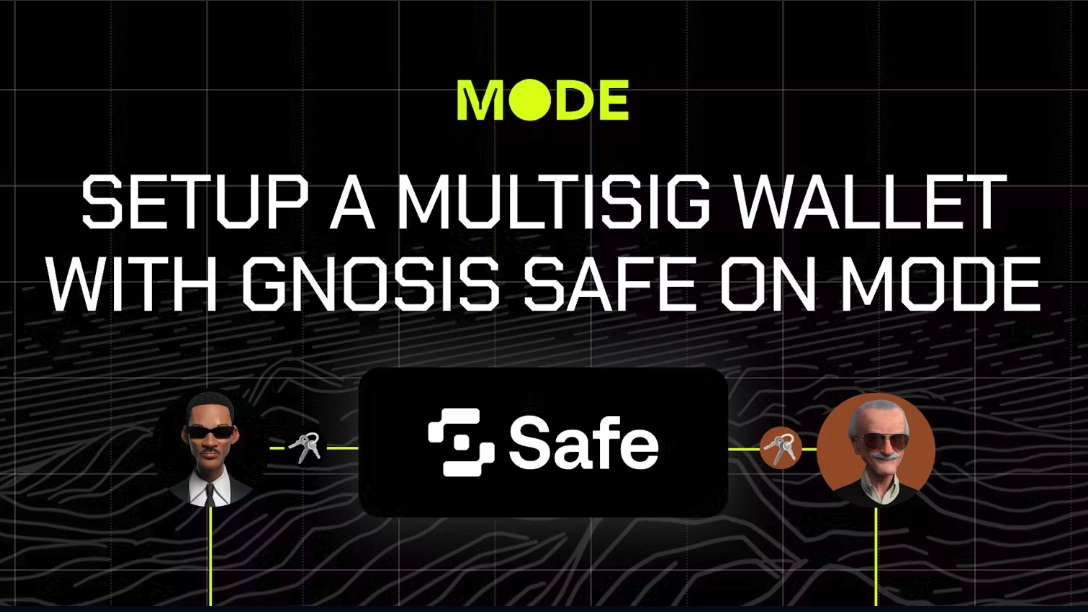
For asset custody, multisignature wallets are non-negotiable. They distribute control across multiple key holders, preventing single points of failure. Gnosis Safe is the industry standard for DAOs and treasuries due to its modular architecture and extensive ecosystem integration. For institutional-grade custody, Fireblocks offers Multi-Party Computation (MPC) technology that splits keys across multiple devices, ensuring that no single compromised device can drain assets.

Analytics and monitoring
Real-time visibility is critical for a based treasury. You need dashboards that aggregate balances across chains, track yield generation, and monitor exposure to volatile assets. Tools like TreasuryOS and specialized DeFi analytics platforms provide the necessary granularity to make informed decisions. Without accurate, real-time data, treasury managers are operating blind, unable to optimize liquidity or respond to market shifts.
Recommended tools for execution
To execute this strategy effectively, you need the right hardware and software. Below are recommended tools to help secure and manage your based treasury infrastructure.


As an Amazon Associate, we may earn from qualifying purchases.
Where to Find Reliable Treasury Data
Building a treasury strategy requires more than intuition; it demands access to verified, real-time data. Relying on stale reports or secondary summaries can lead to mispricing risk and missed opportunities. Instead, anchor your research in official government publications, on-chain analytics, and direct market feeds.
Official Government Sources
The most authoritative data comes directly from the source. For US-based treasuries, the Department of the Treasury provides primary documentation on instruments like Treasury Inflation-Protected Securities (TIPS), which pay fixed interest rates semi-annually while adjusting for inflation. These resources are free, unfiltered, and legally binding. Always cross-reference secondary news with these primary filings to ensure accuracy.
On-Chain and Market Analytics
For digital assets and crypto treasuries, on-chain metrics offer transparency that traditional banking lacks. Platforms that aggregate wallet movements, smart contract interactions, and liquidity pool depths provide a live view of market health. Look for providers that offer API access to raw data, allowing you to build custom dashboards rather than relying on pre-packaged, potentially lagging insights.
Live Price Widgets
Static prices expire quickly. Use live provider-backed widgets to monitor asset performance in real-time. This ensures your treasury valuations reflect current market conditions, not yesterday’s close.
Recommended treasury products
Building a based treasury requires the right infrastructure. You need tools that handle multi-signature security, liquidity management, and compliance reporting without slowing down your operations. The market offers several categories of solutions, from software platforms to educational resources that help teams implement these strategies correctly.
We have selected products that align with modern treasury needs. These recommendations focus on practical tools available for immediate acquisition, helping you set up a secure and efficient treasury environment.



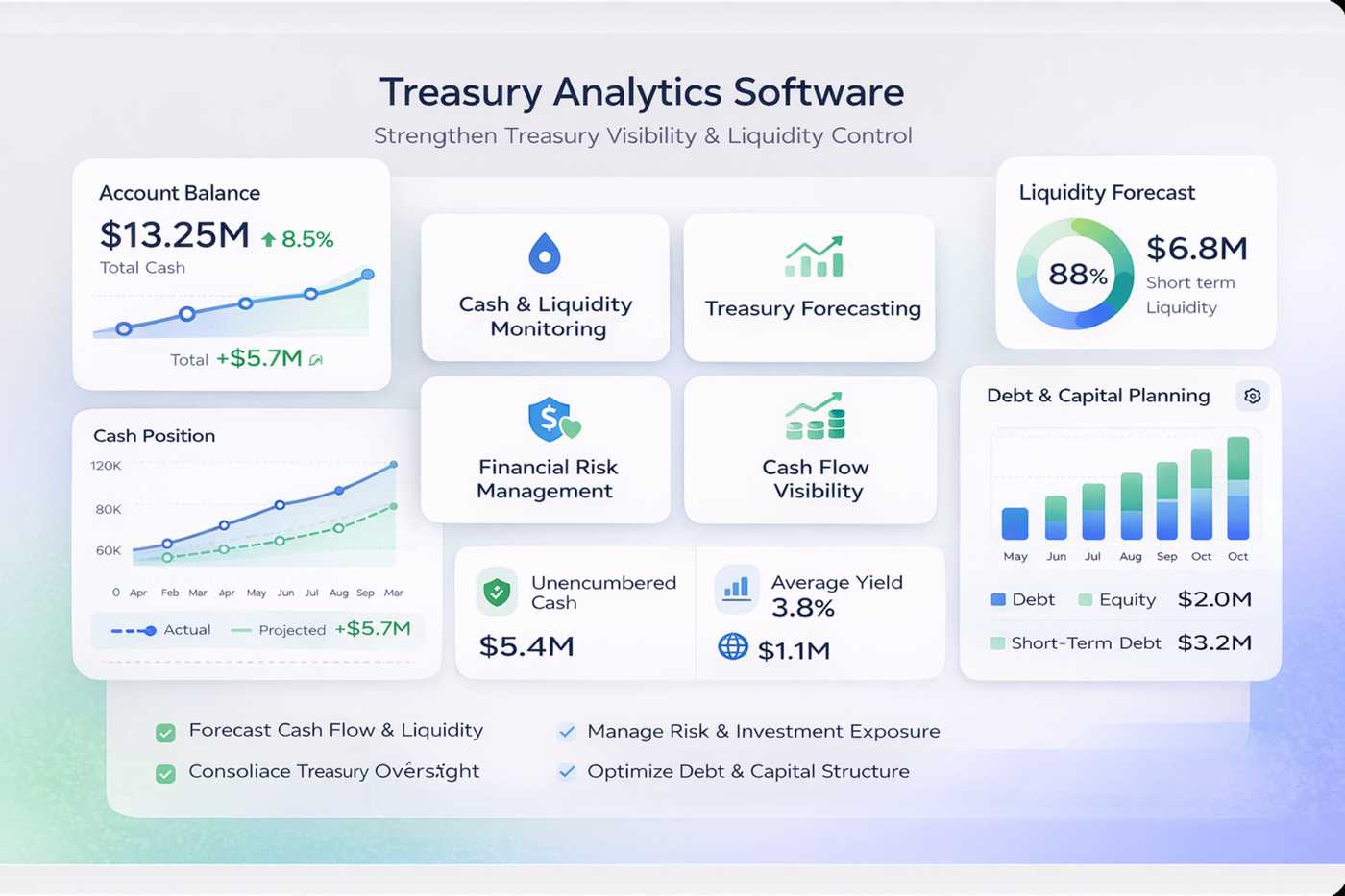
- Real-time visibility
- Forecasting tools
- Integration capabilities
As an Amazon Associate, we may earn from qualifying purchases.
Frequently asked questions about based treasuries
Managing liquidity in a based treasury requires balancing immediate operational needs with long-term yield generation. Below are answers to common questions regarding infrastructure, compliance, and the tools needed to manage the current market.
For those looking to build or optimize their treasury stack, selecting the right software and hardware wallets is critical. We recommend evaluating tools that offer multi-signature support and institutional-grade security.


As an Amazon Associate, we may earn from qualifying purchases.
Always verify the source of any financial advice or tool recommendation. The landscape changes rapidly, so prioritize official documentation and community-vetted security audits over marketing claims.
No comments yet. Be the first to share your thoughts!