What is a based treasury?
A traditional corporate treasury acts like a vault: it hoards cash, buys safe bonds, and hopes inflation stays low. A based treasury treats the balance sheet like an active portfolio. Instead of letting fiat sit idle, it allocates capital into native crypto assets that generate yield on-chain.
The shift is from passive preservation to active growth. While standard treasuries focus on liquidity and risk mitigation, a based treasury prioritizes transparency and native asset alignment. Every transaction is visible on the blockchain, removing the opacity of off-bank ledgers.
This model relies on sustainable yield generation rather than speculative pumps. It uses on-chain governance and decentralized finance (DeFi) mechanisms to earn returns, creating a self-sustaining capital loop. The goal isn't just to survive market volatility, but to thrive by leveraging the unique properties of digital assets.
Core infrastructure for treasury management
Managing a based treasury requires more than just holding assets; it demands a technical stack that balances security with operational efficiency. The foundation of this infrastructure is the multisig wallet, which distributes signing authority across multiple keys to prevent single points of failure. This setup is non-negotiable for any organization or individual managing significant value on-chain.
Beyond storage, you need treasury management platforms that automate cash flow and yield generation. These tools integrate with DeFi protocols to sweep idle capital into yield-bearing assets, ensuring your treasury works as hard as you do. Manual management is no longer viable in a market that moves in seconds.

Visibility is the final pillar. On-chain analytics tools provide real-time dashboards of your asset allocation, liquidity positions, and exposure to smart contract risk. Without this layer of transparency, you are flying blind, unable to react to market shifts or audit your own exposure accurately.
Comparing treasury management platforms
Not all platforms offer the same level of integration or security. The table below compares three leading options based on their core capabilities for on-chain treasury operations.
| Platform | Security Model | Yield Integration | Ease of Use |
|---|---|---|---|
| Safe{Wallet} | Multi-sig with social recovery | Limited native yield; requires external bridges | High |
| Gnosis Safe | Multi-sig with modular guards | Native integrations via modules | Medium |
| Ripple Treasury | Enterprise-grade custody | Direct fiat/crypto sweep capabilities | Low (Enterprise focus) |
Researching sustainable yield strategies
Finding yield in the current market requires separating temporary spikes from structural income. Many treasury managers fall into the trap of chasing the highest nominal rate without checking the underlying risk. This approach often leads to capital erosion when high-yield assets default or when inflation outpaces fixed returns. The goal is risk-adjusted return, not just a big number on a screen.
Start by looking at the core Treasury curve. Use a provider-backed chart to visualize the spread between short-term bills and long-term bonds. This visual context helps you identify where the market is pricing in future rate cuts or inflation expectations. If the curve is inverted, short-term bills often offer better risk-adjusted yields than longer-duration notes.
When evaluating specific instruments, consider Treasury Inflation-Protected Securities (TIPS). These bonds adjust their principal based on the Consumer Price Index, offering a direct hedge against purchasing power loss. While their nominal yield might appear lower than nominal Treasuries, the real yield is often more stable. Research the breakeven inflation rate to decide if TIPS fit your current inflation outlook.
Avoid unsustainable high-yield traps. If a corporate bond or fund offers a yield significantly above the Treasury benchmark without a clear credit downgrade, scrutinize the liquidity risk. Many "high yield" opportunities are actually low liquidity discounts that can trap capital during stress events. Stick to official sources like TreasuryDirect for baseline data and reputable financial institutions for credit analysis. Reliable forecasting depends on accurate, real-time data, not static spreadsheets that lag behind market movements.
Risk Management and Compliance Checks
Managing a based treasury isn't just about accumulation; it's about survival. The difference between a sustainable treasury and a drained one often comes down to how rigorously you handle risk and compliance. You need to treat your treasury like a fortress, not a gambling account. This means implementing strict controls around smart contract interactions, maintaining sufficient liquidity buffers, and staying ahead of regulatory shifts.
Before any funds leave the vault, verify the contract address. Many "rug pulls" or exploits happen because a treasury manager interacts with a malicious or unverified contract. Use block explorers to check the contract's source code and history. If the code is unverified or the developer wallet is linked to known exploits, do not interact. Treat every transaction as a potential attack vector.
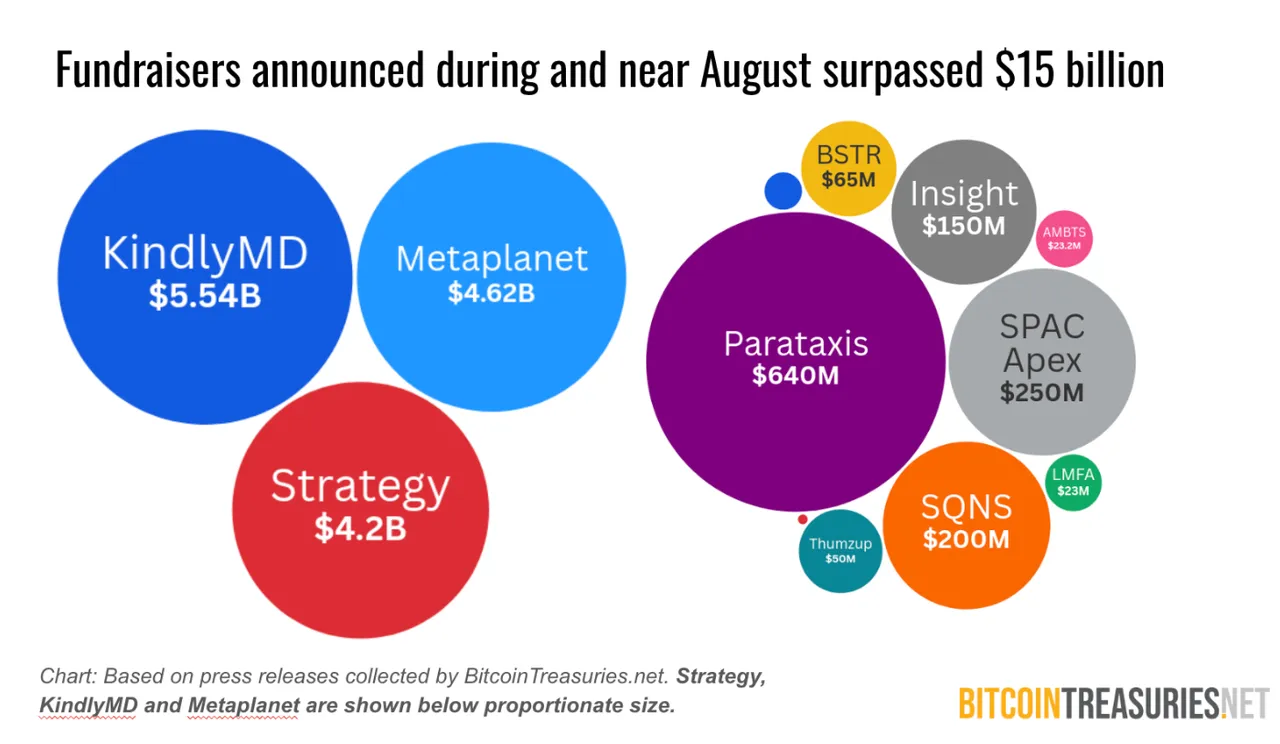
Volatility is inevitable. Your treasury must hold enough stable assets to cover operational expenses for at least six to twelve months, regardless of market conditions. This buffer prevents you from having to sell core assets (like BTC or ETH) during a downturn to pay for gas or salaries. A liquid treasury survives the winter; a leveraged one does not.
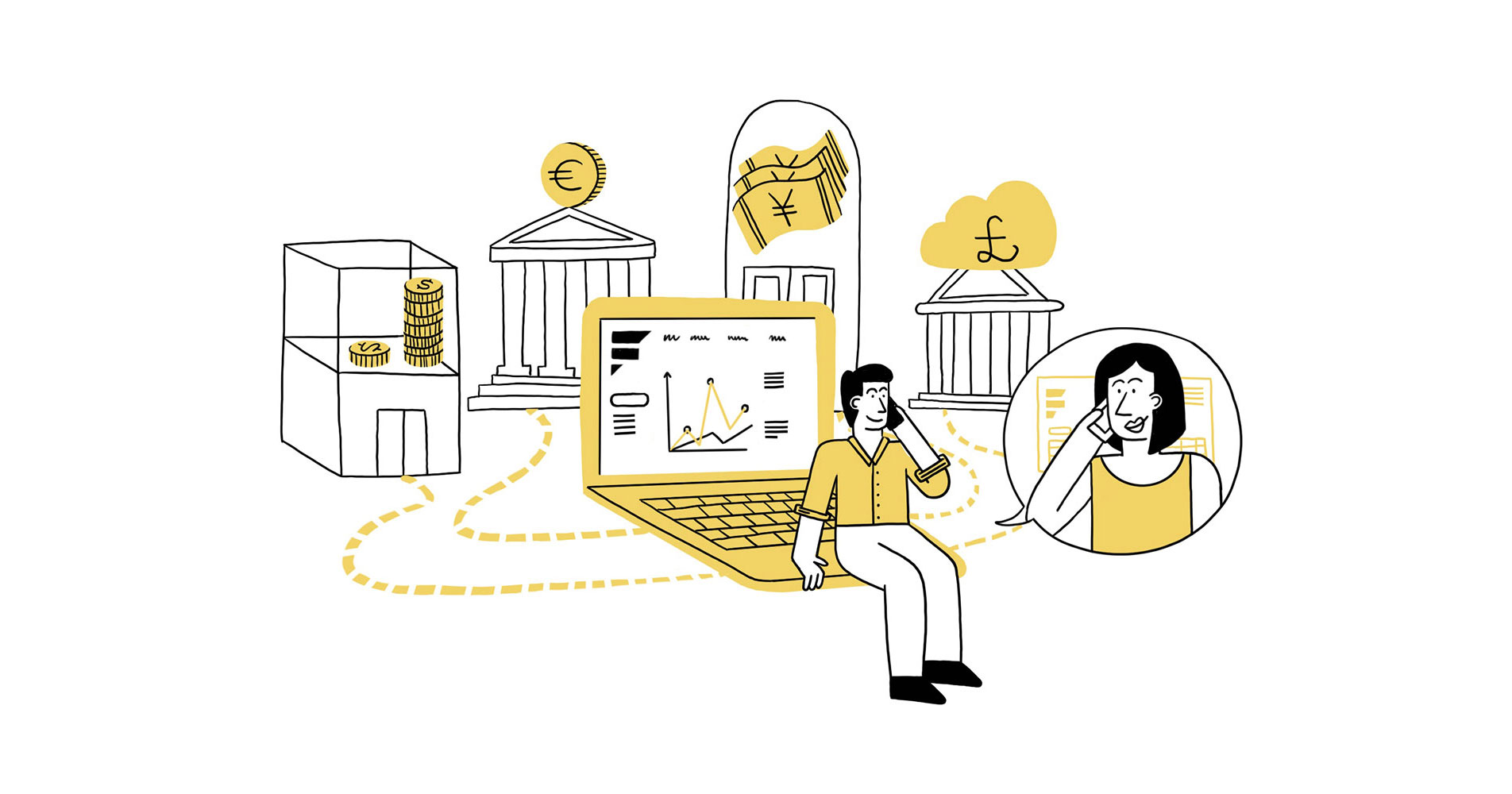
Compliance is not optional. Keep an eye on how jurisdictions are interpreting treasury holdings. For instance, the U.S. Bureau of the Fiscal Service provides reference guidance on accounting standards that can inform how you structure your reporting. Even if you are decentralized, tax implications in your operational hubs matter. Regularly consult legal counsel to ensure your treasury structure doesn't inadvertently violate securities or tax laws.
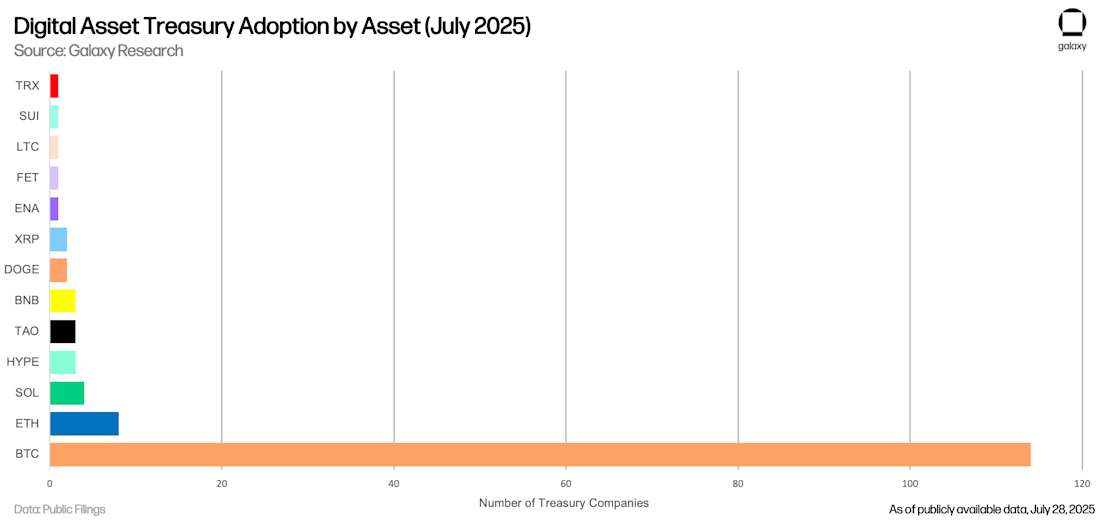
Never rely on a single private key. Use multi-signature wallets (like Gnosis Safe) where multiple stakeholders must approve large transactions. This prevents a single point of failure, whether that failure is a compromised key or a rogue team member. Define clear thresholds for different transaction sizes to ensure oversight without slowing down daily operations.
| Risk Type | Impact | Mitigation |
|---|---|---|
| Smart Contract Exploit | Total Loss | Audits & Verification |
| Market Volatility | Devaluation | Stablecoin Buffer |
| Regulatory Action | Legal Penalties | Legal Counsel |
| Key Compromise | Theft | Multi-Sig Wallets |
A treasury that ignores these checks is a liability, not an asset. By embedding these practices into your workflow, you ensure that your resources remain available for the long haul, protecting your community's interests against both technical and external threats.
Common treasurer mistakes to avoid
Even experienced finance leaders stumble when managing corporate liquidity. The most frequent error is relying on manual spreadsheets for cash forecasting. Static data and disconnected files make forecasting slow, cumbersome, and prone to errors, leaving teams unable to react quickly to market shifts [src-serp-6].
Another pitfall is the lack of scenario planning. Treasurers who only track current balances miss critical future risks. Accurate forecasting requires the ability to plan for multiple scenarios, not just one static outlook. Without this flexibility, strategic decisions are made in the dark.
To stay ahead, automate data collection and integrate real-time analytics. This reduces manual entry errors and provides a clear view of your financial health. Treasurers who embrace these tools can make informed decisions that protect and grow company value.
Frequently asked questions about based treasuries
What are common treasurer mistakes?
Accurate forecasting and the ability to plan for multiple scenarios are absolute musts for Treasurers who want to make informed strategic decisions. However, many treasurers still rely on outdated methods (à la spreadsheets) and static data, which makes forecasting slow, cumbersome, and prone to errors [1].
How do based treasuries differ from traditional ones?
Based treasuries prioritize liquidity and risk mitigation through diversified, short-term instruments rather than long-term growth bets. This approach ensures that capital remains accessible for operational needs while minimizing exposure to market volatility.
Is a treasury management system necessary?
A well-researched, well-selected treasury management system can take the complexity of treasury, simplify it, and empower the lean treasury team with automation [2]. For organizations managing complex cash flows, such tools are often essential for maintaining accuracy and compliance.
Helpful gear
Use these product recommendations as a starting point, then choose the size, material, and price point that fit how you actually use the gear.

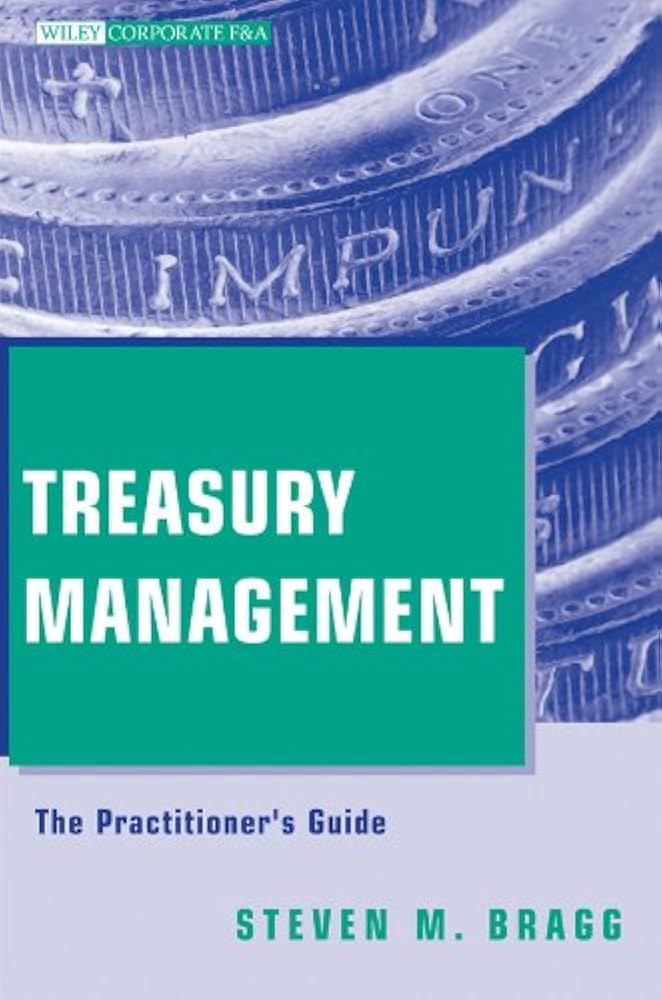

As an Amazon Associate, we may earn from qualifying purchases.
No comments yet. Be the first to share your thoughts!