Defining the modern based treasury
A Based Treasury is a DAO’s financial engine, but it operates on a completely different operating system than traditional corporate finance. In the Web3 world, treasury management isn’t just about tracking cash reserves; it’s about managing liquidity, mitigating smart contract risk, and ensuring that every transaction is publicly verifiable on-chain. This shift from off-chain accounting to on-chain transparency creates a baseline of trust that is essential for decentralized organizations.
Unlike a corporate treasury, which relies on private ledgers and quarterly reports, a Based Treasury is visible to everyone. Every token movement, yield strategy, and multisig approval is recorded on the blockchain. This transparency allows community members to audit the health of their organization in real time, fostering a culture of accountability that is hard to replicate in traditional finance. The "Based" ethos here means embracing this radical openness rather than hiding behind opaque financial statements.
Security is the other pillar of this definition. Without a central bank or insurance fund to fall back on, Based Treasuries rely heavily on multi-signature wallets and decentralized governance protocols to protect assets. Tools like Safe (formerly Gnosis Safe) have become the standard, requiring multiple stakeholders to approve transactions. This prevents single points of failure and ensures that no individual can unilaterally drain the treasury, aligning financial control with the decentralized nature of the DAO itself.
The integration of native assets also sets Based Treasuries apart. Rather than holding only fiat currency, these treasuries often hold a mix of stablecoins, governance tokens, and native chain assets like ETH or SOL. This native integration allows for more efficient capital deployment, such as using treasury assets as collateral for DeFi protocols or participating directly in governance votes. It transforms the treasury from a passive savings account into an active participant in the broader Web3 economy.
Core infrastructure layers for security
A DAO treasury is only as safe as its weakest protocol. In the Based ethos, security isn't a feature; it's the foundation. We move away from centralized custodians to transparent, on-chain verification where every transaction is public and auditable. The goal is simple: eliminate single points of failure.
Multi-signature wallets
The first line of defense is the multi-signature (multisig) wallet. Instead of one private key controlling the funds, a multisig requires multiple independent signers to approve a transaction. This distributes trust and prevents rogue actors or compromised keys from draining the treasury.
Tools like Safe (formerly Gnosis Safe) are the industry standard. They allow you to set thresholds, such as requiring 3 out of 5 signers to approve any movement of funds. This structure ensures that no single individual can unilaterally move assets, aligning with the decentralized nature of DAO governance.
Timelocks
Even with a multisig, urgency can lead to mistakes. Timelocks introduce a mandatory waiting period between a governance vote and the execution of a transaction. This buffer gives the community time to review the proposal and, if necessary, exit the DAO if they disagree with the decision—a feature known as "exit liquidity."
Protocols like Governor Alpha or specialized timelock contracts (e.g., OpenZeppelin's TimelockController) enforce these delays. A typical timelock might be 24 to 48 hours. This pause transforms governance from a reactive impulse into a deliberate process, ensuring that large treasury movements are fully vetted before they happen.
Governance execution layers
The final layer connects the vote to the action. Governance execution layers automate the transfer of funds once a proposal passes and the timelock expires. This removes human error from the execution phase and ensures that the will of the majority is carried out exactly as voted.
Tools like Snapshot for off-chain voting combined with on-chain execution engines (like Tally or Boardroom) create a seamless flow from idea to action. This transparency allows anyone to verify that the treasury is being managed according to the DAO's rules, building trust through code rather than promises.
Essential tools for treasury management
Moving away from manual spreadsheets is the first step toward a trustless treasury. In 2026, DAOs rely on specialized software to track, report, and execute operations with on-chain verification. These tools provide the transparency and decentralization that define the Based ethos, ensuring every transaction is visible and auditable in real time.
The landscape has shifted from simple ledger tracking to comprehensive ecosystem management. Modern platforms integrate multi-signature wallets, automated reporting, and risk analytics into a single dashboard. This consolidation reduces operational friction while maintaining the security standards required for high-stakes asset management.

Core Management Platforms
These platforms serve as the central nervous system for DAO treasuries. They aggregate data from multiple chains and wallets, providing a unified view of assets. Key features include automated compliance checks, tax reporting, and integration with popular multi-sig solutions like Safe.
| Feature | Tool A | Tool B | Tool C |
|---|---|---|---|
| Multi-sig Support | Yes | Yes | Yes |
| Analytics Depth | Advanced | Basic | Advanced |
| Cost | Free Tier | Subscription | Free Tier |
Execution and Security
Execution tools focus on the safe movement of funds. They often include built-in multi-signature workflows and time-lock mechanisms to prevent unauthorized transactions. Security audits and real-time monitoring are standard, ensuring that only verified operations proceed.
Reporting and Compliance
Reporting tools generate transparent records of all treasury activities. They support on-chain verification, allowing members to audit the treasury at any time. These tools also help with regulatory compliance by generating detailed reports for tax and legal purposes.
Integration and Automation
Automation tools connect treasury management with other DAO operations. They can trigger payments based on smart contract conditions, update governance proposals, and notify members of significant events. This integration reduces manual work and minimizes the risk of human error.
Market Context
Understanding the broader market helps in selecting the right tools. The value of treasury assets can fluctuate significantly, impacting DAO operations.
Strategic allocation models for 2026
Treasury management is no longer just about parking funds; it is about active capital deployment. DAOs are shifting from passive holding to structured allocation models that balance liquidity, yield, and risk. The goal is to ensure the organization can operate indefinitely while growing its assets.
We compare three primary models below. Each balances on-chain transparency with real-world financial instruments.
| Model | Core Assets | Yield Source | Risk Profile |
|---|---|---|---|
| Conservative Reserve | USDC, USDT, T-Bills | Money market funds, T-bills | Low |
| Balanced Growth | USDC, ETH, Governance Tokens | Staking, Lending protocols | Medium |
| Aggressive Expansion | Governance Tokens, LP Positions | Voting power, Liquidity mining | High |
The Conservative Reserve model prioritizes survival. It mirrors traditional treasury management: optimize monetary assets, manage daily liquidity, and ensure sufficient cash reserves. DAOs using this model hold stablecoins and short-term Treasuries, often via regulated intermediaries like TreasuryDirect TIPS or institutional money market funds. This approach minimizes volatility but offers lower upside.
The Balanced Growth model introduces risk to generate yield. By allocating a portion of the treasury to ETH or major governance tokens, DAOs can benefit from staking rewards or lending protocol interest. This requires active monitoring of smart contract risks and market volatility. It is the most common starting point for mid-sized DAOs.
The Aggressive Expansion model treats the treasury as a venture capital fund. It relies heavily on native governance tokens and liquidity provision. While this can accelerate growth, it exposes the DAO to significant price swings. This model is suitable only for organizations with strong community backing and clear exit strategies.
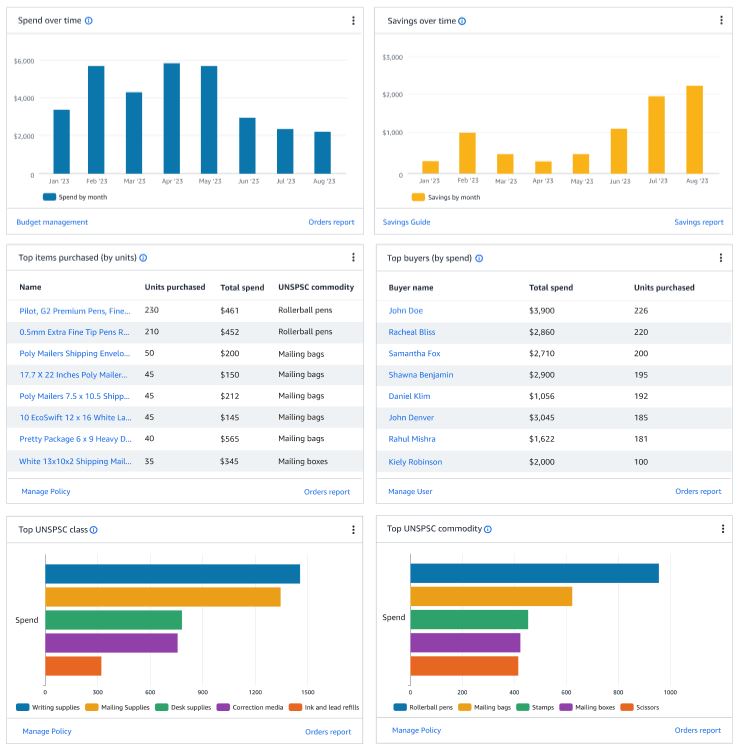
For those looking to implement these models, having the right tools is essential. Below are some resources that can help you understand and manage these allocations.


As an Amazon Associate, we may earn from qualifying purchases.
Risk management and compliance checks
Treasury management is the strategic management of an organization's financial assets, liabilities, and liquidity to achieve specific goals iongroup.com. In Web3, this means balancing transparency with survival. Your DAO’s assets are exposed to smart contract vulnerabilities, regulatory shifts, and sudden liquidity crunches. Without a defense-in-depth strategy, a single exploit or compliance error can drain the treasury instantly.
Smart Contract and Operational Risks
Code is law, but it’s also fallible. Every protocol you interact with carries execution risk. Mitigate this by treating smart contract audits as non-negotiable prerequisites, not optional badges. Use tools like OpenZeppelin Defender to monitor transaction signatures and enforce multi-signature thresholds before funds move. Regularly verify that your multisig signers are using hardware wallets and that no single entity holds excessive voting power.
Regulatory and Liquidity Checks
Regulatory uncertainty is a constant, but compliance isn’t optional. Stay updated on local securities laws and tax implications for your DAO’s jurisdiction. Use on-chain analytics tools like Nansen or Dune to track liquidity pools and ensure you aren’t over-exposed to volatile assets. A liquidity crunch hits hardest when you can’t exit positions without slippage. Maintain a reserve of stablecoins in segregated, audited vaults to cover operational costs during market downturns.
Pre-Execution Checklist
Before executing any major treasury transaction, run through this checklist:
-
Verify smart contract audit status and bug bounty history.
-
Confirm gas limits and slippage tolerance for the transaction.
-
Ensure multi-signature thresholds are met and signers are online.
-
Check liquidity depth in the target pool or DEX.
-
Review regulatory compliance for the asset type and jurisdiction.
By embedding these checks into your operational workflow, you protect the DAO’s longevity and uphold the ethos of decentralized, transparent governance.
Frequently asked questions about treasury management
Treasury management for DAOs isn't just about holding assets; it's about keeping the protocol solvent and transparent. Here are the most common questions we get from builders.
No comments yet. Be the first to share your thoughts!