Defining the based treasury model
In the Web3 ecosystem, a based treasury is not merely a bank account for a protocol; it is a structural alignment of incentives. Traditional corporate treasury management focuses on liquidity preservation, risk mitigation, and yield generation through diversified instruments like bonds or money market funds. The goal is stability and operational continuity for shareholders.
A based treasury flips this paradigm by prioritizing the accumulation of the protocol’s native asset. Instead of chasing yield in fiat or stablecoins, the treasury holds the underlying token. This strategy assumes that the best return on a protocol’s own currency is the long-term appreciation of that currency itself, driven by network usage and value accrual.
This approach creates a direct feedback loop. When the treasury holds the native asset, it is incentivized to grow the network’s total value locked (TVL) and adoption, as these factors directly increase the value of its own reserves. It transforms the treasury from a passive savings account into an active stake in the protocol’s success. This model requires a high tolerance for volatility, as the treasury’s value is directly tied to the market performance of the native asset, rather than being insulated by diversified, low-risk instruments.
Core Infrastructure for Secure Custody
A based treasury cannot rely on single-key wallets or unverified smart contracts. The foundation of secure custody requires a multi-signature (multisig) architecture that distributes control across multiple independent keys. This structure ensures that no single actor can unilaterally move funds, providing a critical layer of defense against compromised private keys or internal threats.
Multi-Signature Wallets and Time-Locks
Gnosis Safe (formerly Gnosis Multisig) is the industry standard for on-chain treasury management. It allows organizations to configure threshold signatures, requiring $m$ out of $n$ signers to approve transactions. This flexibility lets treasuries adapt to different risk levels: daily operations might require two of three signers, while large capital movements might require all five.
To prevent rapid, unauthorized outflows, multisig wallets should be paired with time-locks. A time-lock introduces a mandatory delay between transaction proposal and execution. This window gives signers time to detect suspicious activity and vote to cancel the transaction before funds leave the treasury. The combination of multisig and time-locks creates a robust operational framework that balances security with operational efficiency.
Institutional-Grade Custody Solutions
For larger treasuries, institutional-grade custody solutions provide additional security through hardware security modules (HSMs) and distributed key generation. These solutions often integrate with traditional treasury management systems (TMS) to streamline liquidity planning and reporting. By leveraging regulated custodians, projects can access insurance coverage and compliance frameworks that are essential for maintaining stakeholder trust.
The choice between on-chain multisig and off-chain institutional custody depends on the treasury's size and regulatory requirements. On-chain solutions offer transparency and self-custody, while institutional custody provides legal recourse and insurance. Most mature treasuries employ a hybrid approach, keeping operational funds in multisig wallets and reserves in institutional custody.

Monitoring Volatility Risks
Treasury infrastructure must also account for market volatility. The value of treasury holdings can fluctuate significantly, impacting the project's ability to meet obligations. Monitoring tools and automated rebalancing strategies help maintain target asset allocations and mitigate risk exposure.
Yield generation tools and strategies
Generating yield on treasury assets requires balancing liquidity needs against return potential. For on-chain treasuries, three primary mechanisms dominate: native staking, DeFi lending protocols, and liquid staking derivatives (LSDs). Each approach offers distinct risk-return profiles, and the choice often depends on the organization's time horizon and risk tolerance.
Native Staking
Native staking involves locking assets directly into a Proof-of-Stake (PoS) network's validator set. This method provides the highest yield relative to risk because it captures the full protocol reward without intermediaries. However, it requires technical expertise to run validators or delegate to reputable operators, and funds are often locked for unbonding periods ranging from days to weeks. This illiquidity makes native staking suitable for long-term hold strategies rather than daily operational cash management.
DeFi Lending Protocols
DeFi lending platforms like Aave or Compound allow treasuries to lend idle assets to borrowers in exchange for interest. The primary advantage here is liquidity; most assets can be withdrawn instantly, subject to market conditions. Yields fluctuate based on supply and demand dynamics within the protocol. While generally safer than speculative trading, lending carries smart contract risk and counterparty risk if over-collateralization fails. Treasuries should diversify across multiple protocols to mitigate single-point failure risks.
Liquid Staking Derivatives
Liquid Staking Derivatives (LSDs) solve the liquidity problem of native staking by issuing a tokenized receipt (e.g., stETH) that represents the staked asset. These tokens can be used in other DeFi applications, such as lending or providing liquidity, effectively "double-dipping" on yield. However, this introduces smart contract risk and potential de-pegging events. LSDs are ideal for treasuries seeking to maximize yield while maintaining some level of flexibility, though they require careful monitoring of the underlying staking protocol's health.
| Method | Yield Potential | Liquidity | Primary Risk |
|---|---|---|---|
| Native Staking | High | Low | Unbonding lock-up |
| DeFi Lending | Medium | High | Smart contract exploit |
| Liquid Staking | Very High | Medium | De-pegging/Slashing |
Market research and risk assessment
The Based Treasury works best as a clear sequence: define the constraint, compare the realistic options, test the tradeoff, and choose the path with the fewest hidden costs. That order keeps the advice usable instead of decorative. After each step, pause long enough to check whether the recommendation still fits the reader's actual situation. If it depends on perfect timing, unusual access, or a best-case budget, include a simpler fallback.
The simplest way to use this section is to write down the real constraint first, compare each option against it, and choose the path that still works outside ideal conditions.
Building a sustainable based treasury roadmap
Implementing a based treasury strategy requires moving beyond simple accumulation to a structured framework. This roadmap guides you from initial asset acquisition through ongoing rebalancing and governance, ensuring your protocol remains solvent and aligned with market conditions. Think of this process as calibrating a financial engine: each component must work in sync to convert volatility into sustainable yield.
Start by establishing clear boundaries for your treasury. Determine the percentage of assets held in stablecoins for liquidity versus volatile assets like Bitcoin for long-term appreciation. Set explicit risk limits for each asset class to prevent overexposure during market downturns. This foundational step ensures your treasury can withstand volatility while maintaining operational liquidity.
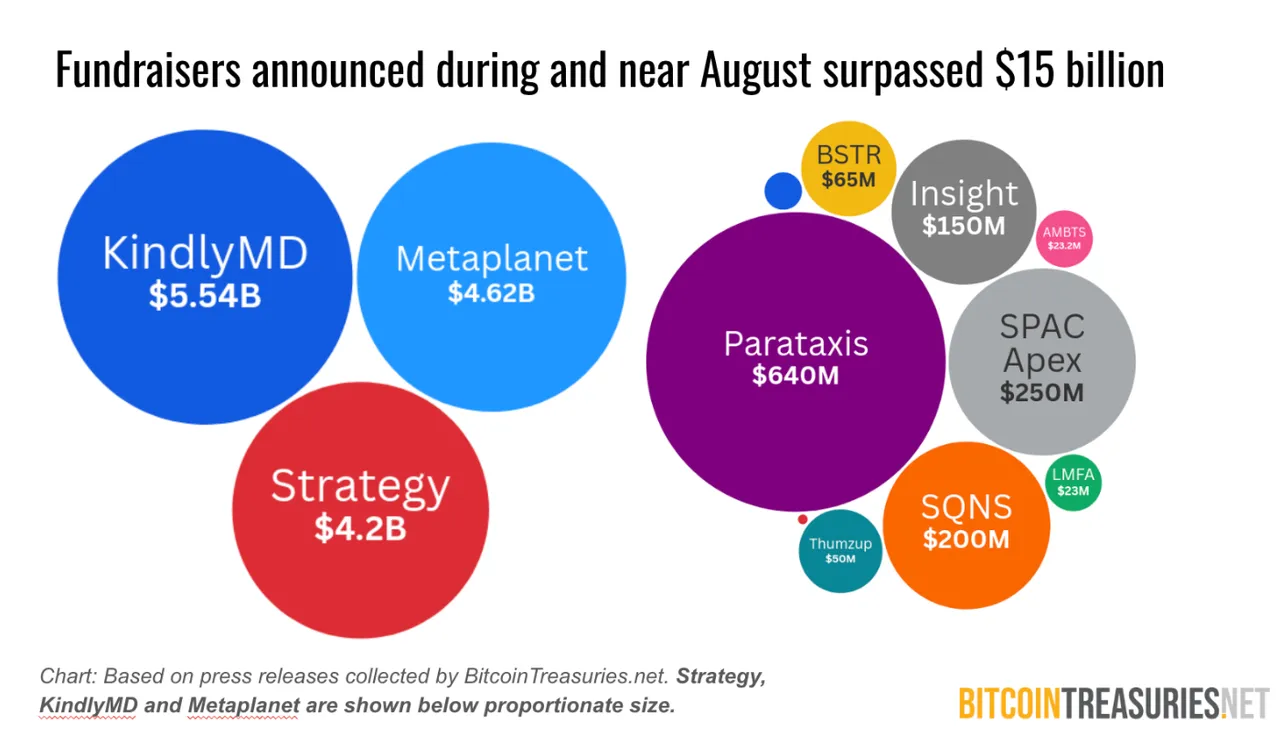
Choose custody solutions that align with your security requirements, whether multi-signature wallets or institutional-grade vaults. Integrate execution tools that allow for automated rebalancing and yield generation. The infrastructure must support transparent reporting and secure transaction signing to protect against operational errors or external threats.
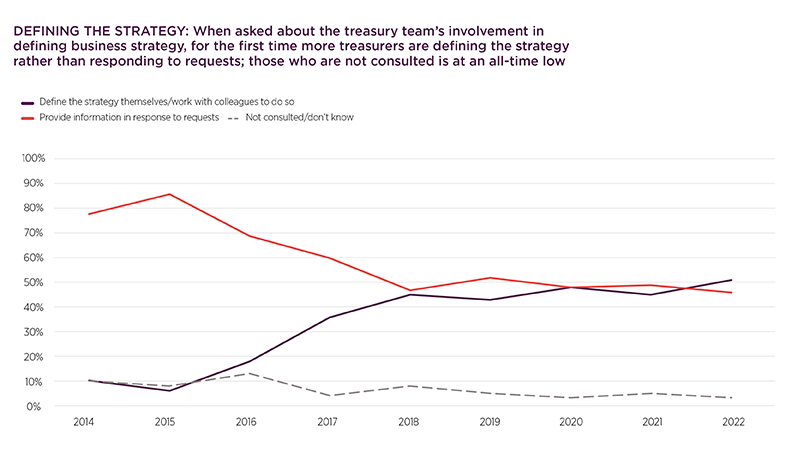
Deploy idle capital into yield-generating opportunities that match your risk tolerance. This might include staking, lending, or providing liquidity in vetted protocols. Prioritize strategies with proven track records and clear exit mechanisms. Regularly assess the sustainability of yield sources to ensure they are not relying on unsustainable token emissions.
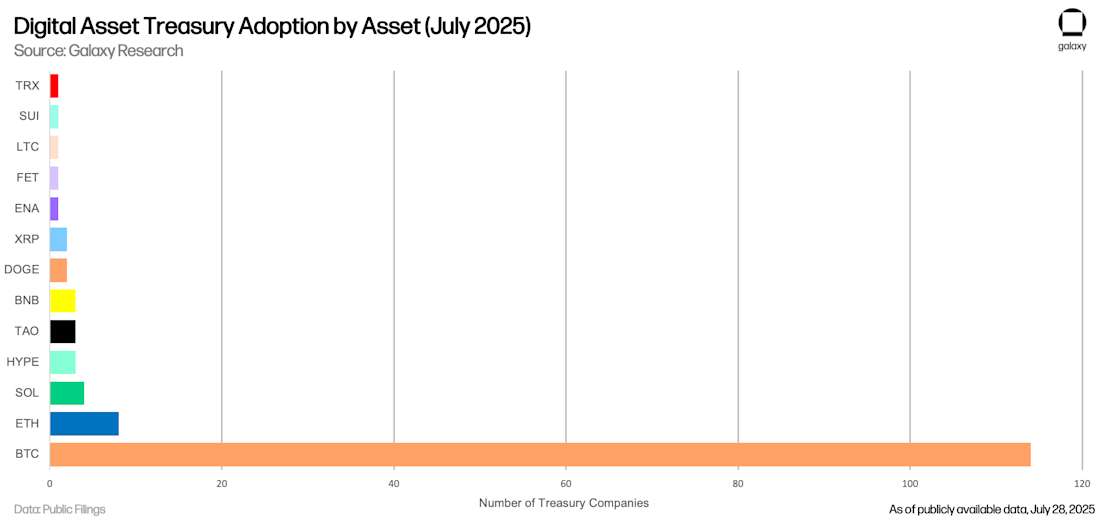
Create a governance framework that defines when and how treasury assets are rebalanced. Use predefined triggers based on market conditions or portfolio drift rather than discretionary decisions. This removes emotional bias and ensures consistent execution. Document these protocols clearly for stakeholders to maintain trust and transparency.
Conclusion
A sustainable based treasury is not static; it evolves with the market. By following this structured approach, you build resilience and maximize long-term value for your protocol. Regular audits and community feedback should inform ongoing adjustments to this roadmap.
Common treasury management: what to check next
Treasury management is the strategic oversight of an organization’s assets, liabilities, and liquidity to meet specific financial goals. It ensures that funds are available for daily operations while managing risk and optimizing returns on idle cash.
Helpful gear
Use these product recommendations as a starting point, then choose the size, material, and price point that fit how you actually use the gear.



As an Amazon Associate, we may earn from qualifying purchases.
No comments yet. Be the first to share your thoughts!