What is a based treasury?
A based treasury model flips the script on traditional corporate finance. Instead of hoarding cash for stability, these entities hold the native assets of their ecosystem—tokens that drive the protocol’s utility and governance. This approach aligns the treasury’s success directly with the health of the network, turning financial reserves into active community tools rather than passive savings accounts.
Traditional treasuries focus on liquidity, risk management, and fiat hedging to ensure operational continuity. A based treasury prioritizes native token utility and on-chain governance over fiat hedging. This shift means the treasury isn't just a vault; it's a participant in the ecosystem, using its holdings to incentivize growth, secure the network, or fund development through transparent, on-chain mechanisms.
This model relies on radical transparency. Every transaction is visible on the blockchain, allowing the community to verify asset allocation in real time. There are no quarterly reports buried in PDFs; the ledger is the report. This openness builds trust and ensures that treasury decisions serve the long-term alignment of the protocol and its users, rather than a closed circle of executives.
By holding the assets that matter most to the protocol, based treasuries create a feedback loop where value accrual benefits the community directly. This isn't just about preserving capital; it's about deploying it in ways that strengthen the network's foundation and reward those who contribute to its success.
Core infrastructure layers
A secure Based Treasury relies on a stack that separates custody, execution, and valuation. You need multisig wallets to control access, smart contract frameworks to handle logic, and oracles to provide real-time data. Without these layers, you are just holding keys in a digital jar.
Multisig wallets and access control
Multisignature wallets are the first line of defense. They require multiple private keys to authorize a transaction, preventing a single point of failure. For a treasury, this means no one person can drain funds. The standard setup involves a threshold signature scheme, where at least two out of three (or more) designated signers must approve any movement of assets. This structure balances security with operational efficiency, ensuring that emergency responses are possible without compromising on safety.
Smart contract frameworks
Once access is secured, you need a framework to execute transactions programmatically. Smart contract frameworks like OpenZeppelin provide audited, standardized code for tokens and governance logic. Using these frameworks reduces the risk of custom code vulnerabilities. They allow you to build complex treasury strategies—such as automated rebalancing or yield distribution—without reinventing the wheel. The goal is to let code enforce rules, not human memory.
Oracle integrations for valuation
Treasury health depends on accurate, real-time valuation. Oracles like Chainlink feed external data onto the blockchain, providing the price feeds needed to assess asset values. Without reliable oracles, your treasury’s net worth is a guess. Integrating these feeds allows your smart contracts to react to market changes instantly, triggering alerts or rebalancing actions based on live data rather than stale snapshots.

Market Context
Understanding volatility is essential for treasury management. Below is a technical chart of Ethereum, the primary settlement layer for most Based Treasuries, showing recent price action and volume.
Essential treasury tools
Treasury management relies on specialized software to handle yield, risk, and governance. The right stack turns manual processes into automated workflows, reducing errors and exposing opportunities faster. Below is a comparison of the primary tool categories used in modern corporate treasuries.
| Tool Category | Primary Function | Security Model | Typical Cost |
|---|---|---|---|
| DeFi Yield Aggregators | Auto-optimizing yield across protocols | Smart contract audits, insurance | Variable gas + yield fees |
| Risk Monitoring Dashboards | Real-time liquidity and exposure tracking | Role-based access, encryption | SaaS subscription |
| Governance Execution Platforms | Voting and proposal automation | Multi-sig wallets, time-locks | Platform fee or % of assets |
| Treasury Management Systems (TMS) | Cash forecasting and reconciliation | Enterprise SSO, compliance logs | High-tier enterprise license |
DeFi yield aggregators like Yearn or Aave act as automated portfolio managers. They rebalance assets across protocols to capture the best risk-adjusted returns without constant manual intervention. This is particularly useful for treasuries holding stablecoins or major assets like Ethereum.
Risk monitoring dashboards provide the visibility needed to make informed decisions. Tools like Nansen or Glassnode track on-chain movements, offering real-time data on liquidity pools and whale activity. This transparency is critical for managing exposure in volatile markets.
Governance execution platforms, such as Snapshot or Tally, streamline the voting process. They allow treasury teams to manage proposals and execute decisions securely using multi-sig wallets. This reduces the administrative burden of participating in decentralized governance.
For teams looking to implement these tools, hardware wallets and secure access devices are essential. Consider investing in dedicated hardware for key management to ensure the highest level of security.



As an Amazon Associate, we may earn from qualifying purchases.
While these tools offer significant advantages, they also introduce new risks. Smart contract vulnerabilities and regulatory uncertainty are constant concerns. Always conduct thorough due diligence before deploying treasury assets into any new protocol or platform.
The landscape of treasury tools is evolving rapidly. Staying informed about new developments and best practices is essential for maintaining a secure and efficient treasury operation. Regular audits and updates to your software stack are recommended to mitigate emerging threats.
Balance native exposure with stable liquidity
Treasury management is not just about holding tokens; it is about optimizing the mix of assets to survive market cycles while funding long-term protocol growth. A healthy treasury balances the upside potential of native tokens with the stability required for daily operations. This balance ensures you can pay for development and security audits without liquidating core assets at a market low.
Start by defining your liquidity buffer. This portion of the treasury should be held in stablecoins or short-term, low-risk instruments to cover immediate operational expenses. Think of this as the oxygen mask for your protocol: it keeps the lights on when volatility spikes. The remaining capital can be allocated to native tokens or blue-chip assets like ETH, which serve as the engine for long-term value appreciation.
To illustrate this split, consider the current market conditions for Ethereum and USDC. ETH provides the growth trajectory, while USDC offers the predictable floor needed for treasury stability.
For a deeper look at the primary asset in most DeFi treasuries, review the technical performance of Ethereum. This chart helps contextualize how native token exposure contributes to overall treasury health over time.
Risk management and compliance
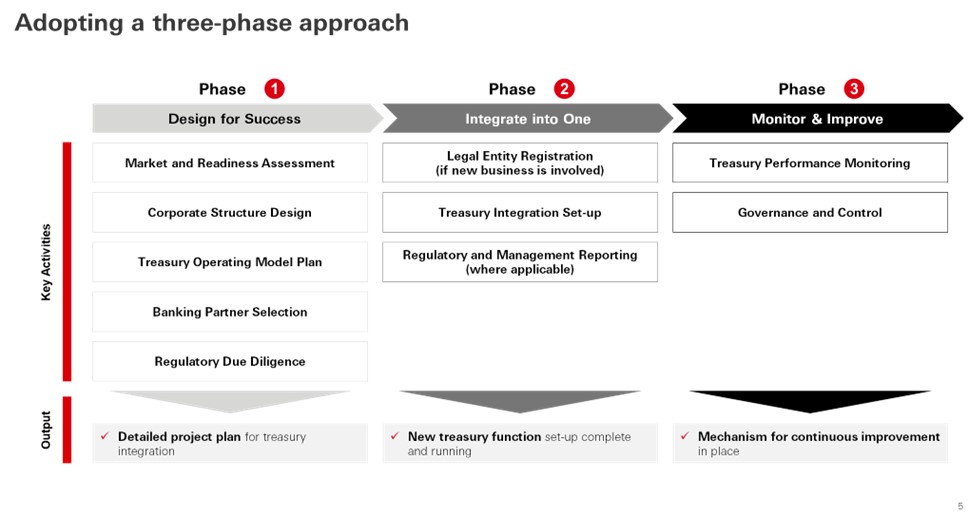
Treasury management is less about chasing yield and more about keeping the doors open. It focuses on optimizing monetary assets, managing daily liquidity, and ensuring sufficient cash reserves to sustain operations [AFP]. In the Based ecosystem, that means treating risk as a feature, not an afterthought. The stakes are high, but the tools are accessible if you follow a disciplined process.
Before deploying capital, verify the security posture of every protocol. Rely on official audit reports from firms like OpenZeppelin or Trail of Bits. Treat these reports as the baseline, not a guarantee. Always assume there is a residual risk of exploit, especially with newer or unaudited contracts.
Treasury decisions must align with current legal frameworks. Consult official resources like the Financial Professionals (AFP) guides to understand compliance obligations [AFP]. This is not legal advice, but a necessary step to avoid accidental violations. Keep track of evolving regulations in your jurisdiction, particularly regarding stablecoins and cross-border transfers.
Consider coverage for smart contract failures. Platforms like Nexus Mutual or InsurAce offer decentralized insurance options. Evaluate the cost of premiums against the potential loss of treasury funds. This acts as a financial safety net, allowing you to recover from black-swan events that audits might miss.
A robust treasury doesn't just survive volatility; it thrives on preparedness. By treating security and compliance as non-negotiable pillars, you protect the organization's longevity.
Frequently asked: what to check next
Treasury management often sounds like corporate jargon, but the core concept is straightforward. It is the strategic management of an organization's financial assets, liabilities, and liquidity to achieve specific goals src-serp-1. Think of it as the engine room: it doesn't always get the spotlight, but it keeps the ship moving smoothly by ensuring cash is available when needed.
What is treasury management for beginners?
Treasury management focuses on optimizing the use of monetary assets, managing daily liquidity and risk, and ensuring sufficient cash reserves to sustain ongoing operations. By guaranteeing fund availability, treasury management enables the execution of strategic initiatives aimed at achieving the organization's goals.
Why is treasury management important?
Without proper treasury management, a company might be profitable on paper but lack the cash to pay payroll or suppliers. It acts as the financial immune system, identifying risks like currency fluctuations or interest rate hikes before they cause damage, while simultaneously ensuring the business has the resources to seize growth opportunities.
What are the core functions of treasury management?
The primary functions include cash management, risk management, and corporate finance. Cash management handles daily inflows and outflows. Risk management protects the company from financial volatility. Corporate finance involves strategic decisions about debt, equity, and investments to maximize shareholder value.
No comments yet. Be the first to share your thoughts!