Defining the Based Treasury Strategy
A Based Treasury Strategy is not merely a portfolio adjustment; it is a structural shift in how an organization views value storage and yield generation. In the current market context, it distinguishes itself from traditional fiat treasury management by prioritizing sovereignty, transparency, and sustainability over opaque off-balance-sheet assets. While traditional treasuries often rely on low-yield government bonds or private banking relationships, a Based approach leverages on-chain infrastructure to create verifiable, permissionless yield streams.
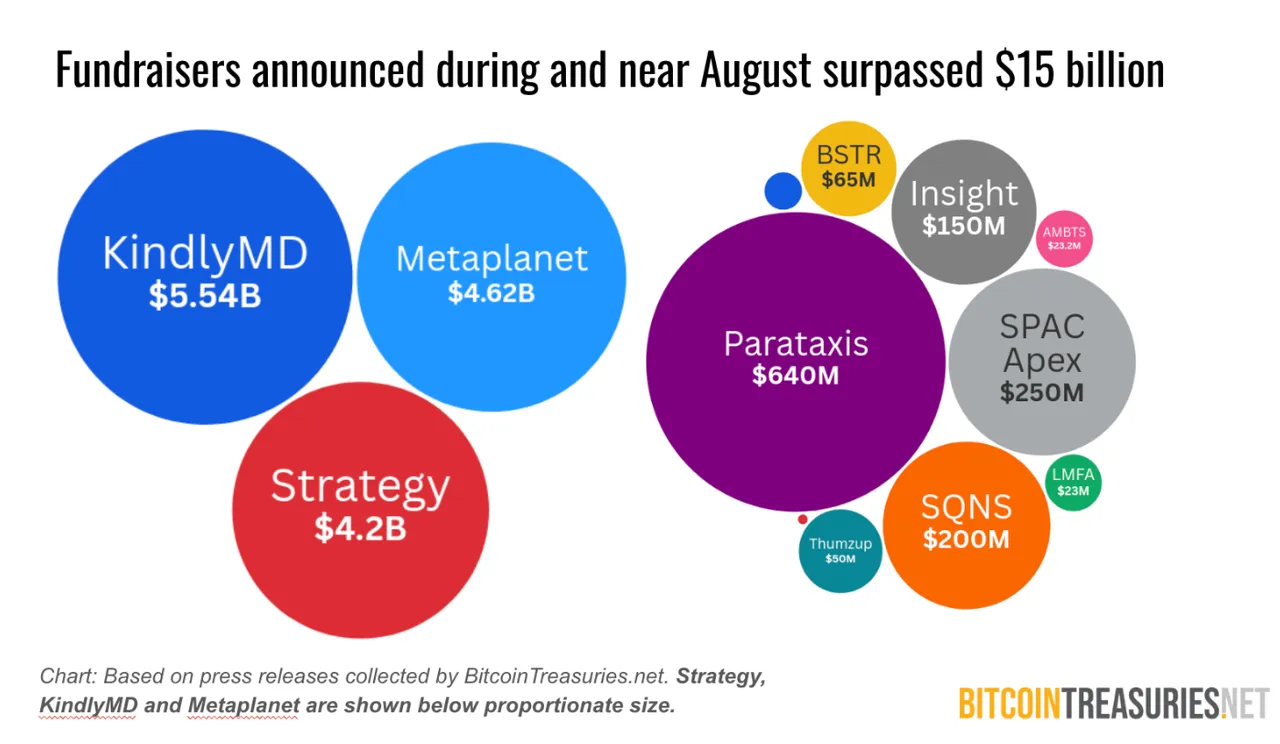
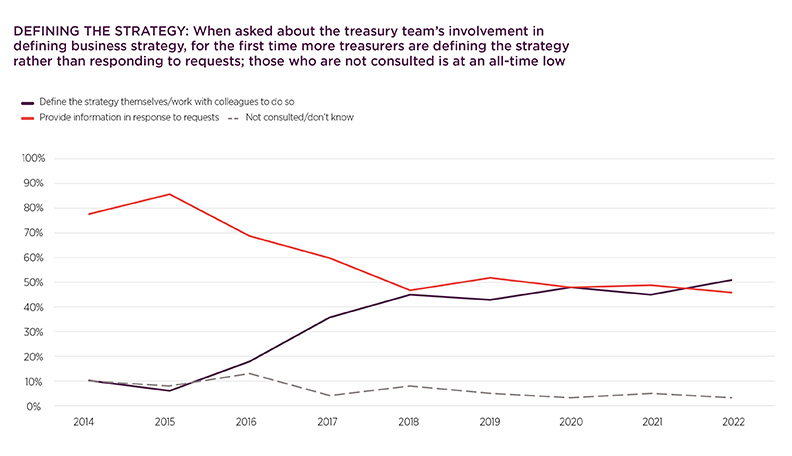
The distinction lies in the mechanism of trust. Traditional treasury management, as outlined by firms like Deloitte, focuses heavily on mitigation, monitoring, and human capital controls to protect liquidity. In contrast, a Based Treasury Strategy embeds these controls into smart contracts and public ledgers. This shift allows for real-time auditability and reduces counterparty risk, which is critical for organizations seeking resilience in a volatile financial landscape. Public companies have increasingly recognized this value, with recent allocations exceeding $40 billion into crypto treasuries, signaling a move toward more dynamic asset management.
Sustainability is the core driver of this strategy. Rather than treating digital assets as speculative holdings, a Based Treasury views them as productive infrastructure. This means prioritizing protocols that offer consistent, transparent yield over those promising high-risk, short-term gains. The goal is to build a treasury that can withstand market cycles through diversification and on-chain verification, ensuring that every asset held contributes to the organization's long-term financial health.
Core Infrastructure Components
A Based Treasury strategy relies on a technical stack that prioritizes sovereignty, transparency, and sustainability. Unlike traditional corporate treasuries that rely on opaque banking ledgers, on-chain treasury management requires a stack built for public verification and cryptographic security. The goal is to minimize counterparty risk while maintaining operational efficiency.
Custody Solutions
Custody is the foundation of treasury security. For a Based strategy, self-custody is non-negotiable. This means holding private keys in hardware security modules (HSMs) or multi-signature wallets rather than relying on centralized exchanges. Institutional-grade custody solutions, such as those provided by GMO Trust or Fireblocks, offer the necessary infrastructure for high-stakes asset management while maintaining control over private keys.
The architecture typically involves a multi-sig framework where transactions require approval from multiple independent signers. This distributes risk and prevents single points of failure. As Deloitte notes in their analysis of digital asset adoption, mitigation strategies must include robust treasury controls and system automation to ensure that human error or malicious intent is caught before funds move. The technology must serve as a shield, not a bottleneck.
Smart Contract Security
Smart contracts are the execution layer of the treasury. They automate yield generation, rebalancing, and distribution. However, code is only as secure as its audits. Every contract deployed to manage treasury assets must undergo rigorous third-party audits from reputable firms. Common vulnerabilities like reentrancy attacks or integer overflows can drain funds in seconds.
Transparency is key. Using open-source contracts allows the community to verify the logic, aligning with the Based philosophy of "don't trust, verify." Regular security reviews and bug bounty programs should be standard practice. The treasury should not just be secure; it should be provably secure to the public.
Multi-Sig Governance Frameworks
Governance determines who controls the treasury and how decisions are made. Multi-signature wallets (like Gnosis Safe) are the standard for decentralized organizations. They require a threshold of signatures (e.g., 3-of-5) to execute transactions, ensuring that no single entity can unilaterally move funds.
This structure supports sustainable decision-making by forcing consensus among stakeholders. It aligns with the principle of sovereignty: the treasury belongs to the community, not a CEO. The governance framework should be documented and accessible, detailing roles, responsibilities, and emergency procedures. This clarity builds trust and ensures long-term stability.

Tooling for Yield and Liquidity
Generating yield on idle capital requires matching the right protocol to your risk tolerance. A based treasury prioritizes sovereignty and transparency, meaning you should understand the mechanics behind every yield source. The three primary vehicles for 2026 are stablecoin lending, liquid staking, and structured products. Each offers different risk-reward profiles depending on market conditions.
Stablecoin Lending
Stablecoin lending provides the lowest volatility yield by lending USDC or USDT to borrowers. Protocols like Aave and Compound allow you to earn interest on idle cash. This is ideal for treasury reserves that need to remain liquid but earn more than zero. The primary risk is smart contract vulnerability or de-pegging events.
Liquid Staking
Liquid staking tokens (LSTs) like stETH or rETH allow you to earn staking rewards while retaining liquidity. You stake ETH to secure the network and receive a token that appreciates in value relative to ETH. This is the highest yield potential but introduces smart contract and slashing risks. It is best for long-term holdings where you believe in Ethereum's sovereignty.
Structured Products
Structured products like curve pools or basis trades offer higher yields through complex mechanics. These involve providing liquidity to automated market makers or exploiting price differences between spot and futures markets. The yield is attractive, but the risk of impermanent loss or liquidation is significant. Use these only for a small portion of the treasury.
| Strategy | Risk Level | Liquidity | Yield Source |
|---|---|---|---|
| Stablecoin Lending | Low | High | Borrower Interest |
| Liquid Staking | Medium | Medium | Staking Rewards |
| Structured Products | High | Low | Trading Fees/Arbitrage |
Choosing the right mix depends on your treasury's goals. If you need to preserve capital, lean heavily on stablecoin lending. If you want to bet on ETH's long-term value, allocate to liquid staking. Structured products should be reserved for experienced treasuries that can actively manage risk. Always verify the smart contract audits and insurance coverage of any protocol you use.


As an Amazon Associate, we may earn from qualifying purchases.
Conduct ongoing market research
Treasury strategy is not a set-it-and-forget-it arrangement. It requires constant calibration against macroeconomic shifts, regulatory changes, and protocol-specific risks. To maintain sovereignty and transparency, you must treat your treasury as a living system rather than a static vault.
Start with macroeconomic indicators. Traditional finance offers a blueprint for safety. For instance, the GMO US Treasury Strategy prioritizes liquidity and principal safety by investing in securities backed by the full faith credit of the US government. This approach highlights the importance of anchoring a portion of your treasury in low-risk, highly liquid assets to weather volatility.
Next, monitor regulatory shifts. Regulatory environments in crypto are evolving rapidly. A change in how stablecoins or decentralized exchanges are treated can impact liquidity pools and collateral requirements overnight. Staying informed through official sources and primary regulatory filings is essential to avoid sudden compliance shocks.
Finally, assess protocol-specific risks. Your treasury is only as strong as the protocols it interacts with. Smart contract vulnerabilities, governance attacks, and oracle failures are real threats. Regular audits and continuous monitoring of on-chain activity are non-negotiable for a sustainable treasury.
Building Your Treasury Checklist
A Based Treasury isn't just a wallet; it's an operational framework. To implement this strategy effectively, you need a concrete audit of your current infrastructure. This checklist ensures your treasury aligns with the core principles of sovereignty, transparency, and sustainability.
Verify that your private keys are held in a multi-signature wallet with geographically distributed signers. Avoid single-point-of-failure custodians. Sovereignty requires that you, and only you, control the keys. Review your current provider's security audits and insurance coverage.
Document every source of incoming capital and outgoing obligation. A robust treasury strategy requires accurate cash flow forecasting to avoid liquidity crunches. Ensure your stablecoin reserves are diversified across reputable issuers to mitigate counterparty risk.
Set clear parameters for how idle capital is deployed. Whether through lending protocols or staking, establish risk limits and exit strategies. Transparency in yield sources is critical for maintaining trust with stakeholders. Avoid high-risk, opaque yield farms.

Deploy dashboards that track portfolio composition, PnL, and exposure in real time. Tools like TradingView can help visualize market trends affecting your assets. Regular reporting ensures that your treasury remains aligned with your long-term strategic goals.
This checklist serves as your foundation. Regularly revisit these steps to adapt to market conditions and ensure your treasury remains resilient and compliant with evolving regulatory standards.
No comments yet. Be the first to share your thoughts!