Defining a based treasury approach
A based treasury strategy rejects the traditional model of holding cash and short-term bonds as a primary reserve. Instead, it anchors the balance sheet in native crypto assets, treating them as long-term stores of value rather than speculative trading inventory. This approach prioritizes native asset exposure, accepting volatility in exchange for potential asymmetric upside and sovereignty over fiat devaluation.
The philosophy is rooted in the conviction that Bitcoin and other native protocols offer superior monetary properties compared to traditional fixed-income instruments. By holding these assets for the long term, organizations align their financial health with the growth of decentralized networks. This is not about day-trading market fluctuations; it is about building a fortress balance sheet that benefits from the network effect and scarcity of the underlying assets.
Traditional corporate treasuries often view crypto as a high-risk, low-weight alternative asset, capping exposure at 1-5% of total reserves. A based approach flips this dynamic, making the native asset the core reserve currency. This shift requires a different risk management framework, one that emphasizes holding through cycles rather than timing exits. The goal is to preserve purchasing power over decades, leveraging the historical performance of digital scarcity to outpace inflation in traditional fiat systems.
Core infrastructure for treasury operations
A robust based treasury strategy relies on a technical stack designed for security, transparency, and operational efficiency. Unlike traditional corporate treasuries that rely on legacy banking rails, crypto treasuries operate on public ledgers, requiring a different set of tools to manage risk and liquidity.
Multi-signature wallets
Multi-signature (multi-sig) wallets are the foundation of secure treasury management. By requiring multiple private keys to authorize a transaction, they eliminate single points of failure. This structure ensures that no single individual can move funds, enforcing a consensus mechanism that aligns with decentralized governance principles.
Custody solutions
For larger holdings, institutional-grade custody solutions provide a balance between security and accessibility. These services offer insured storage and compliance frameworks that protect assets from theft or loss while allowing for seamless integration with trading and DeFi protocols. Choosing the right custodian depends on the trade-off between self-custody control and third-party risk mitigation.
On-chain governance tools
On-chain governance tools enable treasury participants to vote on fund allocation, investment strategies, and protocol upgrades. These tools translate off-chain consensus into on-chain actions, ensuring that treasury movements reflect the collective will of stakeholders. This transparency builds trust and aligns incentives across the ecosystem.

Evaluate Yield Opportunities
Treasury strategy in 2026 is less about chasing the highest number and more about understanding the source of that number. Sustainable yield comes from real economic activity, such as lending to creditworthy borrowers or providing liquidity to active markets. Risky incentives, often seen in new protocols, rely on token emissions that eventually dry up, leaving holders with devalued assets and no real cash flow.
Risk-Adjusted Returns
Not all yield is created equal. A 20% APY from a stablecoin lending protocol backed by institutional borrowers is fundamentally different from a 50% APY from a new liquidity mining program. The former offers lower volatility and clearer recourse; the latter is speculative and often unsustainable. When evaluating opportunities, look for protocols with transparent audits, real-world asset backing, and revenue models that do not depend solely on inflation.
Market Research Tools
Use provider-backed data to verify claims. Static numbers from blogs can be outdated by the time you read them. Live charts and price widgets show current market sentiment and volatility. For example, a TechnicalChart for BTCUSDT reveals if the underlying asset is trending or consolidating, which affects the safety of leveraged yield strategies. Similarly, a PriceWidget for ETH helps you gauge the cost of capital in liquid staking derivatives.
Comparison Table
The table below compares three common treasury yield strategies based on risk, liquidity, and typical yield sources. Use this as a starting point for your own due diligence.
| Strategy | Risk Level | Liquidity | Yield Source |
|---|---|---|---|
| U.S. Treasuries | Low | High | Government Interest |
| Institutional Lending | Medium | Medium | Corporate Interest |
| Liquid Staking | Medium-High | High | Network Staking Rewards |
| New Protocol Incentives | High | Variable | Token Emissions |
Key Takeaways
- Prioritize yield backed by real assets or established credit.
- Avoid strategies that rely entirely on token emissions.
- Use live market data to assess current risk and liquidity conditions.
- Diversify across strategies with different risk profiles.
Essential tools for treasury management
A based treasury strategy relies on precise execution. You need software that handles tracking, rebalancing, and reporting in real time. The right tools turn volatile crypto assets into a predictable financial structure.
Live asset tracking
Static spreadsheets fail in crypto markets. Prices move while you sleep. You need a dashboard that aggregates positions across multiple chains and wallets. This visibility is the foundation of any treasury strategy. It allows you to see your net exposure to BTC and ETH instantly.
Automated rebalancing
Manual rebalancing is slow and prone to error. Use platforms that connect to your treasury wallets via secure APIs. These tools can trigger swaps when your allocation drifts from the target percentage. This automation keeps your risk profile aligned with your stated strategy without constant manual intervention.
Reporting and compliance
Transparency builds trust with your community. Treasury management software should generate clear reports on asset composition, transaction history, and realized gains. Look for tools that support multi-sig sign-offs for audit trails. This ensures every move is documented and verifiable.
Technical analysis integration
Timing matters. Integrate technical charting directly into your treasury dashboard. You can identify support and resistance levels for your rebalancing triggers. This prevents you from selling assets at local bottoms or buying at peaks.
Executing the Based Treasury Strategy for 2026
Building a Based Treasury Strategy for 2026 requires moving from theoretical allocation to automated execution. The goal is to establish a self-sustaining cycle where digital assets generate yield while maintaining strict liquidity buffers for operational needs. This section outlines the five critical phases to implement this strategy effectively.
Before deploying capital, secure your operational foundation. Implement multi-signature wallets and establish clear access controls for treasury managers. Conduct a preliminary security audit of your smart contracts and custodial solutions to mitigate risk before the first transaction occurs.
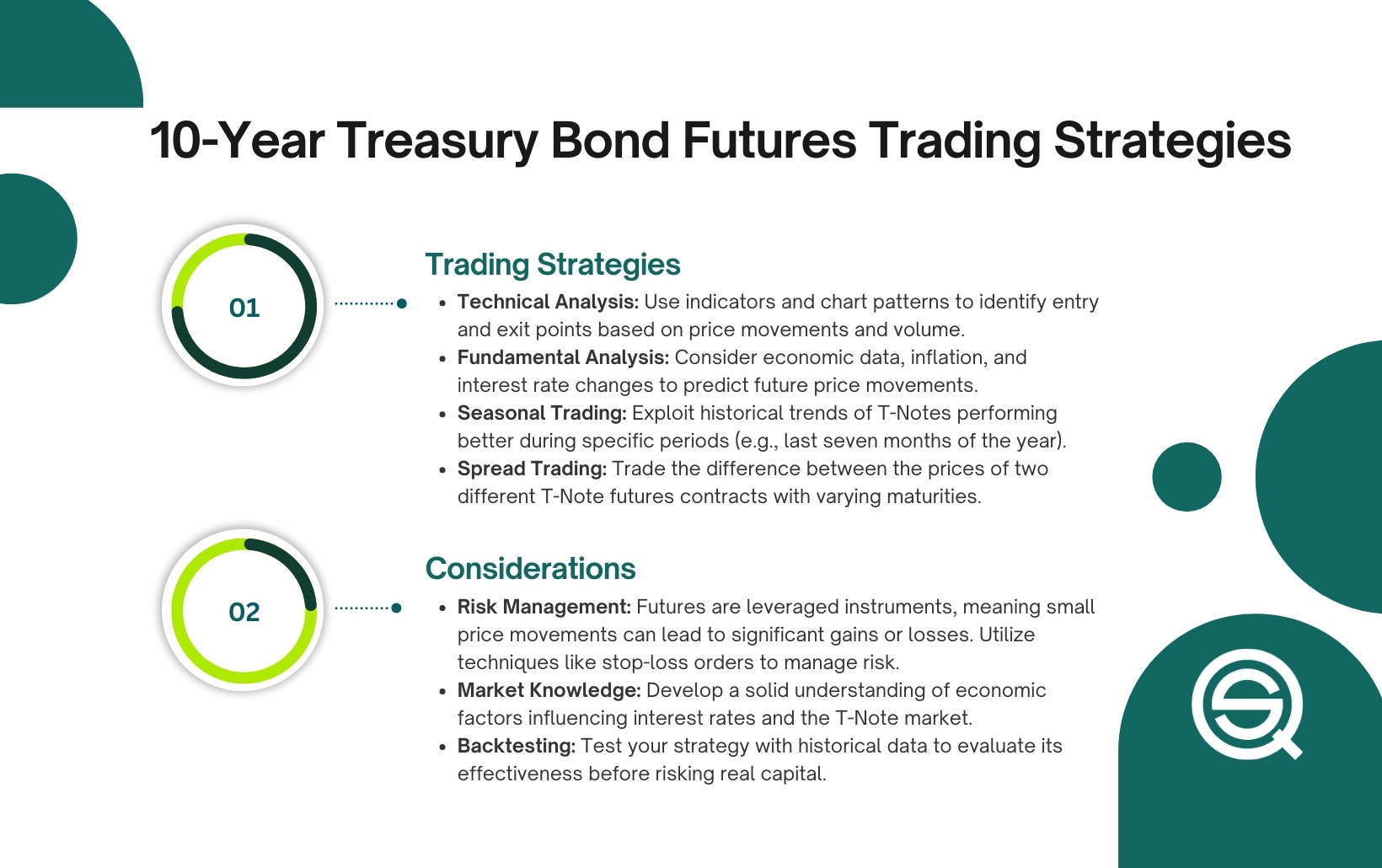
Set explicit percentage bands for each asset class within your Based Treasury Strategy for 2026. For example, allocate 60% to stablecoins for liquidity, 30% to blue-chip crypto assets, and 10% to high-yield DeFi protocols. These bands act as your rebalancing triggers, ensuring discipline during market volatility.
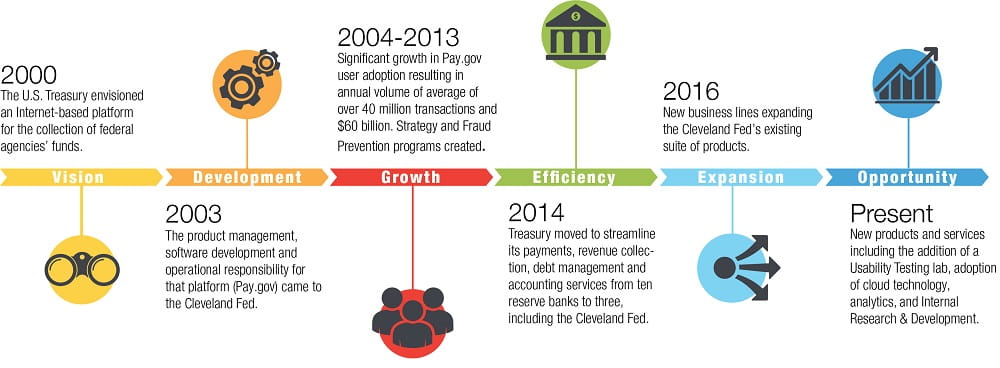
Deploy capital into verified yield-generating protocols. Use automated vaults or lending platforms that offer transparent, audited returns. Ensure that yield collection is automated to compound returns without manual intervention, reducing operational overhead and exposure to human error.
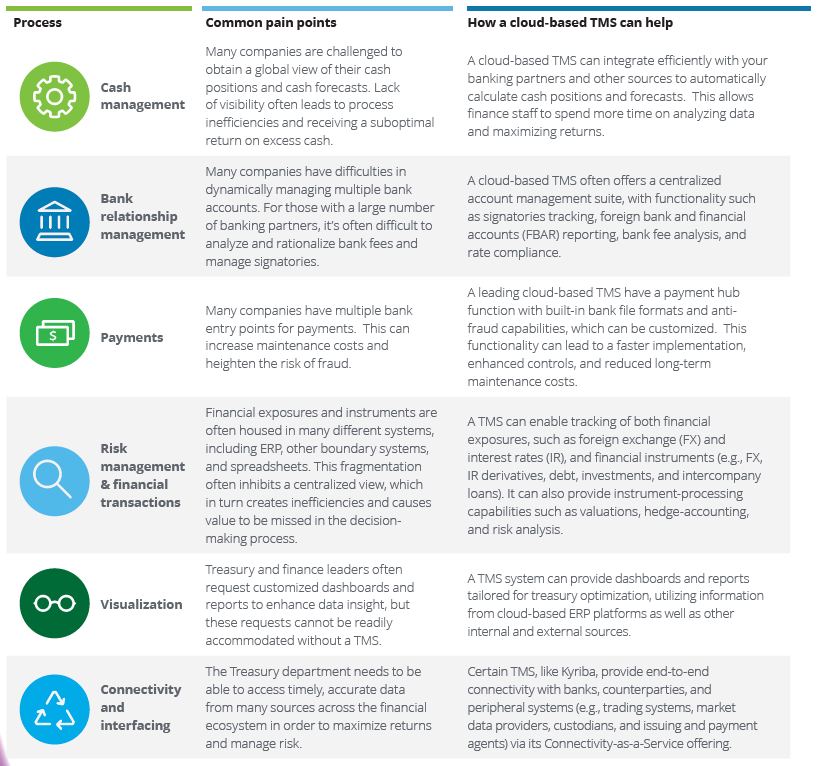
Continuously track your treasury’s liquidity ratios against projected burn rates. When asset values drift outside your defined allocation bands, execute rebalancing trades automatically. This maintains your risk profile and ensures you always have sufficient funds for immediate operational requirements.
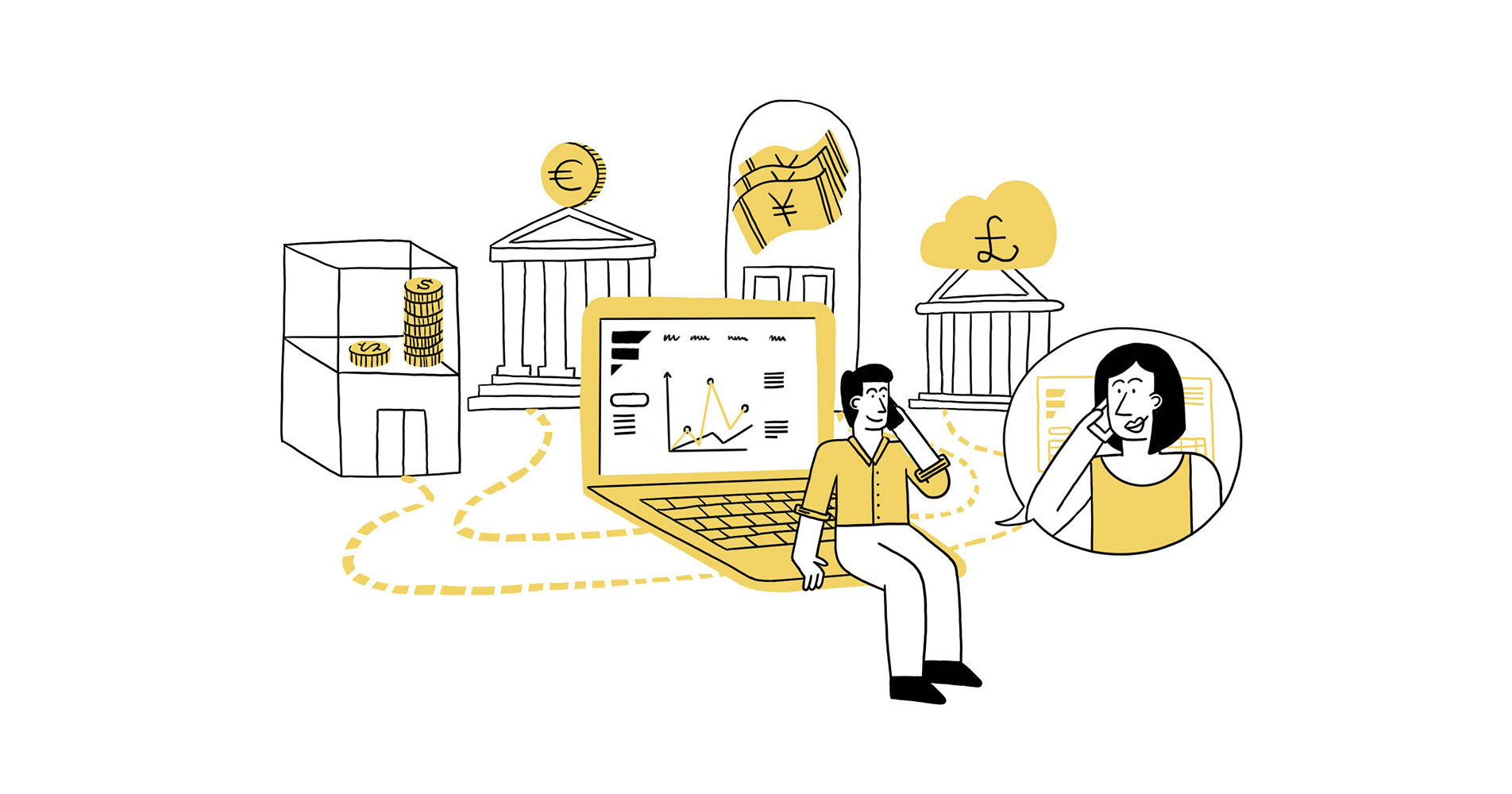
Review your treasury performance and risk exposure every quarter. Assess changes in regulatory landscapes, protocol security, and market conditions. Adjust your allocation bands and yield strategies based on these findings to keep your Based Treasury Strategy for 2026 resilient and compliant.
This workflow transforms treasury management from a reactive administrative task into a proactive growth engine. By automating execution and enforcing strict rebalancing rules, you protect capital while maximizing yield potential in a volatile market environment.
Common treasury management: what to check next
Treasury management strategies are methods organizations use to oversee their cash, investments, and financial risks, ensuring they have enough liquidity to meet obligations (LinkedIn). For public entities, the Government Finance Officers Association (GFOA) recommends that all governments establish and have their governing board adopt an investment policy to standardize these practices (GFOA).
These questions highlight the operational and strategic layers of treasury management, from daily liquidity to long-term investment policies.
Helpful gear
Use these product recommendations as a starting point, then choose the size, material, and price point that fit how you actually use the gear.


As an Amazon Associate, we may earn from qualifying purchases.
No comments yet. Be the first to share your thoughts!